
Cellulose Insulation Versus Spray Foam
Cellulose Insulation Versus Spray Foam
Neither is universally better — they solve different problems. Spray foam delivers the highest R-value per inch (about R-6 to R-7 for closed-cell) and creates a complete air seal, making it the stronger choice for attic roof decks, rim joists, and crawl spaces. Cellulose gives dense, reliable thermal performance (about R-3.2 to R-3.8 per inch) from roughly 90% recycled paper fiber at a more accessible price, making it ideal for attic floors and existing walls. Many homes in Westchester and the New York metro area get the best result using both — spray foam to seal, cellulose to blanket.
How Is Cellulose Insulation Made & What Are The Differences?
Want to learn the differences between cellulose insulation versus spray foam? First, it’s important to understand what Cellulose insulation, and spray foam insulation offers in terms performance, cost, and versatility. Review our comparison below, and contact us to schedule a consultation with our insulation experts.
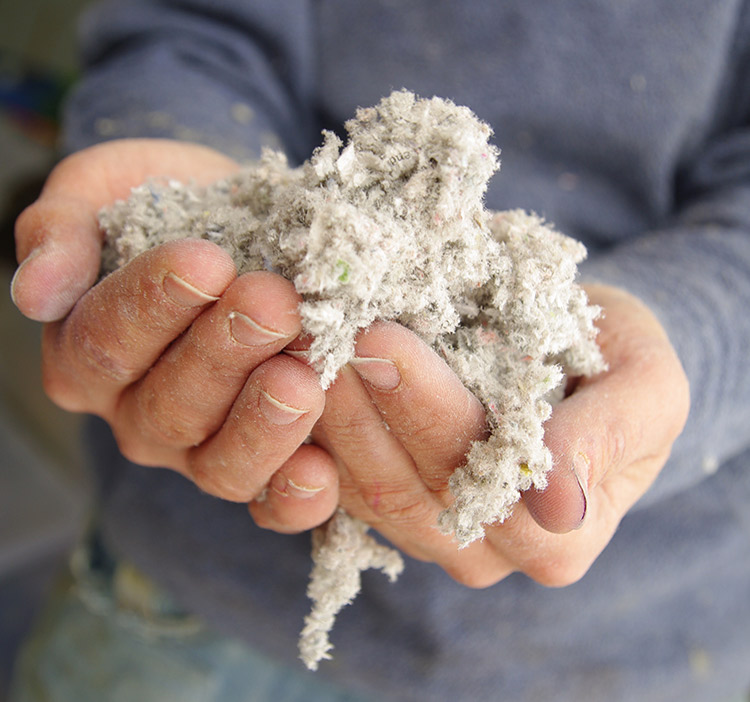
Cellulose Insulation
- Environmentally Friendly – Made from recycled paper products, reducing waste. Low environmental impact, as it doesn’t contain harmful chemicals.
- Cost Effective – Generally more affordable upfront than spray foam insulation. Ideal for budget-conscious homeowners.
- Effective Sound Barrier – Provides good sound proofing qualities, reducing noise transmission. Great for maintaining a quieter indoor environment.
- Insulation Efficiency – Offers good thermal performance, reducing heat loss. Suitable for improving energy efficiency in older homes.
- Easy Installation – Can be installed quickly and efficiently by professionals. Ideal for retro-fitting existing homes with insulation.
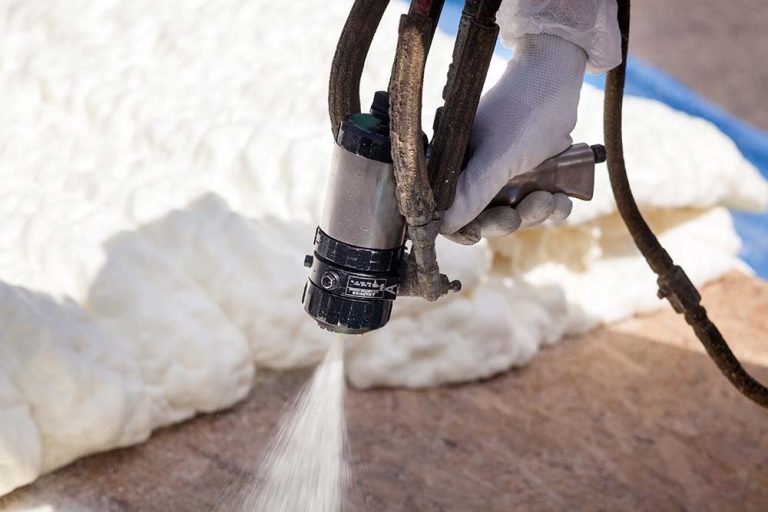
Spray Foam Insulation
- Superior Insulation Value – Has the highest R-value per inch, providing excellent thermal resistance. Creates a highly effective thermal barrier, minimizing energy loss.
- Air Sealing Properties – Acts as an air barrier, preventing drafts and air leakage. Helps maintain a consistent indoor temperature and reduces energy bills.
- Longevity – Lasts longer than blown cellulose insulation with minimal degradation. Reduces the need for future insulation upgrades.
- Versatility – Can be applied to various surfaces, including walls, roofs, and crawlspaces. Ideal for sealing hard-to-reach areas and irregular spaces.
- Improved Indoor Air Quality – Reduces the risk of allergens and pollutants entering the living space. Creates a healthier indoor environment with minimized dust and mold.
- Enhanced Structural Support – Adds some rigidity to walls and roofs, strengthening the structure. May contribute to the overall durability of the building.
Cellulose vs. Spray Foam: Side-by-Side Comparison
| Factor | Spray Foam | Cellulose |
|---|---|---|
| R-value per inch | ~R-6 to R-7 closed-cell; ~R-3.5 open-cell | ~R-3.2 to R-3.8 |
| Air sealing | Complete — expands to seal every gap | Good (dense-pack); not a full air seal |
| Moisture control | Closed-cell resists moisture & humidity | Manages some moisture; not a vapor barrier |
| Best applications | Attic roof deck, rim joists, crawl spaces, irregular areas | Attic floors, existing walls, large flat areas |
| Relative cost | Higher upfront investment | More budget-friendly |
| Eco profile | High performance; less recycled content | ~90% recycled paper fiber, Class A fire rating |
Not sure which your home needs? A home energy assessment pinpoints where heat and air are actually moving, and New York homeowners may qualify for NYSERDA insulation incentives that offset the cost.
We Educate The Differences of Cellulose Insulation Versus Spray Foam In Person
Our insulation experts are experienced and knowledgeable in all aspects of insulation. We consult with all our clients to educate and select a insulation solution that offers the best value, energy efficiency and comfort for their family. Our expert home energy audits locate the best areas of opportunity to improve efficiency and lower you energy costs. Contact us today to schedule an assessment with our insulation experts in Westchester or New Jersey.
Related reading: Which insulation keeps your home cooler in summer — spray foam or cellulose?