Attic Insulation Contractor Serving Westchester & North Jersey
Most attics we open in this region are sitting at R-19 to R-30 — roughly half of what the Department of Energy recommends for our climate. That gap is what you feel as a freezing second floor in January and an unusable one in July.
We air seal first, then blow in dense cellulose to R-49 or better, and document the result. BPI accredited, NYSERDA participating, family run since 2005.
DOE target for our zone
R-49 to R-60
Quick Answer
Attic insulation slows heat moving between your living space and the attic. The U.S. Department of Energy recommends R-49 to R-60 for attics in the climate zones covering Westchester County and northern New Jersey — roughly 14 to 18 inches of settled blown-in cellulose. Most existing homes in this region measure R-19 to R-30.
Upgrading an under-insulated attic, with air sealing done first, typically costs $2,000 to $4,000 for a 1,000–1,500 sq ft attic and is the single highest-return efficiency improvement available to most homeowners here.
Know What You Are Looking At
How to Tell If Your Attic Insulation Needs Replacing
Insulation does not expire — it stops performing. Here is what we look for on every inspection, and what you can check yourself from the attic hatch.
You Can See the Joists
If insulation sits level with or below the ceiling joists, you are at roughly R-19 or less. R-49 means the joists should be buried under about a foot of additional material.
Gray or Dark Staining
Dirty streaks across the surface mean air is being pulled through the insulation, which is filtering your household dust. That is an air sealing failure, not an insulation failure — and adding more on top will not fix it.
Matted or Settled Material
Cellulose settles 15–20% over its life and fiberglass batts sag away from the framing. Compressed insulation loses R-value proportionally — squashed R-30 performs closer to R-20.
Rodent Tunnels or Droppings
Contaminated insulation is a removal job, not a top-up job. Tunneling also destroys the material's air-blocking ability long before you can see damage from the hatch.
Damp, Crusted, or Stained Spots
Wet insulation loses nearly all of its R-value and does not recover. Look under roof penetrations, around bath fans, and along the eaves after a heavy rain or snowmelt.
Ice Dams and Uneven Rooms
Ice dams form when attic heat melts snow that refreezes at the cold eave. Paired with a second floor that never matches the thermostat, it is a reliable sign of heat escaping upward. See our ice dam guide.
Straight Numbers
How Much Does Attic Insulation Cost?
Typical installed ranges for the Westchester and northern New Jersey market. Every attic is different — these are the numbers we see most often, not a quote.
| Scope of work | Typical installed cost | What drives the range |
|---|---|---|
| Top up existing insulation Blown-in cellulose over sound existing material | $1.50–$2.50 / sq ft | Attic square footage, target R-value, access and walkability |
| Air sealing before insulating Top plates, chases, penetrations, hatch | $1,200–$3,000 | Number of bypasses, recessed lights, chimney chases |
| Removal of failed insulation Vacuum-out and disposal | $1.00–$2.00 / sq ft | Depth of existing material, rodent contamination, attic access |
| Full attic package Air seal + insulate to R-49/R-60, 1,000–1,500 sq ft | $3,500–$6,500 | The most common project we run in this region |
| Spray foam at the roof deck For conditioned attics and finished spaces | $4.00–$7.00 / sq ft | Open vs closed cell, thickness, ventilation strategy |
NYSERDA can cover a large share
New York homeowners can receive up to $3,000 through NYSERDA when the work is done by a participating contractor. That comes off the numbers above.
Payback is usually 3 to 7 years
Attic work returns more per dollar than windows or a new furnace in almost every home we assess, because it is the largest uncontrolled heat path in the building.
You get a written scope, not a ballpark
Your assessment produces a documented scope of work with exact pricing before anything is ordered or scheduled.
Choosing a Material
Which Attic Insulation Is Best:
Cellulose, Fiberglass, or Spray Foam?
For a standard vented attic floor in our climate, dense blown-in cellulose wins on almost every axis that matters. Here is the honest comparison.
| Blown-In Cellulose | Fiberglass | Spray Foam | |
|---|---|---|---|
| R-value per inch | R-3.5 to R-3.8 | R-2.2 to R-2.7 | R-3.6 open cell / R-6.5 closed cell |
| Fills irregular framing | Excellent — flows around wiring and bracing | Poor with batts, fair blown | Excellent |
| Resists air movement | Very good at density | Poor — air passes through it | Air barrier by itself |
| Made from | ~85% recycled paper, borate treated | Spun glass fiber | Two-part polyurethane chemistry |
| Fire & pest treatment | Borate — also deters rodents and insects | Non-combustible, no pest deterrent | Requires a thermal or ignition barrier |
| Best used for | Attic floors — the default choice here | Budget top-ups, accessible flat runs | Roof decks, conditioned attics, kneewalls |
| Relative cost | Moderate | Lowest | Highest |
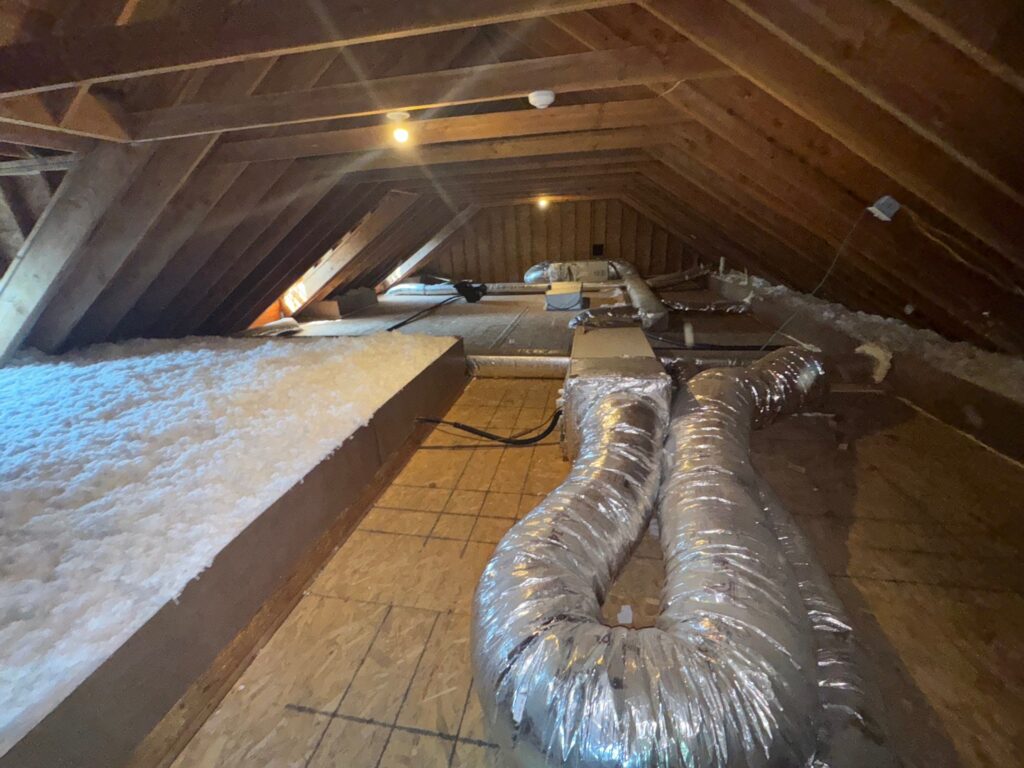
The real decision is not the material — it is which surface you insulate. If the attic is unfinished storage, insulate the floor with cellulose. If there is ductwork, an air handler, or finished living space up there, the roof deck needs to be insulated and the attic brought inside the thermal envelope. That is when spray foam is the right call. Read our full cellulose vs. spray foam comparison.
Our Process
From Assessment to Verified R-Value in Five Steps
Energy Assessment & Attic Inspection
We measure existing depth and R-value, check for moisture, rodents, and contamination, inspect ventilation and soffit clearance, and use thermal imaging to find where heat is actually escaping.
Written Scope of Work
You get a documented plan with the target R-value, the material, exact pricing, and your NYSERDA eligibility if you are in New York. Nothing is ordered before you approve it.
Removal, If It Is Warranted
Wet, matted, or rodent-contaminated material is vacuumed out and bagged at the source. We test suspected vermiculite before touching it. Sound insulation stays — we do not remove material that is still working.
Air Seal, Then Insulate
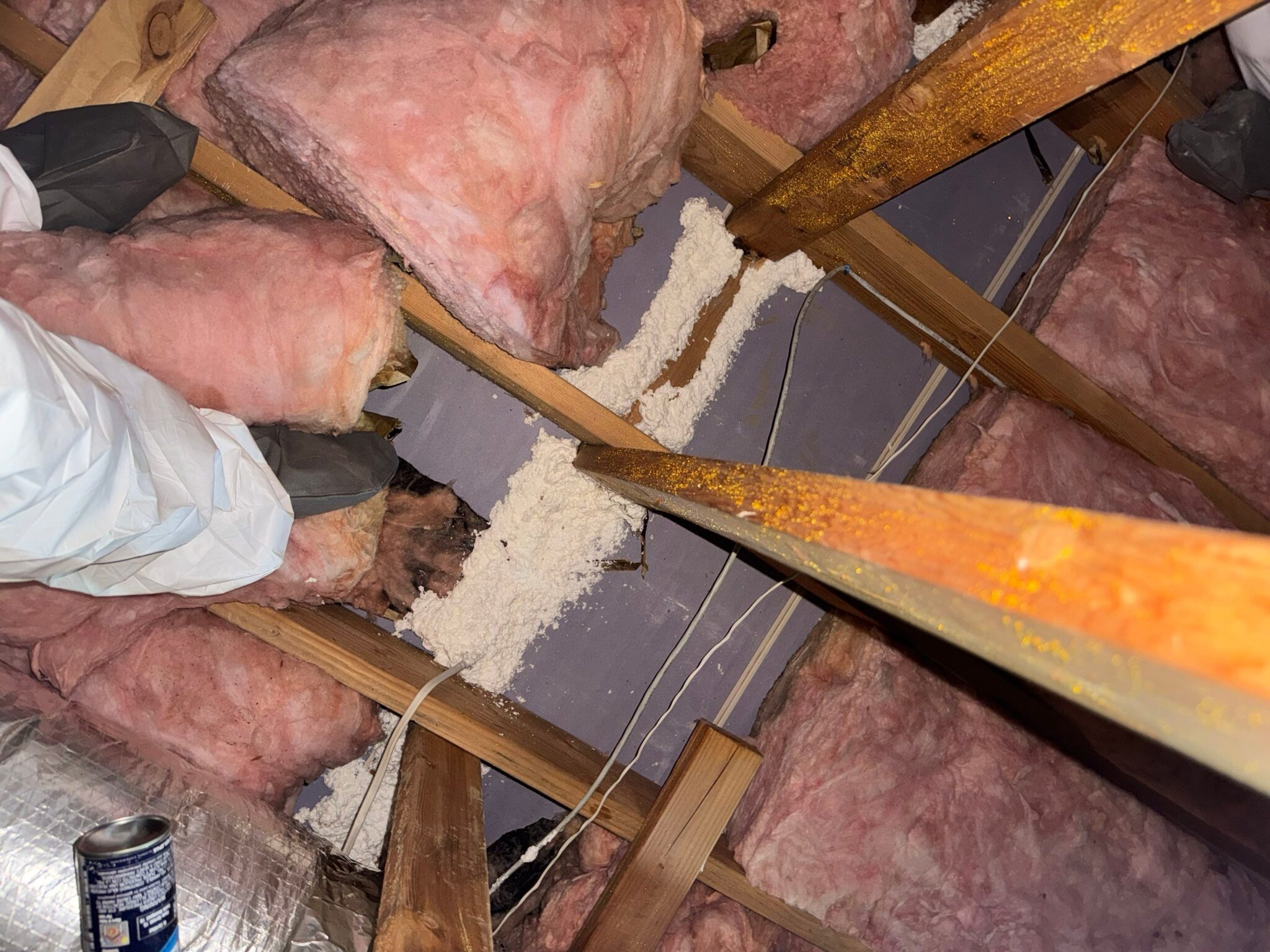
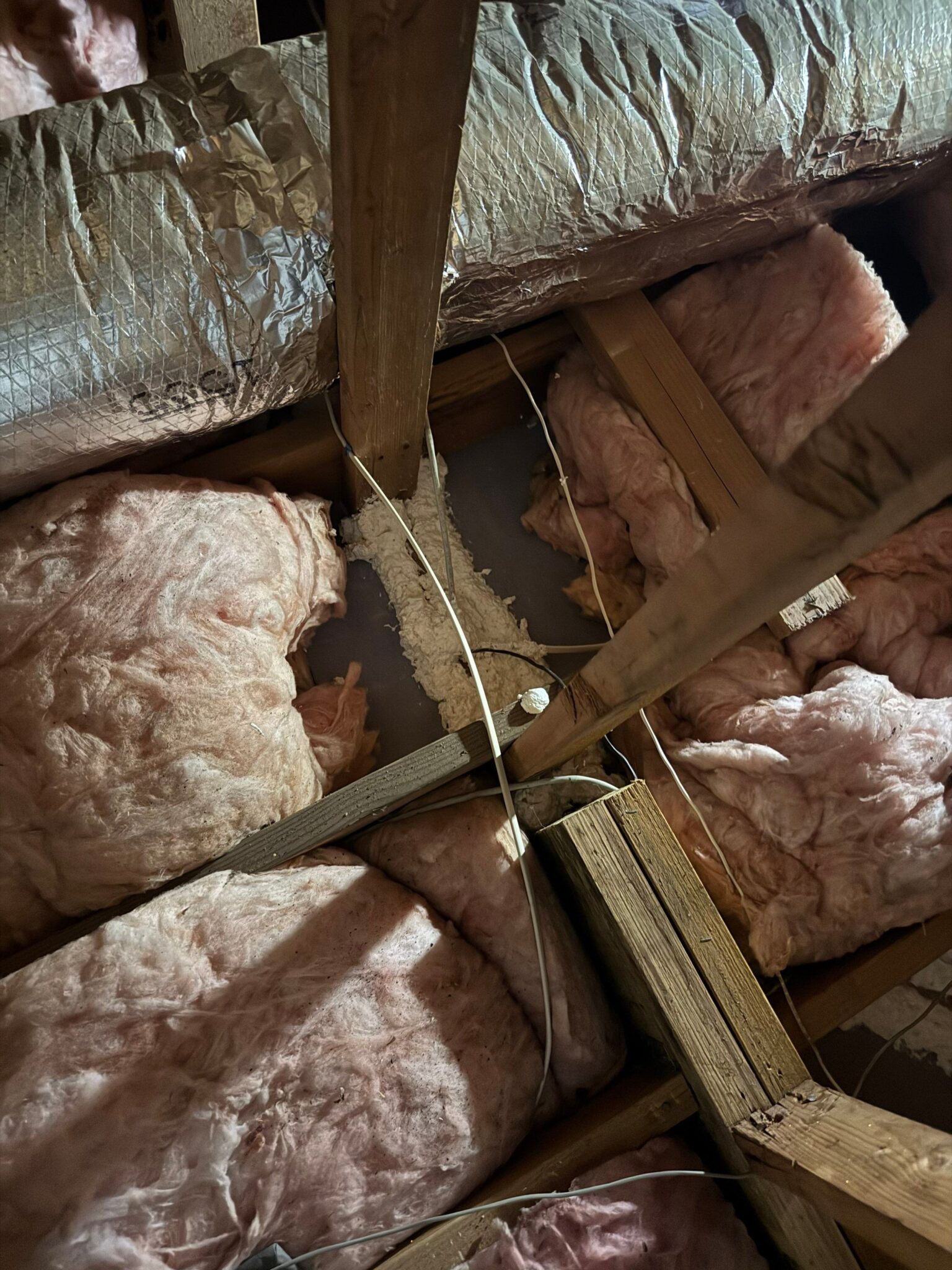
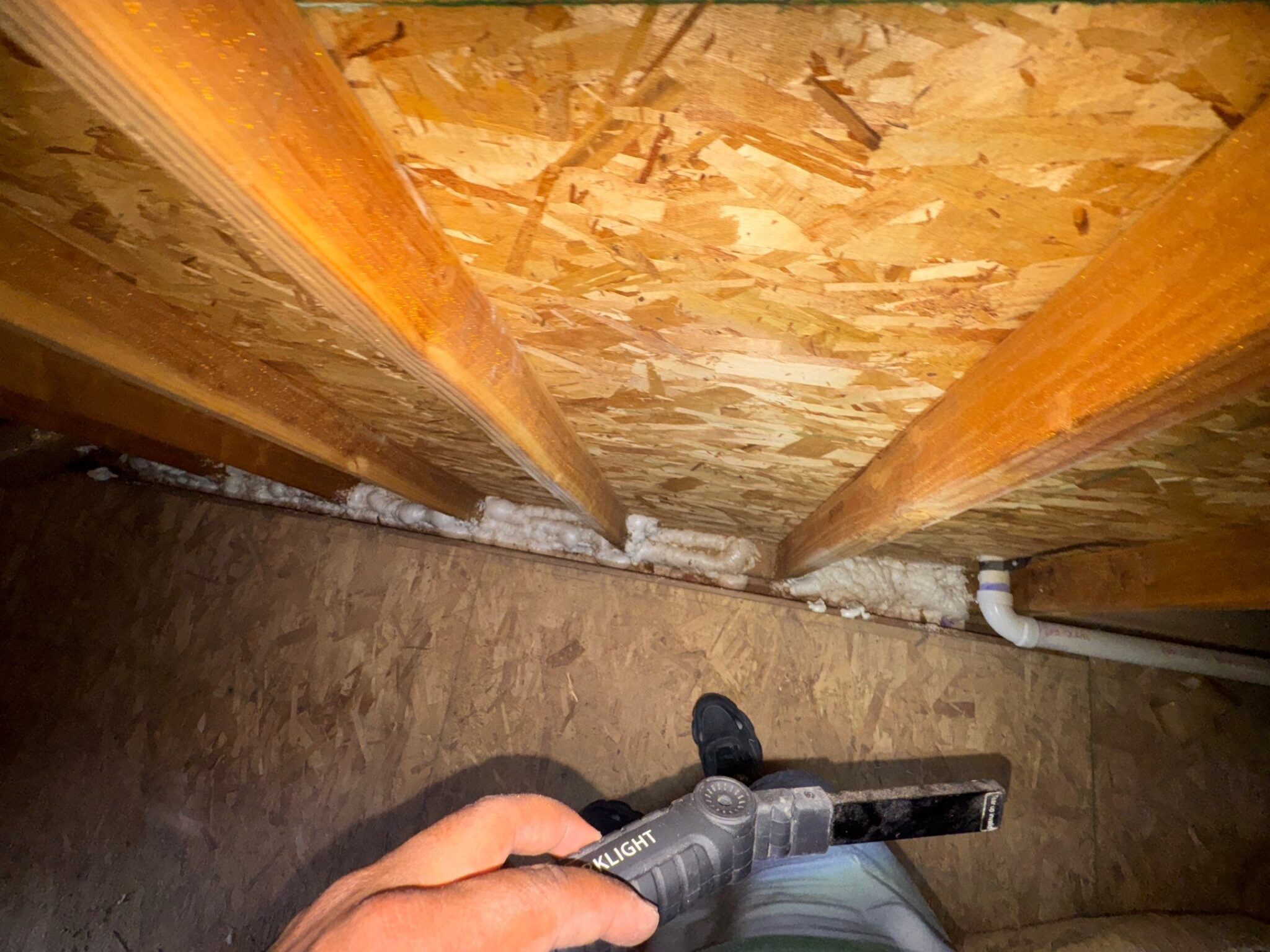
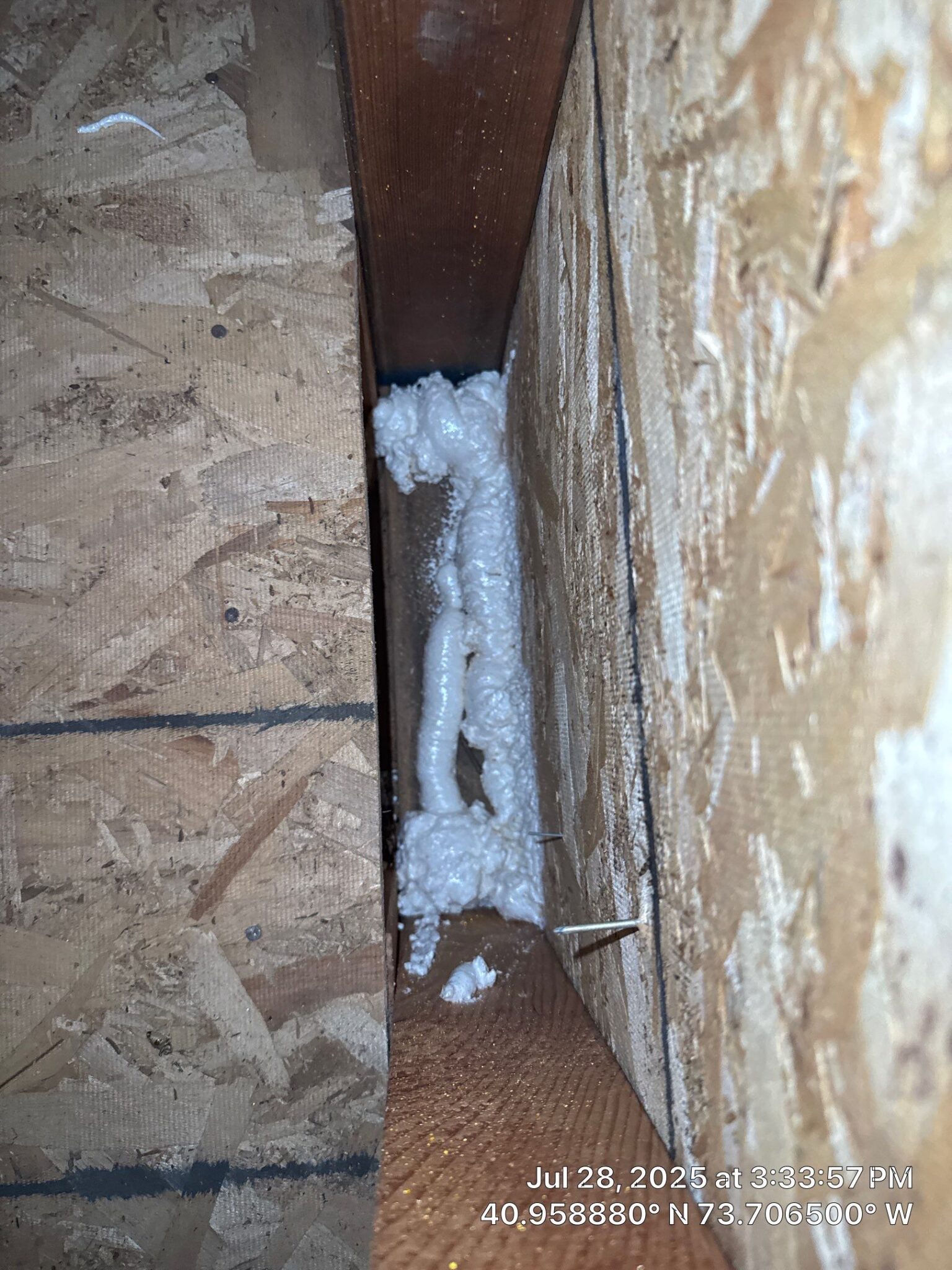
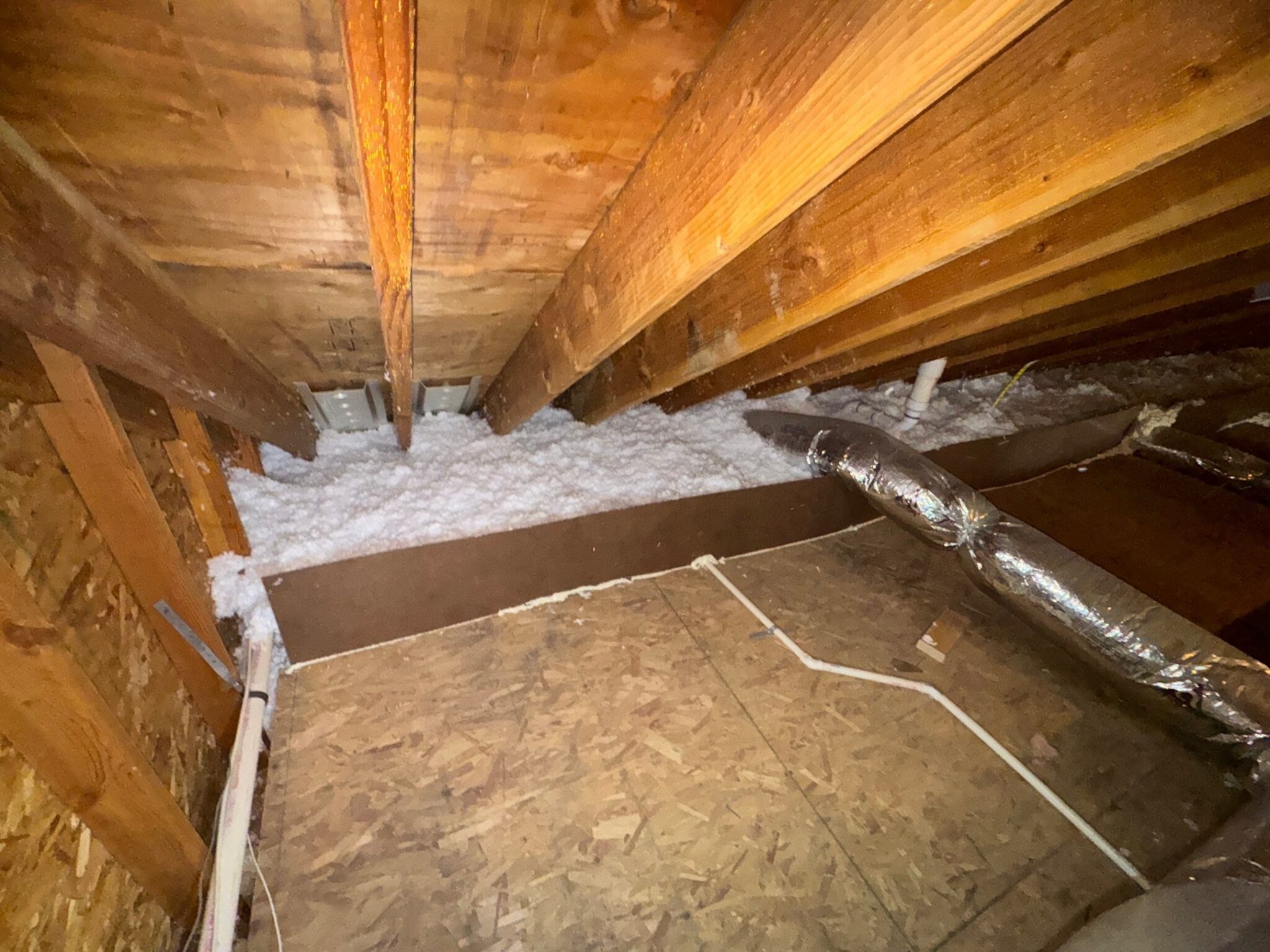
Every bypass gets sealed first — top plates, plumbing chases, wire penetrations, chimney chases, and the attic hatch. Then baffles go in at the eaves and cellulose is blown to the target depth.
Depth Markers & Documentation
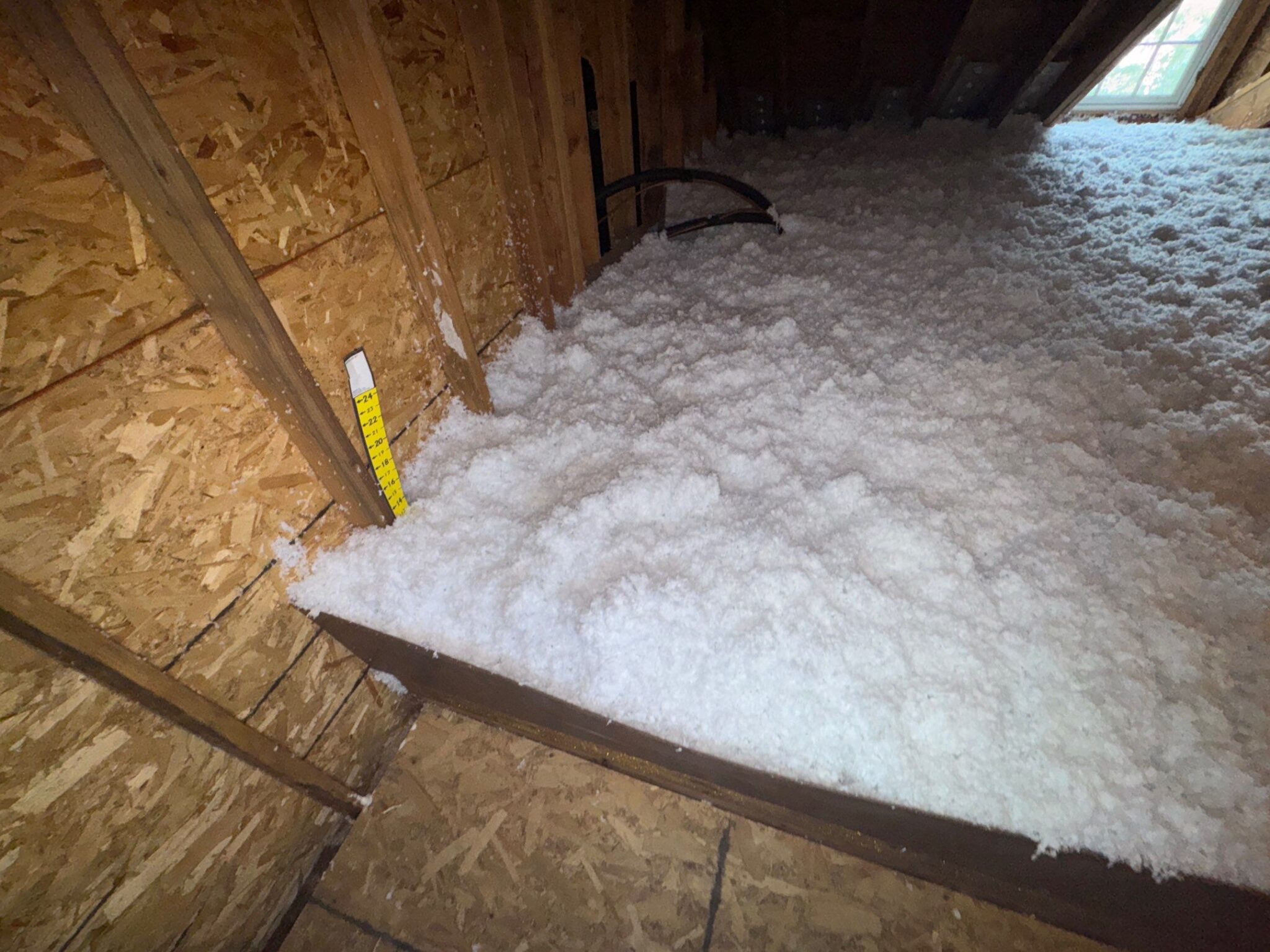
Measurement sticks are installed so the depth is verifiable years from now, the site is cleaned, and you receive documentation of the installed R-value plus your rebate paperwork.
From Our Trucks
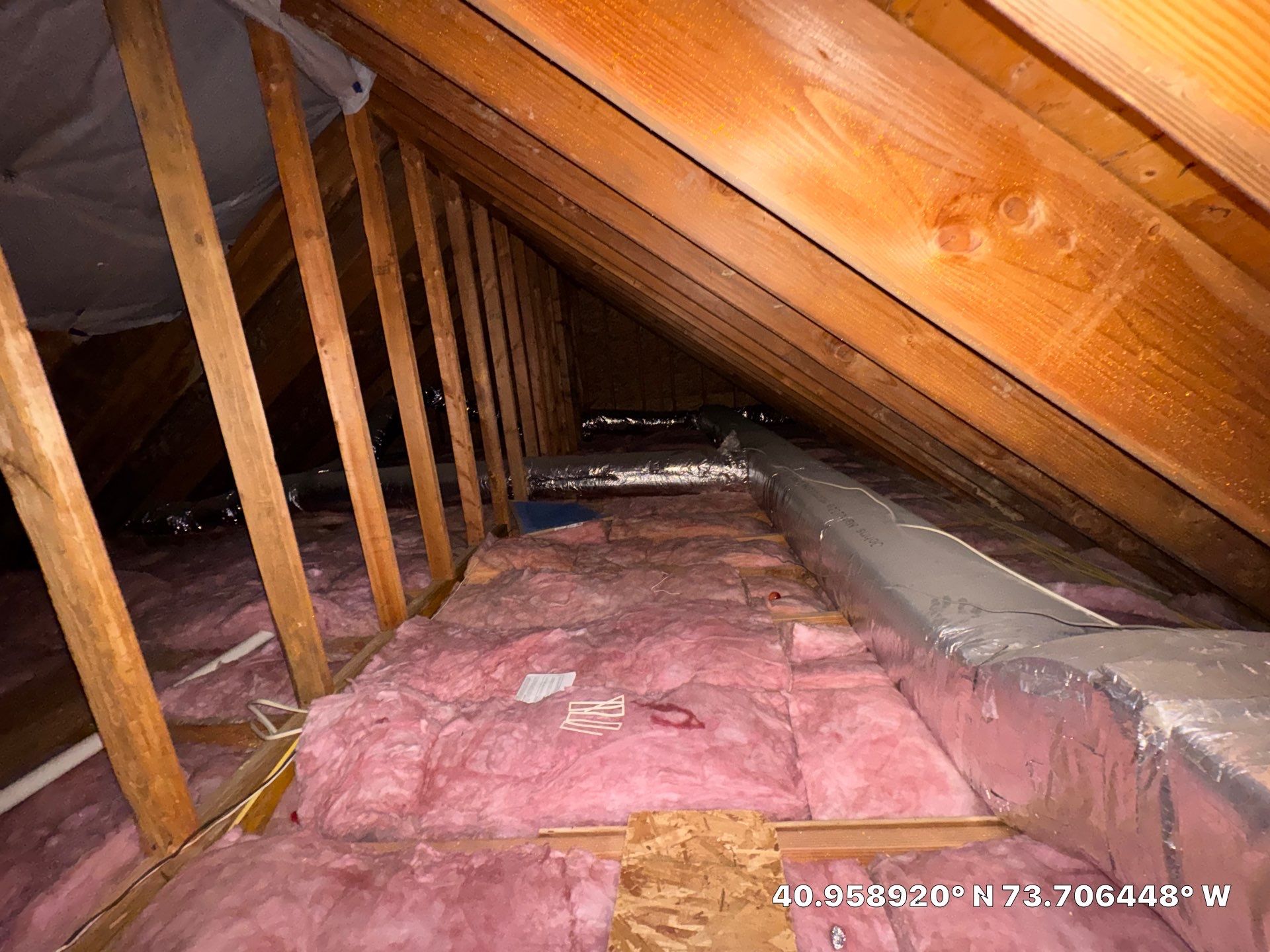
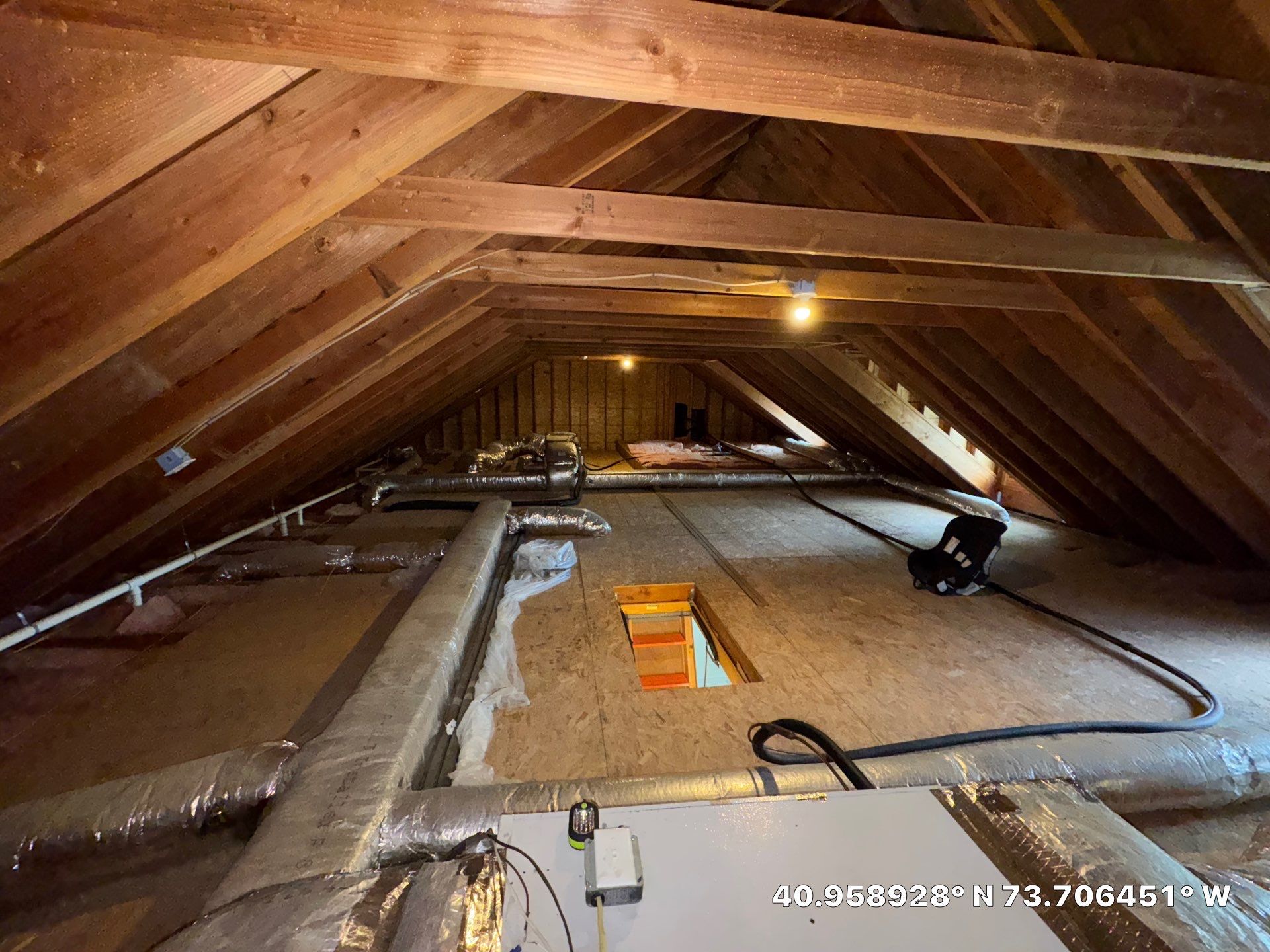
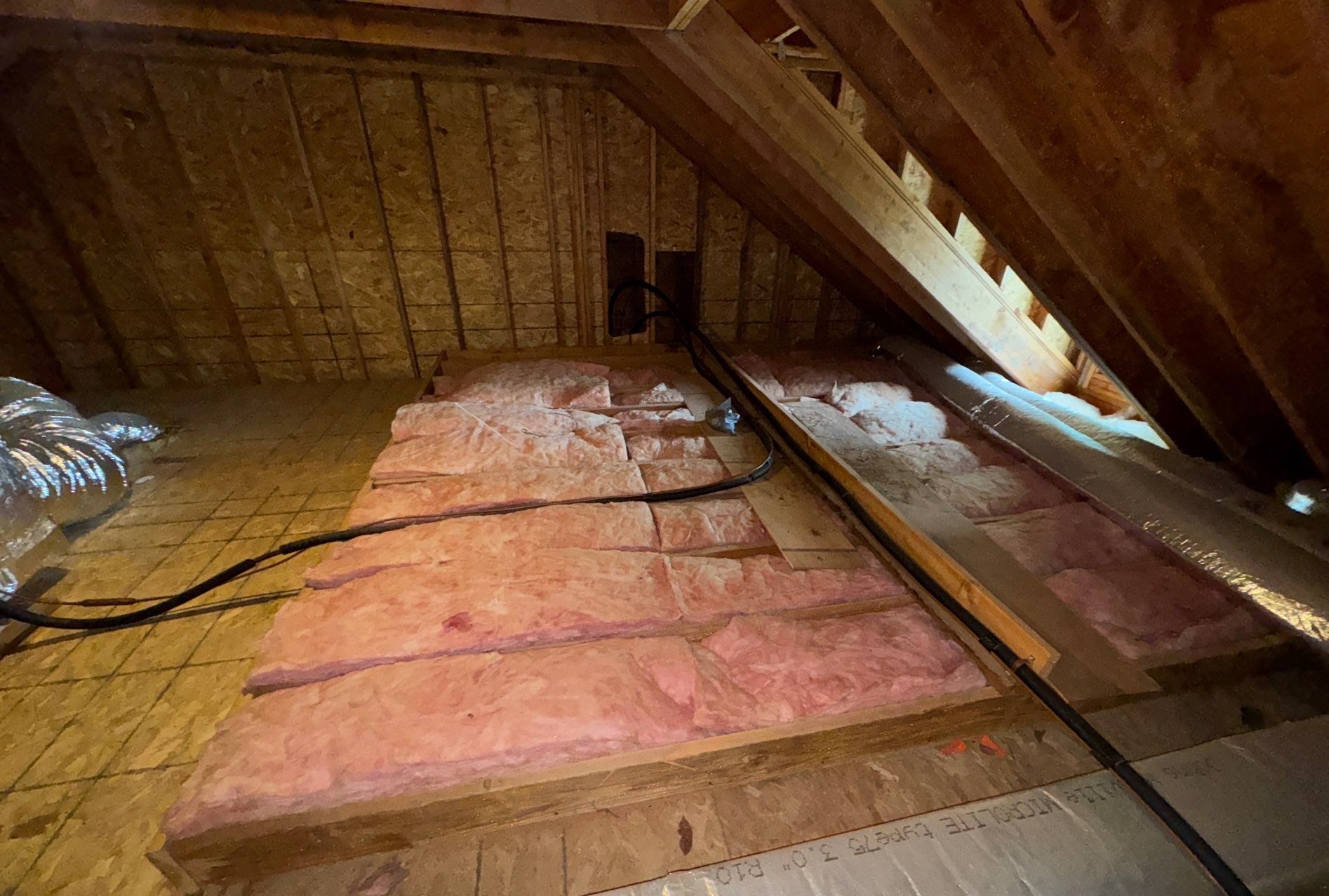
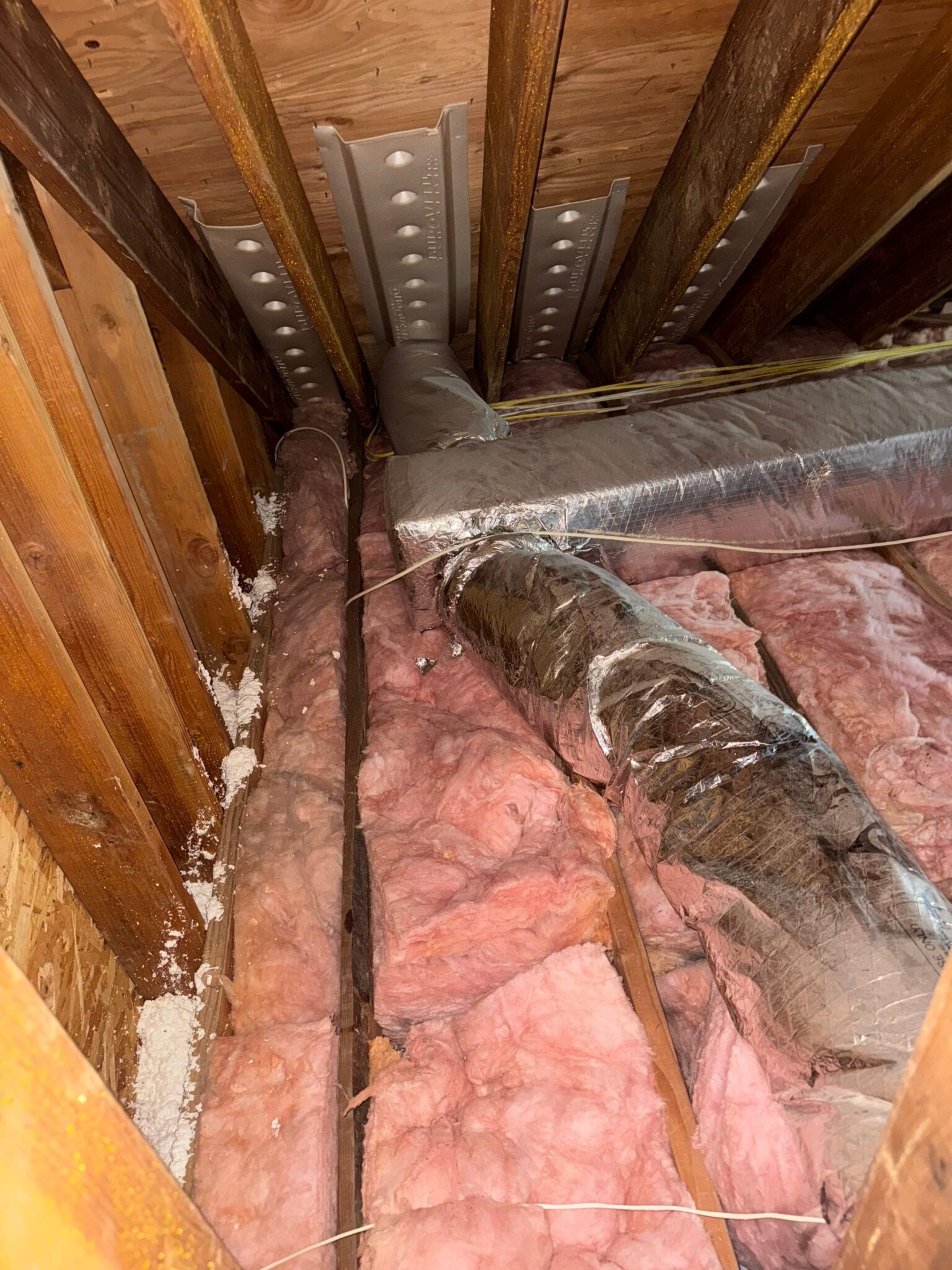
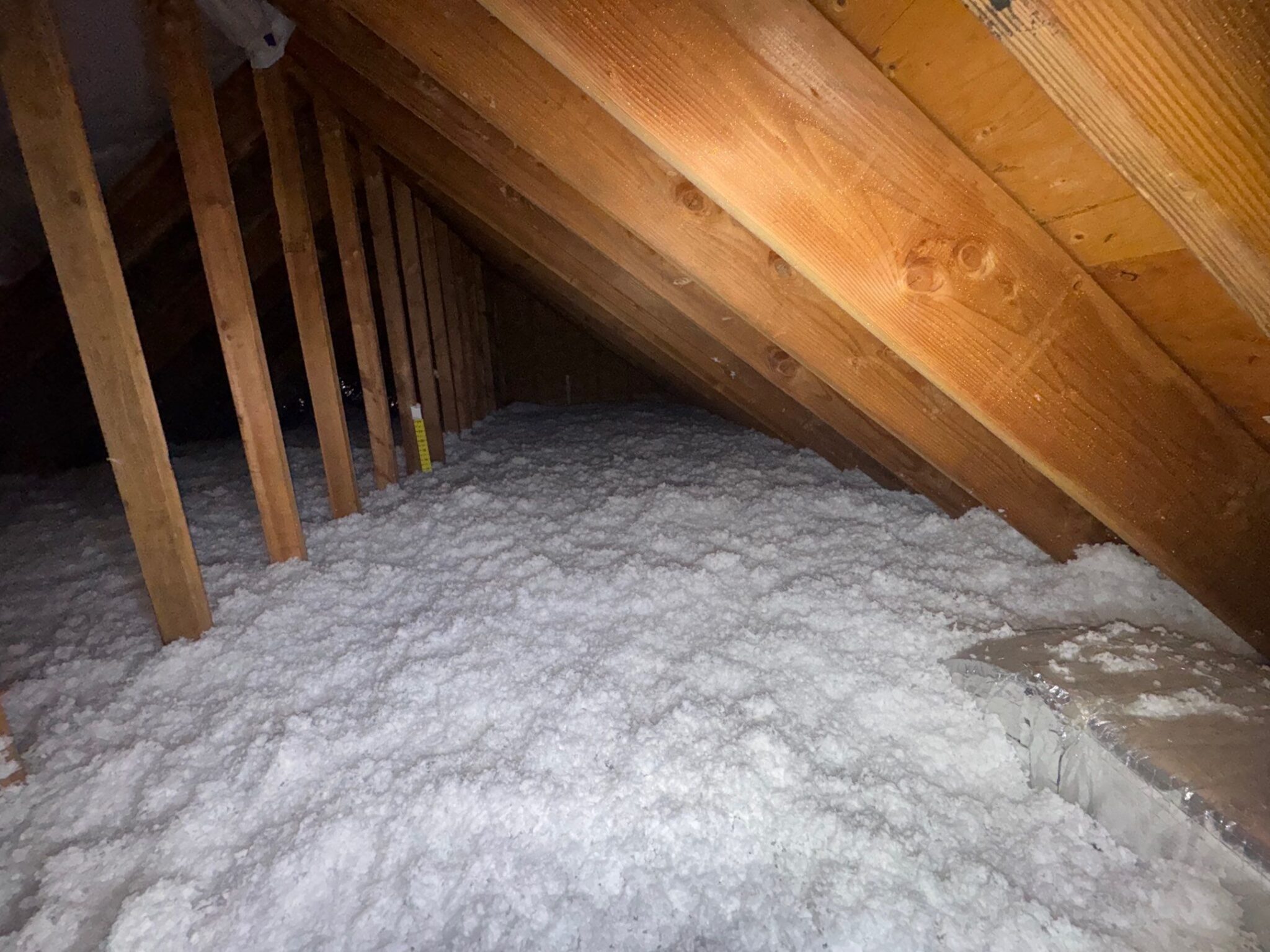
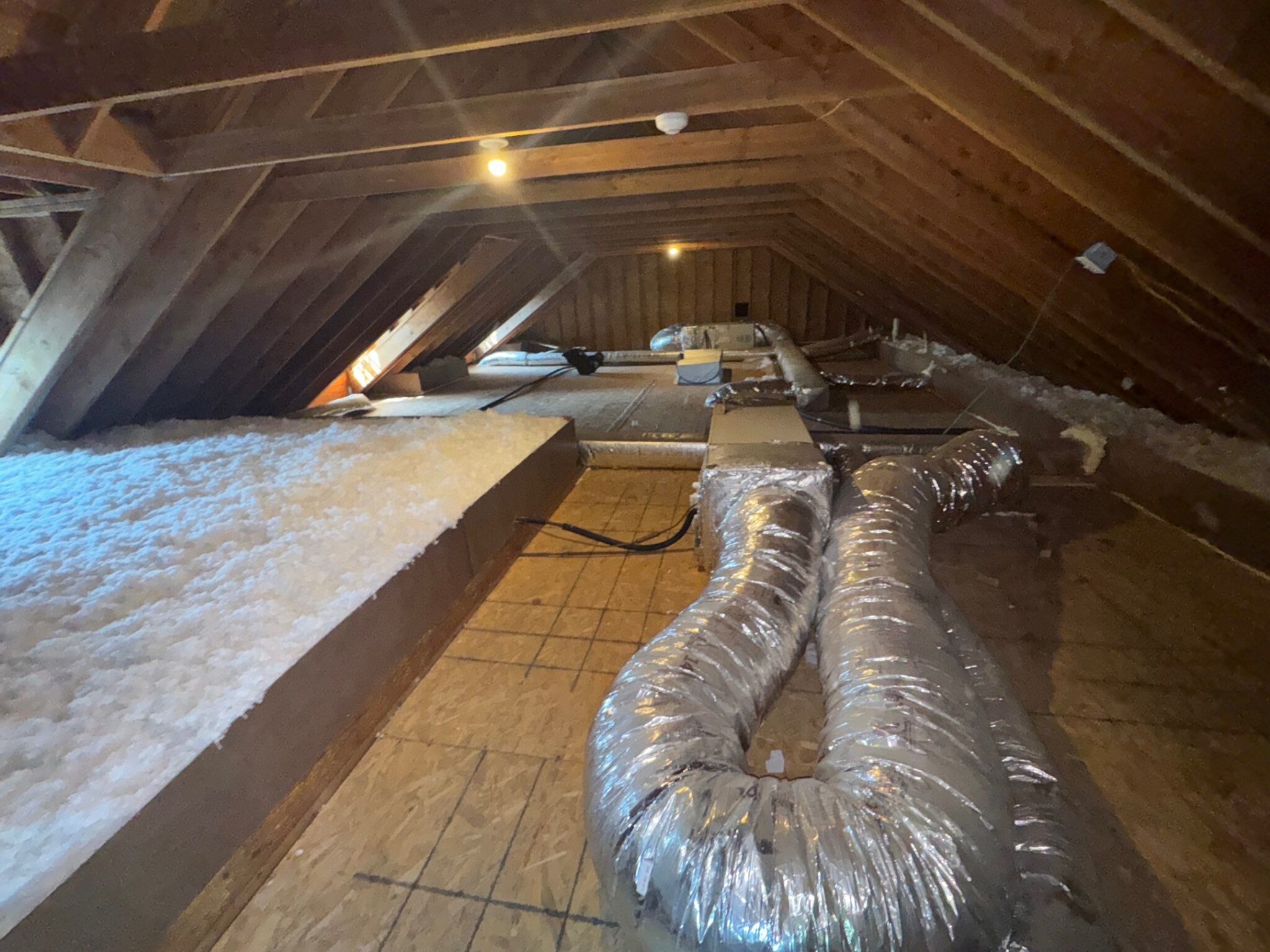
Real Attic Insulation Projects
A Local Attic Insulation Contractor — Not a Franchise
Metro NY Insulation has been woman owned and family run since 2005. The same people who assess your attic are the people who stand behind the work. We know the housing stock in these counties — the 1920s Westchester colonials with balloon framing, the post-war capes with kneewalls, the split-levels with the air handler stranded in the attic.
We are BPI accredited and a NYSERDA participating contractor, which means our work is held to a measured standard and New York homeowners can access state incentives through us directly.
BPI
Accredited contractor, work held to a measured standard
NYSERDA
Participating contractor — we file the paperwork for you
Family Run
Woman owned and operated since 2005
Verified
Thermal imaging and documented installed R-value
Bring the Cost Down
Attic Insulation Rebates & Tax Credits
Two separate programs, and they stack. Most homeowners leave both on the table because the paperwork looks worse than it is — we handle the state side for you.
NYSERDA — up to $3,000
New York homeowners working with a participating contractor can receive up to $3,000 toward qualifying insulation and air sealing. New York only. We are a participating contractor and file on your behalf. See NY program details.
Westchester Bonus — up to $5,000
Westchester homeowners add $2,000 as Con Edison customers, or $1,000 on other utilities, on top of Comfort Home — up to $5,000 combined. Available through December 31, 2026.
New Jersey Homeowners
NYSERDA incentives do not apply in New Jersey. NJ homeowners go through Home Performance with ENERGY STAR instead, which has its own incentive structure. We will tell you which track you are on during the assessment.
Complete the Picture
The Attic Is One Piece of the System
Attic Air Sealing
The step that has to come first. Sealing bypasses before insulating is what makes the R-value you paid for actually perform.
layersCellulose Insulation
Why dense-pack recycled cellulose is our default material for attic floors and exterior walls in this climate.
format_paintSpray Foam Insulation
For roof decks, conditioned attics, and kneewalls — where the attic needs to come inside the thermal envelope.
energy_savings_leafHome Energy Audits
Blower door testing and thermal imaging that shows exactly where your home is losing energy, attic included.
foundationCrawl Space Encapsulation
Air moves in at the bottom of the house and out at the top. Sealing the attic without addressing the crawl space only solves half the stack effect.
savingsNY Insulation Programs
What NYSERDA covers, who qualifies, and how the incentive is applied to your project. New York homeowners only.
Frequently Asked Questions
How much does attic insulation cost?add
How much attic insulation do I need?add
How long does attic insulation last?add
Which is better for an attic, cellulose or fiberglass?add
Do I need to air seal before adding attic insulation?add
Are there rebates for attic insulation in New York?add
Is attic insulation tax deductible?add
Does attic insulation help in the summer?add
How do I know if my attic insulation is bad?add
Can attic insulation contain asbestos?add
Find Out What Your Attic Is Actually Costing You
Request an energy assessment. We measure the existing R-value, find where the air is escaping, and give you a written scope of work with exact pricing and your rebate eligibility.