Cellulose Insulation Contractor for Westchester & North Jersey
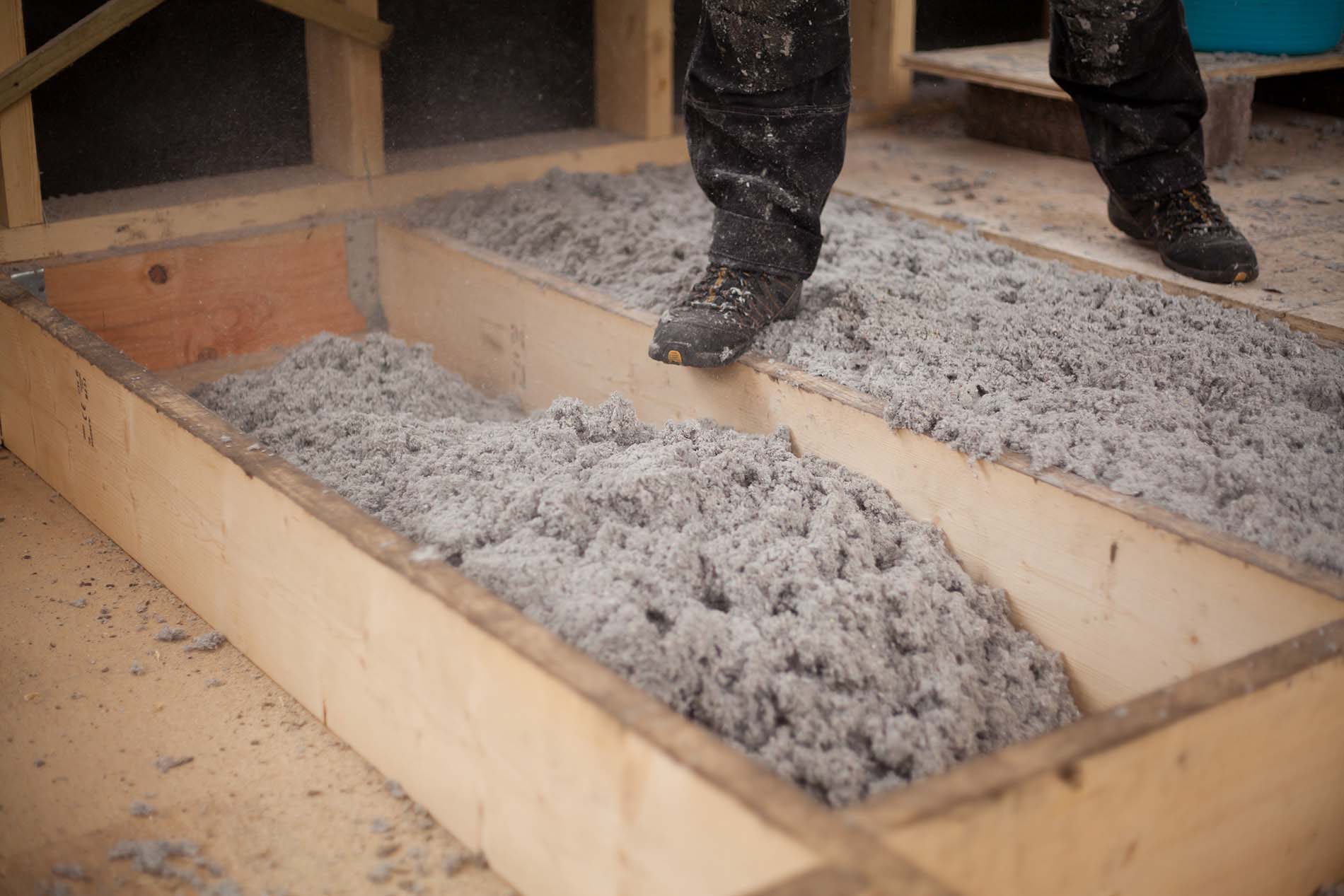
Cellulose is what we reach for first in the older homes across this region — because it flows around a hundred years of odd framing, wiring and bracing without leaving the gaps that batts leave behind.
Blown into attics to R-49 or better. Dense-packed into walls without opening them. BPI accredited, NYSERDA participating, family run since 2005.
R-value per inch
R-3.5 to R-3.8
Quick Answer
Cellulose insulation is recycled paper fiber treated with borate, blown into attics, walls and floors. It delivers R-3.5 to R-3.8 per inch — noticeably more than blown fiberglass at R-2.2 to R-2.7 — carries a Class A fire rating, and the borate makes it resistant to fire, mold and insects. In the Westchester and northern New Jersey market, blowing an accessible attic typically runs $1.50–$2.50 per square foot installed, and New York homeowners can receive up to $3,000 through NYSERDA.
Where It Goes
What We Install Cellulose For
Four jobs make up almost everything we do with cellulose in this region.
Blown-In Attic Insulation
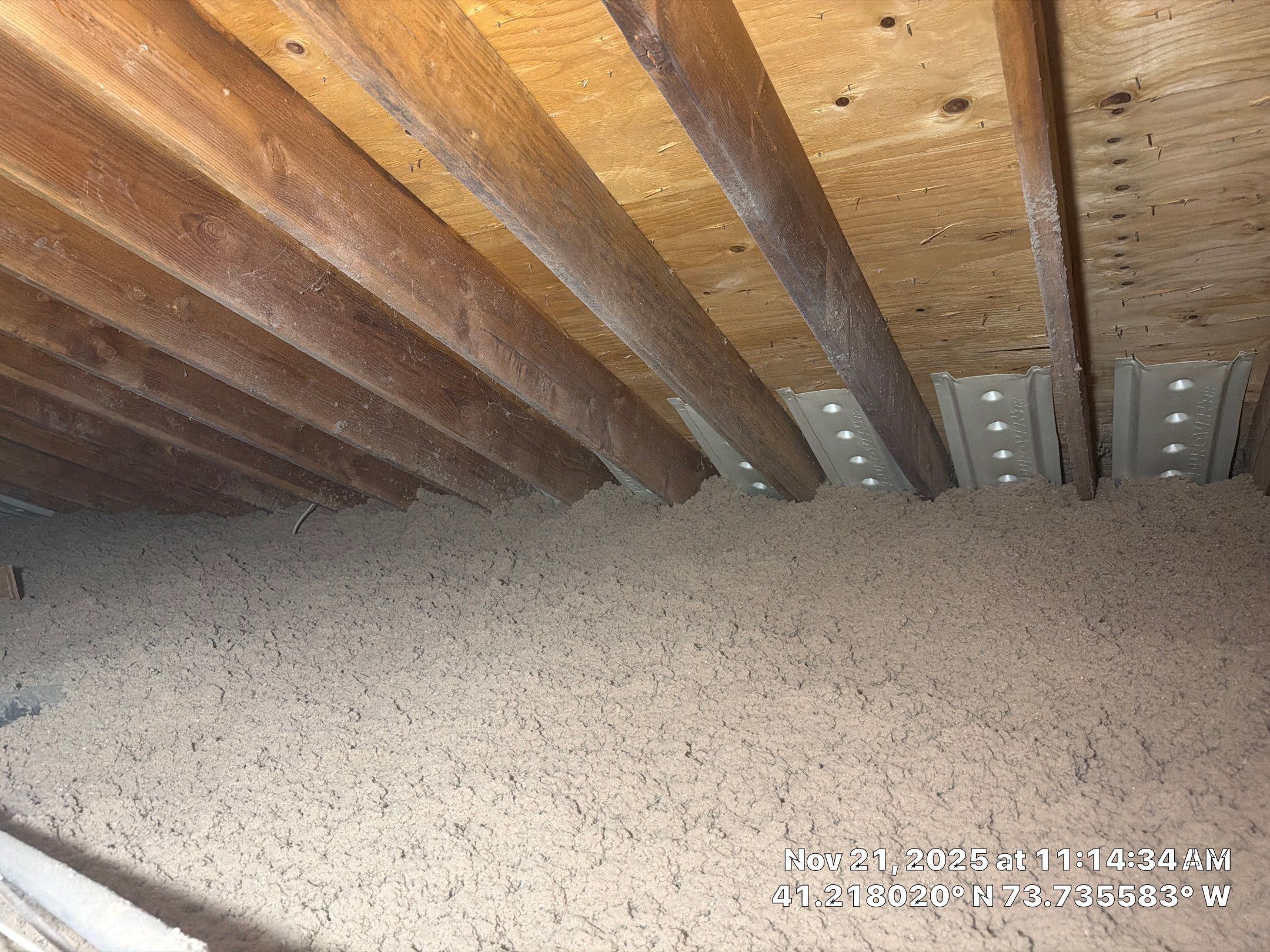
The most common job. We air seal the attic floor first, install baffles at the eaves, then blow cellulose to a settled depth that holds R-49 or better. Depth markers go in so it stays verifiable. See attic insulation.
Dense-Pack Walls — No Demolition
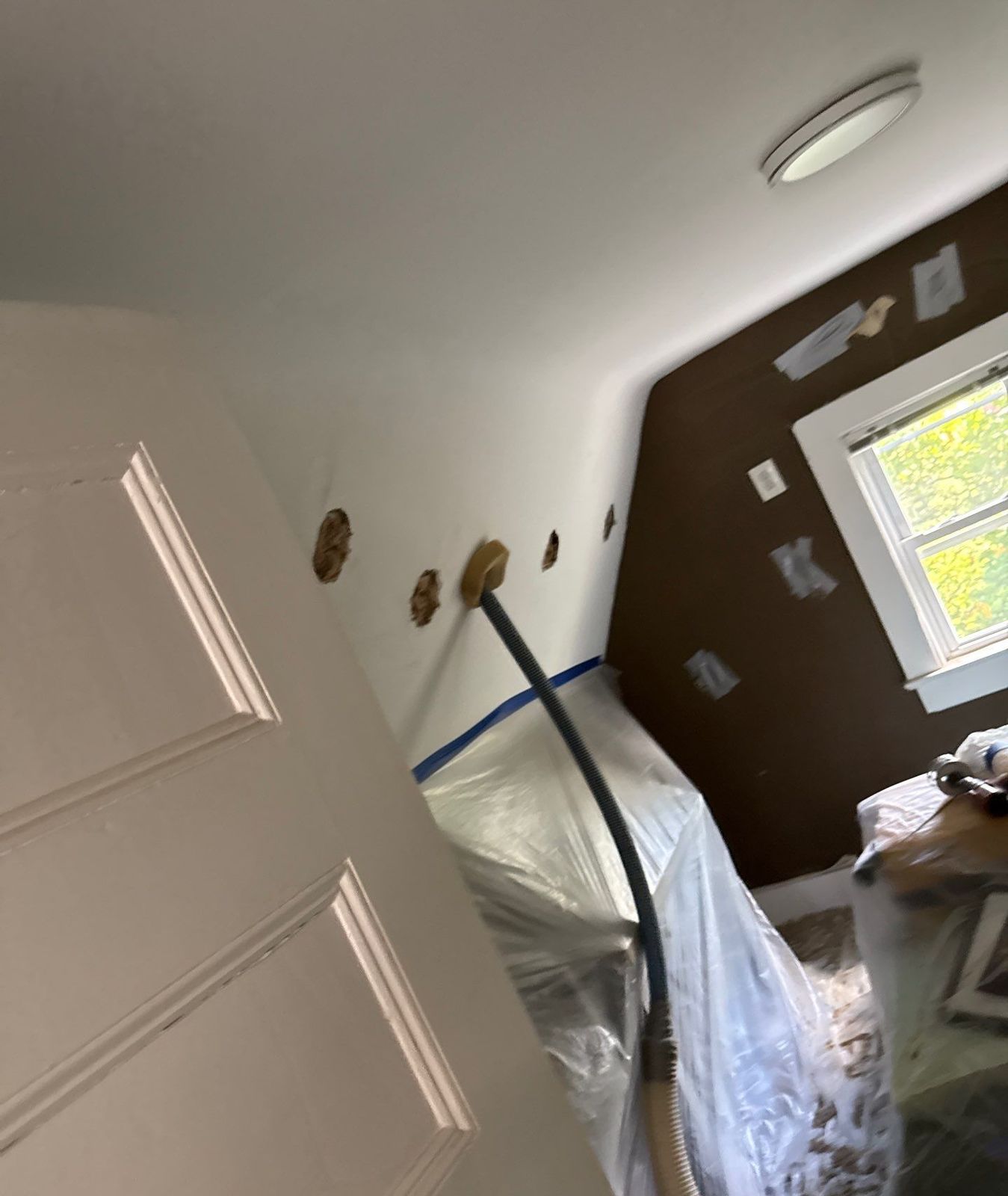
Cellulose is packed into closed wall cavities at about 3.5 lb/ft³ through small access holes, from inside or by removing a band of siding. No gutting, no settling. See exterior dense pack.
Removal & Replacement
Wet, matted or rodent-contaminated material gets vacuumed out and bagged at the source before new cellulose goes down. We do not bury a problem under new insulation.
Topping Up Over Existing
If the existing fiberglass is dry and uncontaminated, cellulose can be blown straight over it and the R-values add together. Often the most cost-effective upgrade there is.
Straight Numbers
How Much Does Cellulose Insulation Cost?
Typical installed ranges for the Westchester and northern New Jersey market. These are the numbers we see most often, not a quote.
NYSERDA takes up to $3,000 off
New York homeowners working with a participating contractor. We file the paperwork. New York only — NJ uses Home Performance with ENERGY STAR. NY program details.
Cellulose costs more than fiberglass
Per square foot, yes — and it buys you ~40% more R-value per inch plus real air-flow resistance. In an older home with irregular framing, that gap widens further.
You get a written scope
Your assessment produces a documented scope of work with the target R-value and exact pricing before anything is ordered.
The Spec
Cellulose R-Value — and How Much You Actually Need
Blown cellulose delivers R-3.5 to R-3.8 per inch. Blown fiberglass gives R-2.2 to R-2.7. That difference compounds fast when you are trying to reach a target in a fixed depth of attic.
The DOE recommends R-49 to R-60 for attics in the climate zones covering Westchester and northern New Jersey. Here is what that means in inches:
Depths are settled depths. Loose-fill cellulose settles roughly 15–20% over its first years, so it has to be blown deeper than the finished target. We install to the settled number and leave depth markers so it can be checked years later. Dense-pack in walls is installed at ~3.5 lb/ft³ specifically so it cannot settle and leave a void at the top of the cavity.

The Questions Everyone Asks
Is Cellulose Insulation Safe?
It is made from recycled paper, so people reasonably ask whether it burns, molds, or attracts mice. Here are the straight answers — including where the honest limits are.
Does it burn?
No. The borate treatment gives cellulose a Class A / Class 1 fire rating — the highest available for building insulation. A dense layer actually slows fire spread better than unfaced fiberglass, because the density limits oxygen reaching the framing. It chars rather than supporting a flame.
Does it attract mice or insects?
The opposite. Borate is a natural insecticide and rodent deterrent. Rodents avoid nesting in it where they readily nest in loose fiberglass. Honest limit: it is not a pest-control product and will not clear an existing infestation.
Does it mold?
Borate resists fungal and microbial growth, so the material is not a mold food source under normal conditions. Honest limit: no insulation survives a real water problem. A roof leak or a bath fan venting into the attic will mat it and keep it damp. We fix the moisture source first.
Can it contain asbestos?
No — cellulose has never contained asbestos. The confusion is with vermiculite (often sold as Zonolite), a loose granular insulation that looks like gray-brown pebbles. Vermiculite from Libby, Montana can contain asbestos. Pebbles, not gray shredded fiber? Do not disturb it — have it tested.
Is it dusty? Safe to breathe?
Any dry blown material makes dust during installation, which is why our crew wears respirators and we seal the work area. Once installed and the hatch is sealed, it is inert. It contains no formaldehyde and does not off-gas — and unlike fiberglass it is not itchy or irritating to skin.
What about knob-and-tube wiring?
This one matters in older Westchester homes. Active knob-and-tube must not be buried in any insulation — it is designed to shed heat into open air. If we find it, the wiring gets addressed by an electrician before we insulate. No exceptions.
Choosing a Material
Cellulose vs. Fiberglass vs. Spray Foam
The short version. Each comparison has its own deeper page if you want the full argument.
Cellulose vs. Fiberglass →
The full comparison, including whether you can blow cellulose over existing fiberglass batts.
Cellulose vs. Spray Foam →
When the roof deck needs foam instead, and when cellulose on the attic floor is the better spend.
Injection Foam vs. Cellulose →
For older-home walls specifically — what injection foam actually does in a closed cavity, and where it falls short.
Our Process
How a Cellulose Job Actually Runs
Energy Assessment
We measure existing depth and R-value, check for moisture, rodents and knob-and-tube, inspect ventilation and soffit clearance, and use thermal imaging to find where heat is actually escaping.
Written Scope of Work
Target R-value, material, exact pricing, and your NYSERDA eligibility if you are in New York. Nothing is ordered before you approve it.
Remove What Has Failed
Wet, matted or contaminated material is vacuumed out and bagged at the source. Sound insulation stays — we do not remove material that is still doing its job just to sell a bigger scope.
Air Seal, Then Blow
Every bypass gets sealed first — top plates, chases, wire penetrations, the hatch. Baffles go in at the eaves so the soffit vents stay clear. Then cellulose goes in to the settled-depth target. See attic air sealing.
Depth Markers & Documentation
Measurement sticks go in so the depth is verifiable years from now, the site is cleaned, and you receive documentation of the installed R-value plus your rebate paperwork.


Cellulose Insulation Contractors Near You
We have been installing cellulose across Westchester, the Hudson Valley and northern New Jersey since 2005. That matters here more than most places: the housing stock is old. Balloon-framed colonials, post-war capes with kneewalls, plaster-and-lath walls with no insulation at all. Cellulose is the material that works in those buildings, and knowing how to get it into them is the actual skill.
Woman owned and family run. BPI accredited. NYSERDA participating contractor — we file your rebate paperwork for you.
BPI
Accredited contractor, measured standards
$3,000
NYSERDA incentive, New York homeowners
Since 2005
Woman owned and family run
Verified
Depth markers and documented R-value
Complete the Picture
Where Cellulose Fits In
Attic Insulation
The full attic service — assessment, air sealing, removal and insulation to R-49 or better.
wall_artWall Insulation
Dense-pack cellulose into closed walls — no gutting, no settling, no cold exterior rooms.
airAttic Air Sealing
The step that comes before insulating. Without it, the R-value you paid for underperforms.
volume_offCellulose for Soundproofing
Density is what stops sound. Cellulose fills a cavity completely, which is why it outperforms batts for noise.
energy_savings_leafHome Energy Audits
Blower door testing and thermal imaging that show exactly where the house is losing energy.
savingsNY Insulation Programs
What NYSERDA covers, who qualifies, and how the incentive is applied. New York homeowners only.
Frequently Asked Questions
Find Out What Your Attic Is Actually Rated At
Request an energy assessment. We measure the existing R-value, find where the air is escaping, and give you a written scope with exact pricing and your rebate eligibility.