Schedule A Consultation 845-445-8255

845-445-8255

Schedule A Consultation

Open Wall Insulation Specialists

Wall Insulation Contractor for Open Walls in NJ & Westchester

If your walls are open right now, this is your one chance to get insulation done right.

Once drywall goes up, the opportunity is gone — and that's when problems start: rooms that never stay comfortable, rising energy bills, and drafts you can't explain.
verified Serving NJ & Westchester since 2005
workspace_premium BPI Accredited
eco NYSERDA Participant
people Family-owned, not a franchise
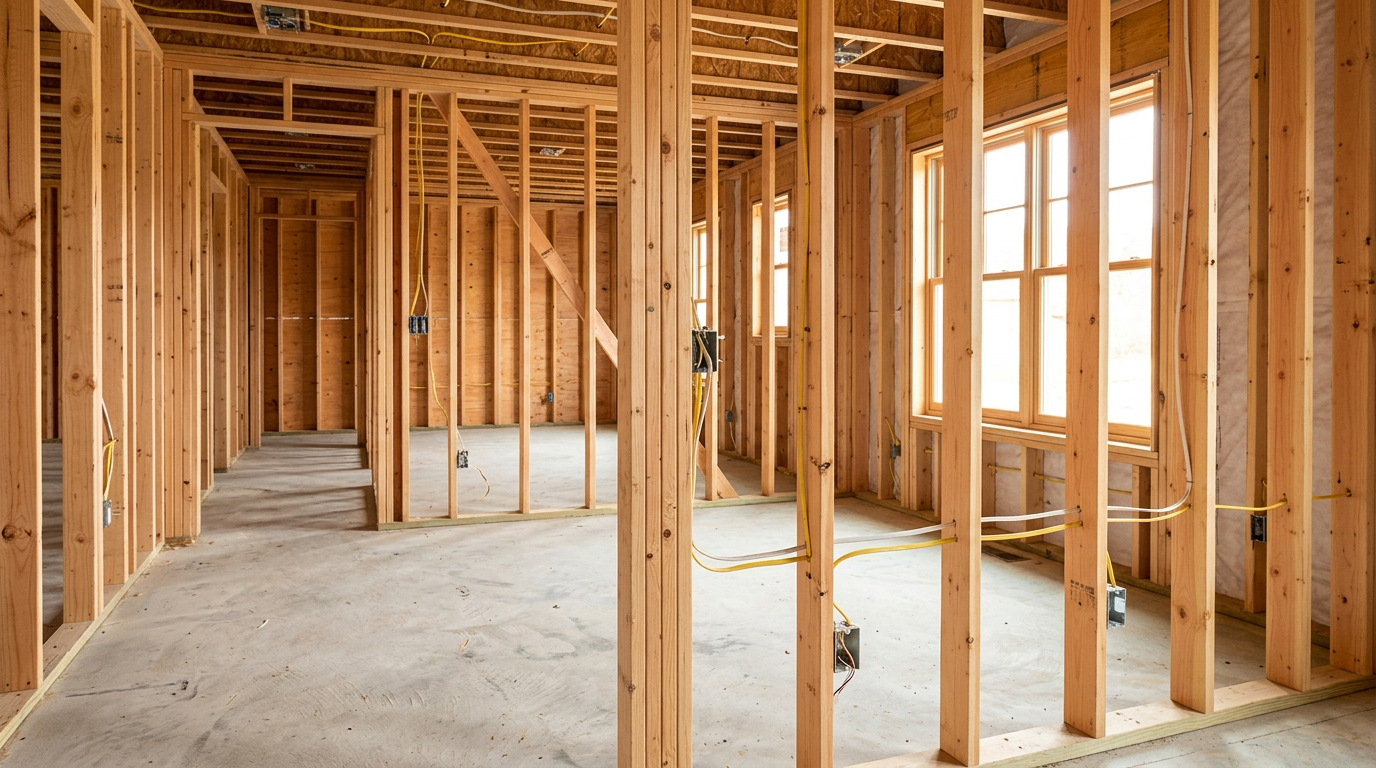
Open wall studs ready for insulation installation before drywall

Serving the region

Since 2005

help

Quick Answer

What Is the Best Insulation for Walls Before Drywall?

The best insulation for walls before drywall is typically dense-pack cellulose or spray foam, depending on the home. Cellulose provides consistent coverage and reduces air movement, while spray foam offers higher R-values and air sealing. The right choice depends on the structure, airflow, and long-term comfort goals.

This Service Is Ideal If

door_open

Walls Are Open

Your interior walls are currently exposed down to the studs.

home_repair_service

Renovating or Adding On

A remodel, addition, or master suite currently under construction.

thermostat

Avoiding Uneven Temps

You want consistent comfort in every room—not one hot, one cold.

bolt

Improving Energy Efficiency

You want to reduce energy costs before closing the walls.

Comfortable home interior — the result of proper wall insulation

Why It Matters

The invisible difference between a house and a sanctuary.

We've seen it too many times. A home gets renovated. Everything looks perfect. But something still feels off — one room is always colder, another gets too hot, the HVAC runs constantly, but comfort never matches expectations.

The problem usually isn't the system. It's what's behind the walls. Once drywall is installed, fixing insulation becomes invasive, expensive, and frustrating. This is the moment to get it right.

air

Eliminate Cold Spots

Inconsistent wall temperature causes convective loops — drafts that move even when your windows are closed.

payments

Stop Energy Loss

Walls account for up to 35% of heat loss. Pre-drywall is your only chance to seal the frame completely.

hearing

Reduce Sound Transfer

Dense-pack materials significantly reduce noise between rooms and from outside — something you can't retrofit easily.

Timing Is Everything

Before vs. After Drywall — why acting now saves money and frustration later.

Recommended — Act Now

Before Drywall

  • check_circle Full access to wall cavities
  • check_circle Complete insulation coverage — no missed spots
  • check_circle Proper air sealing at every gap
  • check_circle Lower installation cost
  • check_circle More material options available
Harder & Costlier

After Drywall

  • cancel Holes must be drilled through drywall
  • cancel Limited access inside wall cavities
  • cancel Risk of missed spots and voids
  • cancel More labor, more disruption
  • cancel Higher overall cost and complexity

Once the walls are closed, your options become limited.

Insulation Options for Open Walls

We don't push one solution. We evaluate your home and recommend what actually works.

eco

Option 01

Dense-Pack Cellulose Insulation

  • Fills wall cavities completely with no voids
  • Reduces airflow and drafts inside walls
  • Excellent for older homes and renovations
  • Strong sound dampening between rooms

Cellulose delivers strong real-world performance because it fills gaps and reduces air movement inside walls — a consistent, proven choice for most renovation projects.

Coverage Consistency Excellent
Sound Control High
air_purifier_gen

Option 02

Spray Foam Insulation

  • Expands to seal every gap and crack
  • Higher R-value per inch
  • Strongest air sealing performance available
  • Ideal for targeted applications and tight spaces

Spray foam provides some of the highest R-values available, helping reduce heat transfer more efficiently — particularly in areas with complex framing or irregular cavities.

Air Sealing Power Maximum
R-Value Per Inch R-6 to R-7

What R-Value Do You Need for Wall Insulation?

R-value measures how well insulation resists heat flow — the higher the R-value, the better the insulating performance. In New Jersey and Westchester homes, proper wall insulation helps maintain consistent temperatures, reduce heating and cooling costs, and improve overall comfort. The right R-value depends on your wall structure, insulation type, and installation quality.

Performance Metrics (Per Inch)

Closed-Cell Spray Foam

R-7.0

Dense-Pack Cellulose

R-3.8

Rockwool / Mineral Wool

R-3.3

Standard Fiberglass

R-2.2

How Much Does It Cost to Insulate Walls?

The cost of wall insulation depends on wall size and layout, insulation material, accessibility, and project scope. Open walls are always the most cost-effective time to install — waiting until after drywall increases labor, complexity, and total cost.

square_foot

Wall Size & Layout

Total square footage and framing complexity

category

Material Selection

Cellulose, spray foam, or hybrid approach

accessibility

Accessibility

Open walls are the easiest — lowest labor cost

When Should You Insulate Walls During a Renovation?

Scheduling insulation at the right phase of your project ensures the best results — and prevents having to undo work later.

  1. 1

    After framing is complete

    All structural walls are in place.

  2. 2

    After electrical and plumbing rough-in

    All penetrations are in — nothing will be disturbed after insulation.

  3. 3

    Before drywall is installed

    Full cavity access — the optimal window for complete coverage and proper air sealing.

This sequence ensures full coverage, proper sealing, and long-term performance.

Can You Insulate Walls After Drywall?

Yes — but it's more complex. Dense-pack cellulose can be installed into existing walls by drilling small access holes and filling the cavity.

The process is more invasive, requires patching afterward, and carries a higher risk of coverage gaps. Open walls are always the better option when available.

arrow_forward Learn about Exterior Dense-Pack Wall Insulation

Our Process

We don't guess. We inspect, measure, and install with purpose.

1
search

Evaluate

Inspect wall structure and layout to understand your specific situation.

2
air

Identify

Locate all air leakage points and problem areas before work begins.

3
fact_check

Recommend

Propose the right insulation system for your home — no upselling.

4
handyman

Install

Full cavity coverage with professional precision by certified technicians.

5
done_all

Ready

Clean site, walls prepared — ready for drywall the next day.

What Homeowners Are Saying

Trusted by Families in NJ & NY

Opening your walls and trusting a contractor to get it right can feel overwhelming. That's why homeowners across New Jersey and Westchester trust our team.

What We Help You Avoid

Common Mistakes
Homeowners Make

These are the issues we help homeowners avoid every day — before they become expensive problems.

  • schedule

    Waiting too long to insulate

    Once drywall is up, every option becomes more invasive and more expensive.

  • category

    Choosing the wrong material

    Not all insulation performs equally in all wall types — structure matters.

  • hvac

    Assuming HVAC will fix comfort issues

    If the thermal envelope has gaps, even an oversized system won't deliver consistent comfort.

  • air

    Not sealing air gaps properly

    R-value alone isn't enough — air infiltration through unsealed gaps negates insulation performance.

Already have drywall up?

We offer specialized dense-pack methods for existing finished walls with minimal disruption.

View Retrofit Services

Serving Your Neighborhood

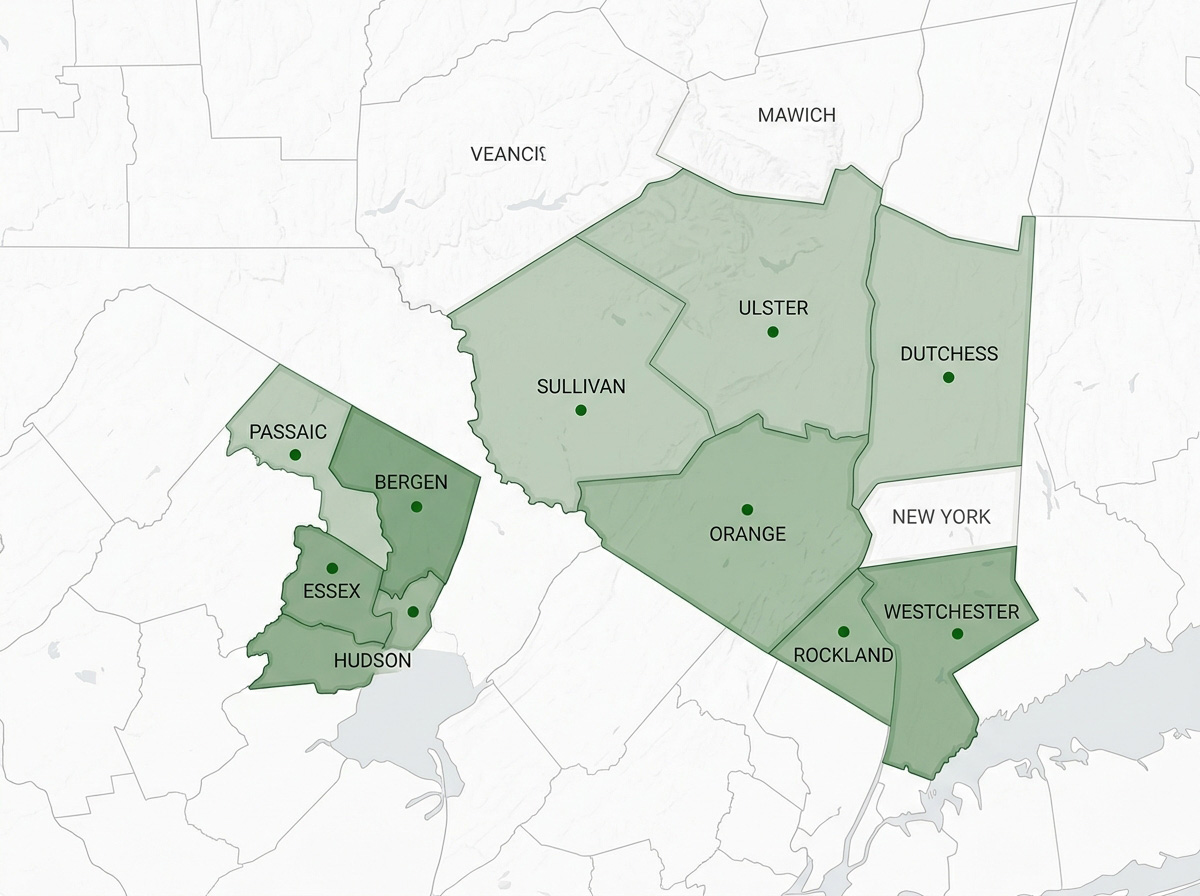
We provide wall insulation services throughout the following counties. If you're not sure whether we serve your area, call us.

New Jersey

  • Bergen County
  • Essex County
  • Passaic County
  • Hudson County

New York

  • Westchester County
  • Rockland County
  • Orange County
  • Ulster County
  • Dutchess County
  • Sullivan County

Service Counties

NJ: Bergen · Essex · Passaic · Hudson
NY: Westchester · Rockland · Orange · Ulster · Dutchess · Sullivan

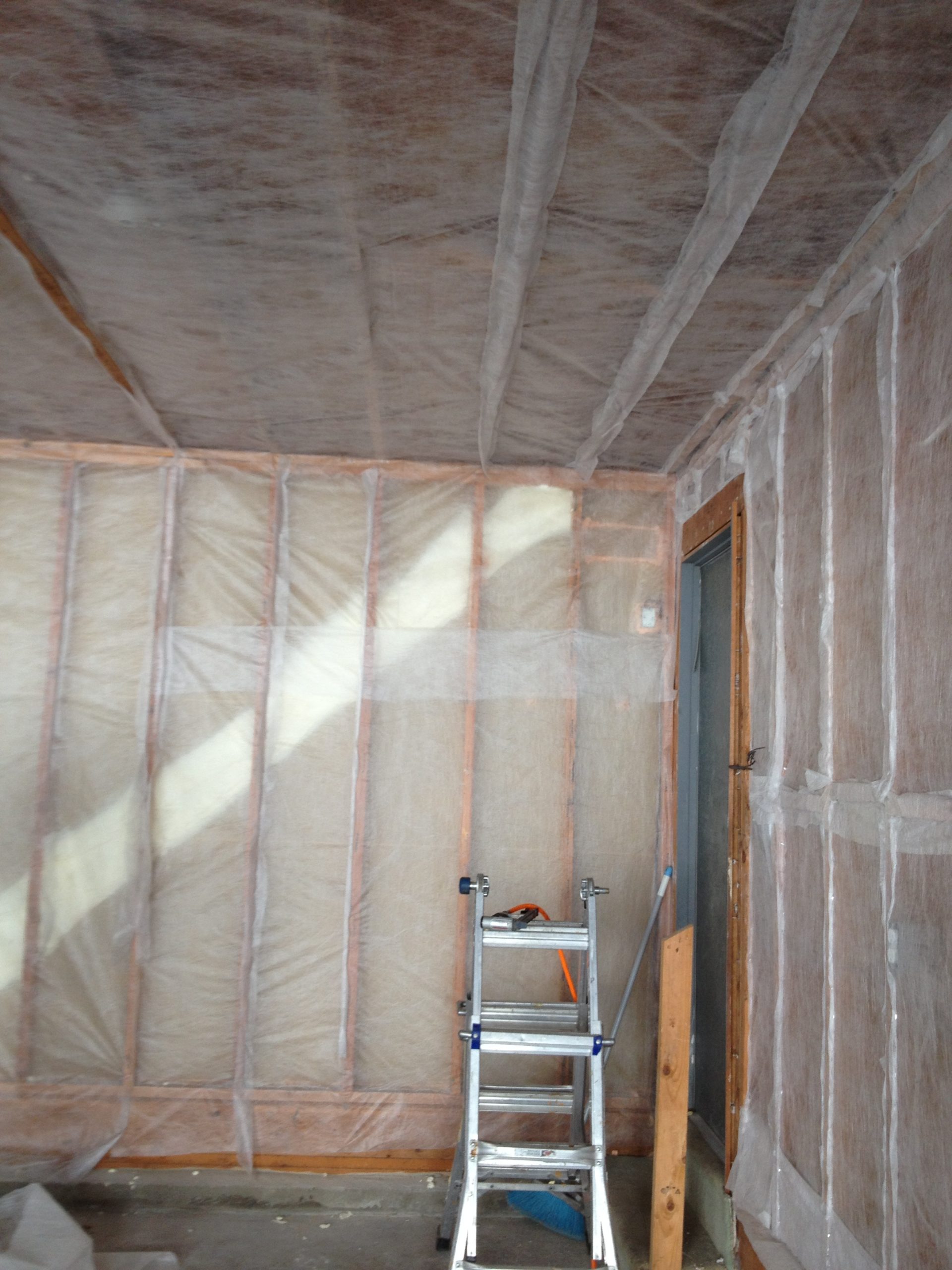
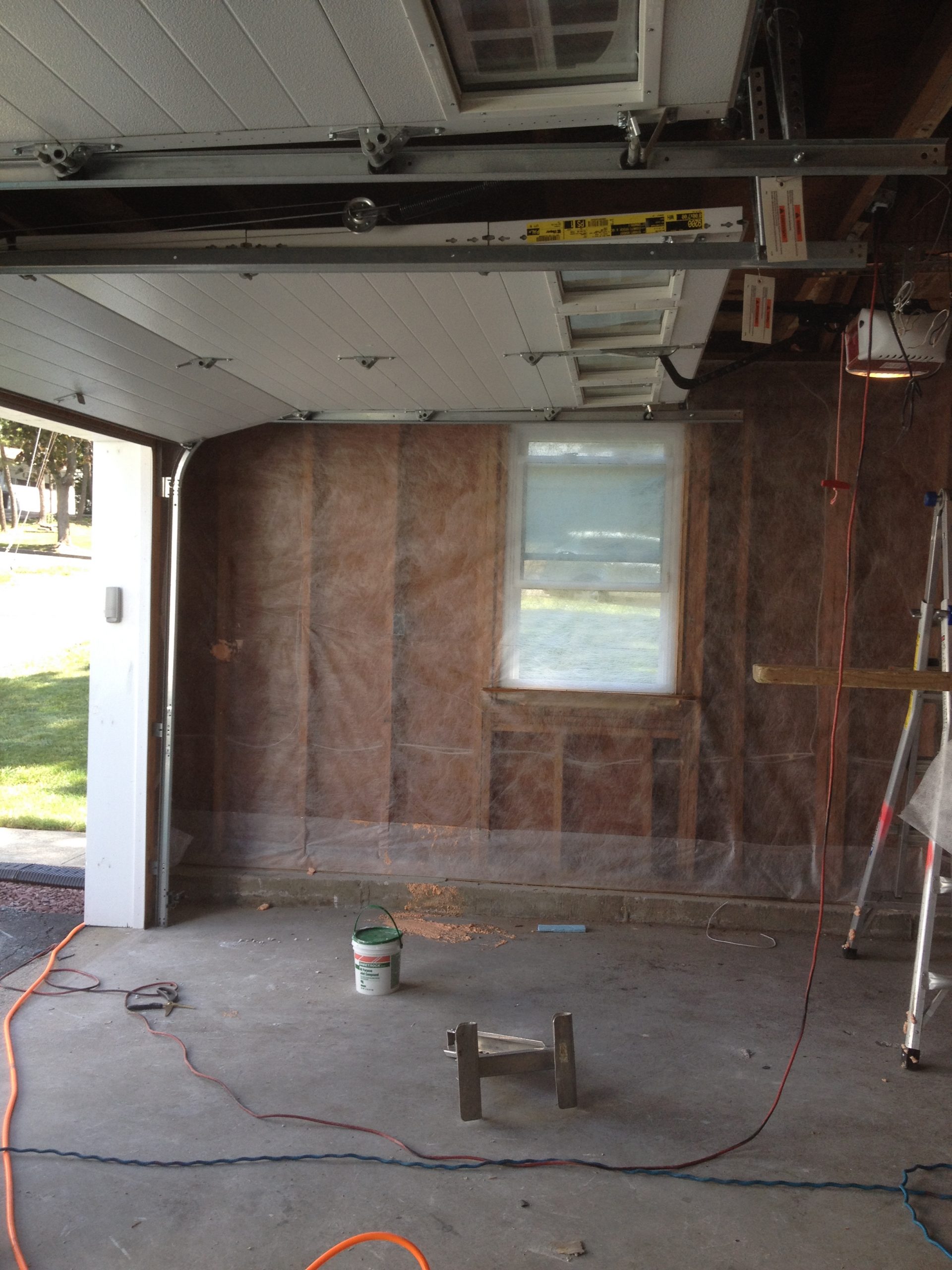
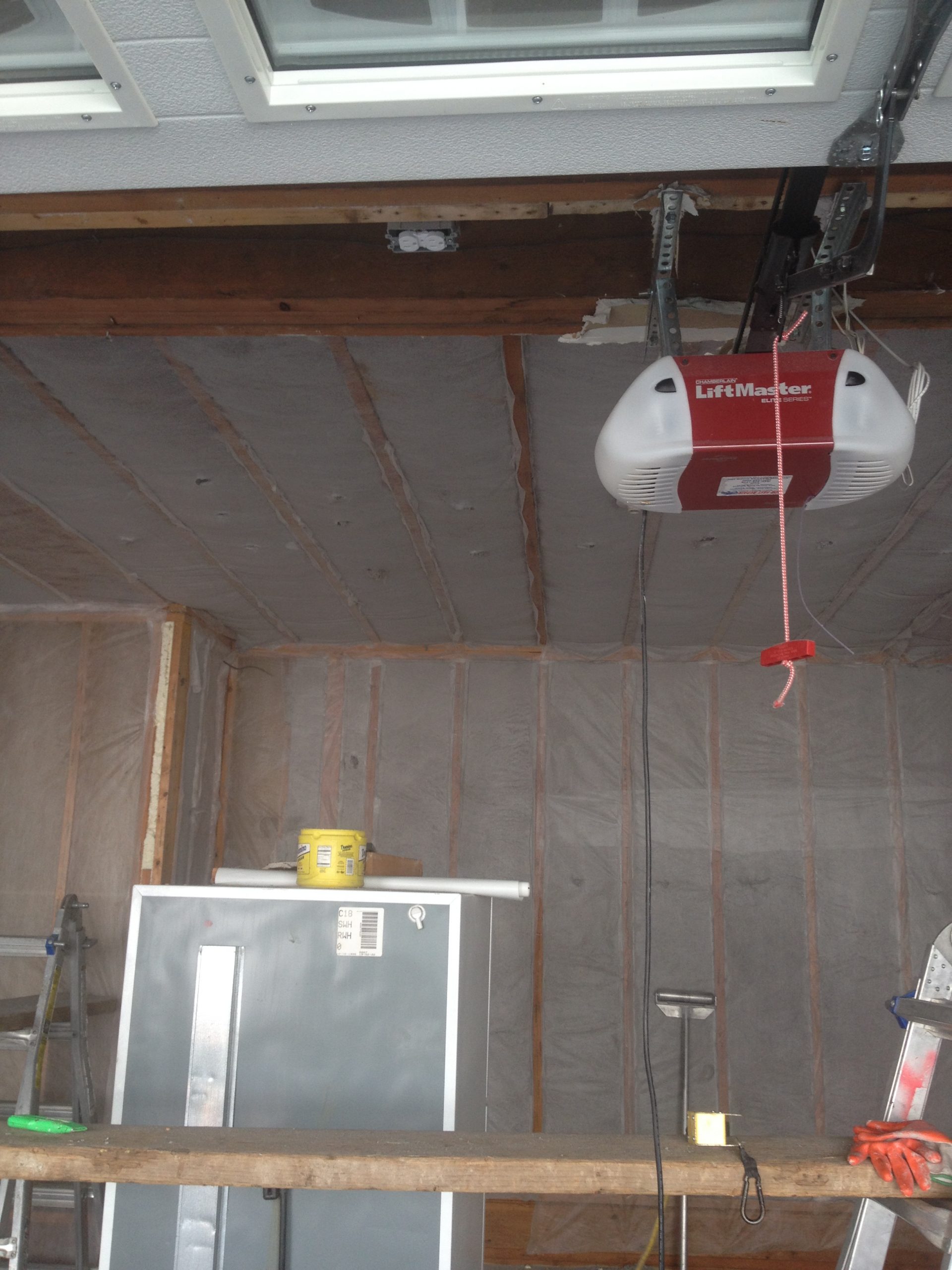
Real Projects: Open Wall Insulation

Recent work from NJ and Westchester County homes.
arrow_forward View Full Gallery
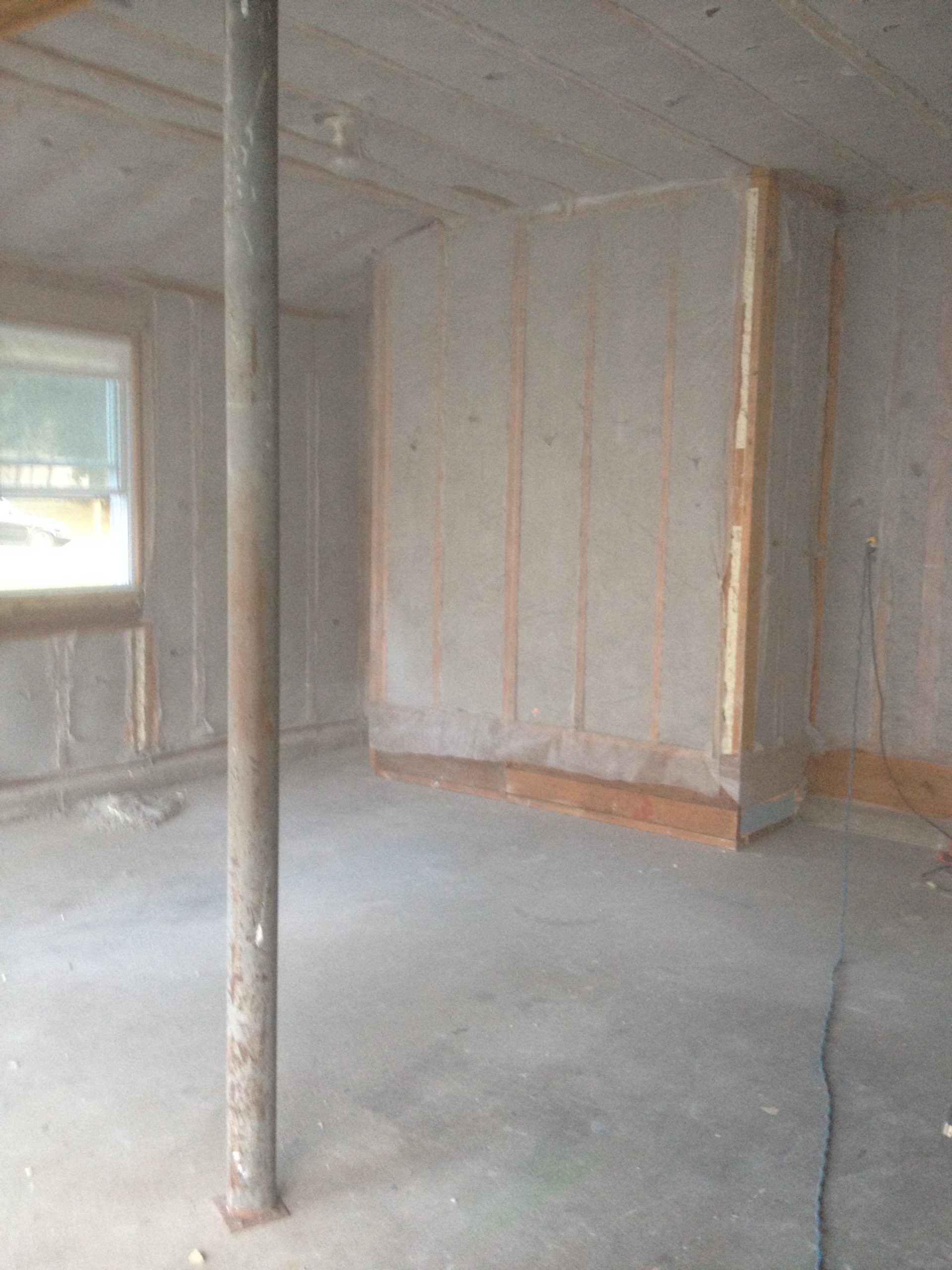
Dense-pack cellulose insulation on open wall studs before drywall — NJ renovation

Dense-Pack Cellulose — Open Wall

Wall and ceiling insulation installed before drywall — Westchester County

Wall & Ceiling Coverage — Westchester County

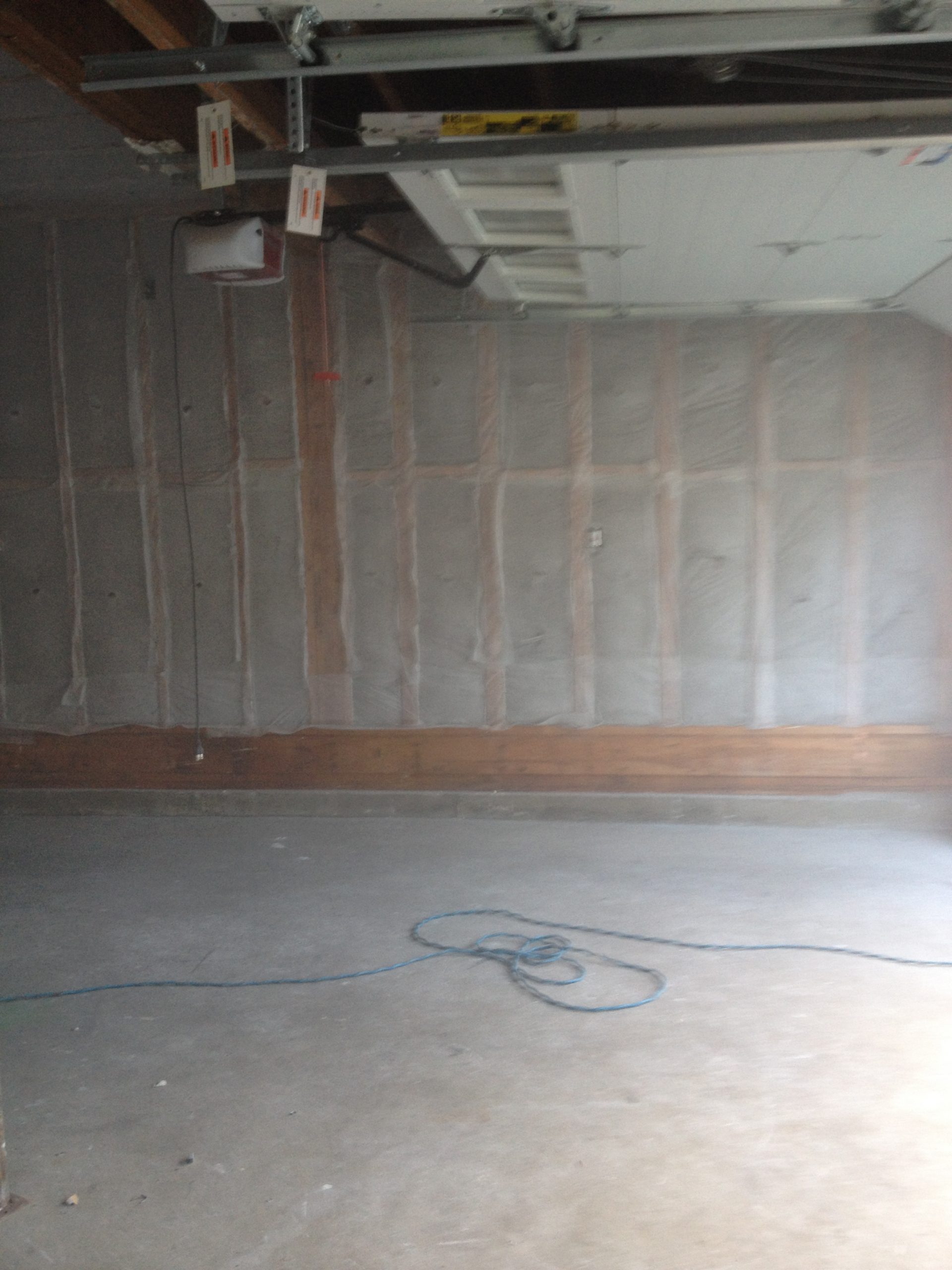
Insulation installed with protective netting before drywall — NJ garage renovation

Open Wall Prep — NJ

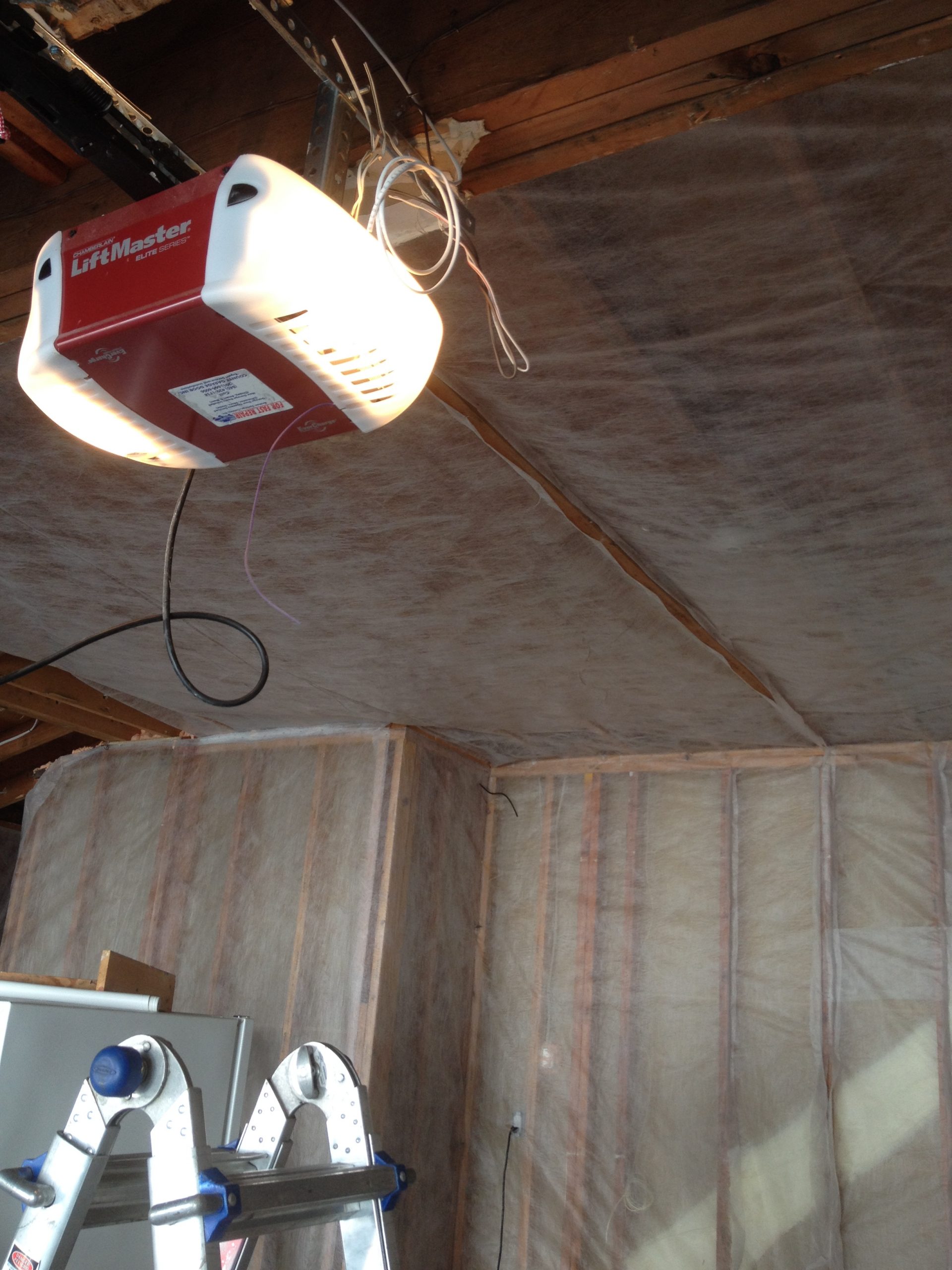
Ceiling and wall insulation — garage conversion before drywall

Ceiling & Wall — Garage Conversion

Dense-pack insulation installed in garage wall studs — NJ

Dense-Pack — NJ Garage Wall

Spray foam insulation on ceiling rafters before drywall installation

Ceiling Rafter Insulation — Before Drywall

Frequently Asked Questions

What insulation is best before drywall?

add
Dense-pack cellulose or spray foam, depending on the home and goals. Cellulose provides consistent coverage and reduces air movement, while spray foam offers higher R-values and air sealing. The best choice depends on your wall structure, budget, and long-term comfort goals.

Is spray foam better than cellulose?

add
Spray foam provides better air sealing and higher R-values per inch, while cellulose offers strong overall coverage, better sound control, and cost efficiency. Neither is universally "better" — the right choice depends on your specific project. We assess each home individually.

Can insulation be added after drywall is installed?

add
Yes — using dense-pack methods by drilling small access holes into the wall and filling the cavity. It works, but it's more invasive, carries a higher risk of coverage gaps, and costs more than insulating during open-wall stage. If your walls are still open, take advantage of that window.

Does insulation help with noise?

add
Yes, especially cellulose insulation in interior walls. Dense-pack cellulose fills wall cavities completely, significantly reducing sound transmission between rooms. If noise control is a priority, discuss this during your assessment so we can recommend the right approach.

How long does wall insulation installation take?

add
Most projects are completed within a day, depending on scope. After installation the site is cleaned and walls are ready for drywall the following day. We'll give you a clear timeline during your assessment.

Get Started

Schedule A Home Assessment With Our Insulation Experts

Fill out the form below and we'll contact you within one business day to confirm your appointment.

Select all that apply.

Your information is never shared. By submitting this form you agree to our Privacy Policy. We'll contact you within one business day.

Don't Miss Your Window

If your walls are open right now, this is the best opportunity.

Once drywall goes up, that opportunity is gone — improving comfort, efficiency, and long-term performance becomes significantly harder and more expensive.

We would like to help you get it right the first time.