
Attic Radiant Barrier Insulation for Lower Cooling Bills
Reflective foil radiant barriers that bounce the summer sun's heat back out — so your attic stays cooler and your air conditioner works less. We install Reflectix® and other foil radiant barriers in attics, roof decks, crawl spaces, and garages across Westchester & northern New Jersey — done right, with the air gap they need to work.
Serving Westchester County & North Jersey homes since 2005.
Serving the region
Since 2005
Radiant barrier insulation is a reflective aluminum foil installed in your attic that blocks radiant heat instead of slowing conductive heat. It reflects up to 95% of the sun's radiant heat away from your living space, lowering attic temperatures and cooling costs — working alongside your existing insulation, not replacing it.
Why Your Upstairs Bakes in Summer
Most of the heat that makes your second floor uncomfortable doesn't come through the walls — it radiates down from a superheated attic.
Summer Heat Gain
- closeRoof surfaces hit 150°F+ in direct sun
- closeThat heat radiates down into the attic
- closeAttic temps soar to 130–150°F
- closeYour AC runs constantly to keep up
Winter Heat Loss
- checkA foil barrier also reflects some heat back inward
- closeBut in winter, mass insulation (R-value) matters most
- checkBest winter results come from pairing both
- closeA radiant barrier alone won't fix a cold house
Pair a radiant barrier with proper attic insulation for year-round comfort.
What Is a Radiant Barrier?
Reflectix® bubble foil and reflective foil barriers all work the same way — a low-emissivity aluminum surface facing an air gap.
Reflective Foil Facings
A pure aluminum surface with very low emissivity (~0.03) reflects up to 95% of radiant heat instead of absorbing it.
Bubble Core + Required Air Gap
Bubble-foil products like Reflectix add a small insulating core, but every radiant barrier needs an adjacent air gap to reflect heat — foil pressed flat against a surface stops working.
Solid vs. Perforated
Perforated foil lets water vapor pass so moisture can't get trapped; solid foil doubles as a vapor barrier. We choose based on where it's installed.
Does a Radiant Barrier Actually Work? (And the R-Value Truth)
Yes — when it's installed correctly. Independent testing shows attic radiant barriers can cut attic temperatures by up to 30°F and reduce cooling costs by roughly 5–10% in hot, sunny conditions. The key word is radiant: a foil barrier blocks heat that travels as radiation, which is most of the heat load in a summer attic.
The honest part: a radiant barrier has no standalone R-value. R-value measures resistance to conductive heat; radiant barriers work by reflection, measured by emissivity instead. That's why it complements your fiberglass, cellulose, or spray foam rather than replacing it.
How We Measure It
Effectiveness is rated by emissivity (how little heat a surface radiates) and reflectivity (how much it bounces back). A quality radiant barrier sits around 0.03 emissivity / 95–97% reflectivity. We confirm placement and air gap on every install so you get those numbers in practice.
How We Install Your Attic Radiant Barrier
A clean, code-correct install that preserves the air gap and your attic ventilation.
Assess Your Attic
We check insulation levels, ventilation, and roof/rafter layout to confirm a radiant barrier is the right fit and where it belongs.
Choose Placement
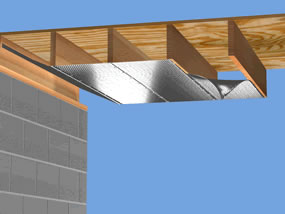
Foil is stapled to the underside of the rafters (best, preserves a full air gap) or laid foil-up over existing attic-floor insulation, depending on your attic.
Preserve the Air Gap & Ventilation
We keep the reflective surface facing an open air space and never block soffit, ridge, or gable ventilation.
Fasten & Seal
The barrier is stapled taut with minimal sag, seams overlapped, and edges trimmed cleanly around penetrations.
Inspect & Verify
We confirm coverage, air gap, and ventilation, then walk you through the finished install.
Where Radiant Barriers Work Best
Anywhere radiant heat is the problem — starting with the attic.
Attics & Roof Decks
The #1 application — block summer roof heat before it loads your living space.
Crawl Spaces & Rim Joists
Reflective foil adds a moisture-aware barrier in crawl spaces and band-joist areas.
Garages & Outbuildings
Garage doors, pole barns, and metal buildings stay noticeably cooler.
Doing a bigger project? See our crawl space encapsulation and home energy audits.
Radiant Barrier vs. Insulation: You Need Both
This isn't an either/or. Mass insulation (fiberglass, cellulose, spray foam) slows conductive heat and carries the R-value that keeps you warm in winter. A radiant barrier blocks radiant heat the insulation can't — the summer roof load. Together they cover both ways heat moves through your home.
Two ways heat moves
Conduction → insulation
Fiberglass, cellulose, and spray foam slow conductive heat and provide R-value.
Radiation → foil barrier
A reflective radiant barrier bounces radiant heat back before it loads the attic.
Cooler Attic, Lower Cooling Bills
Real, honest numbers — no inflated guarantees.
Up to 30°F cooler attic
~5–10% lower cooling costs
Year-round comfort paired with insulation
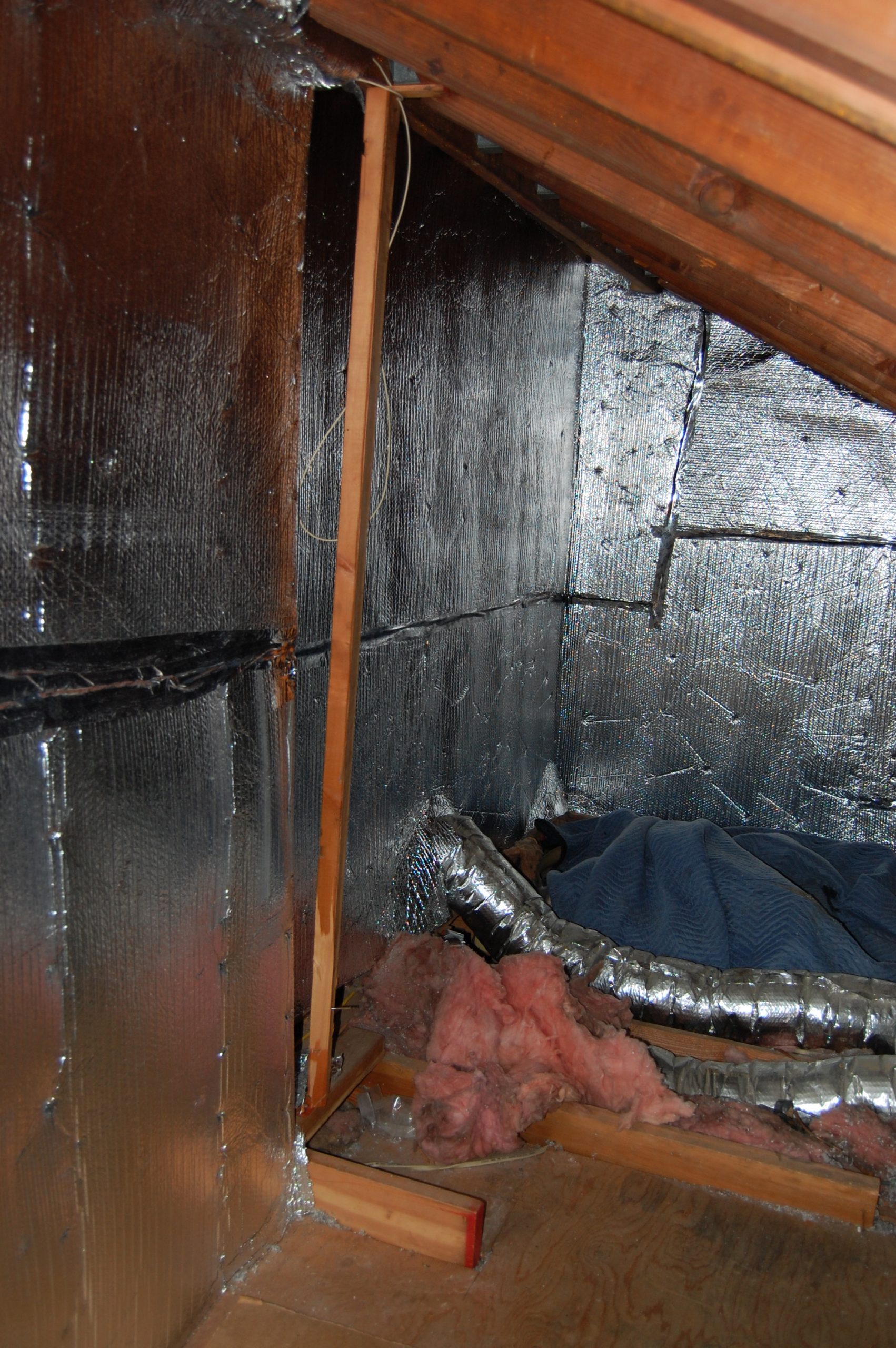
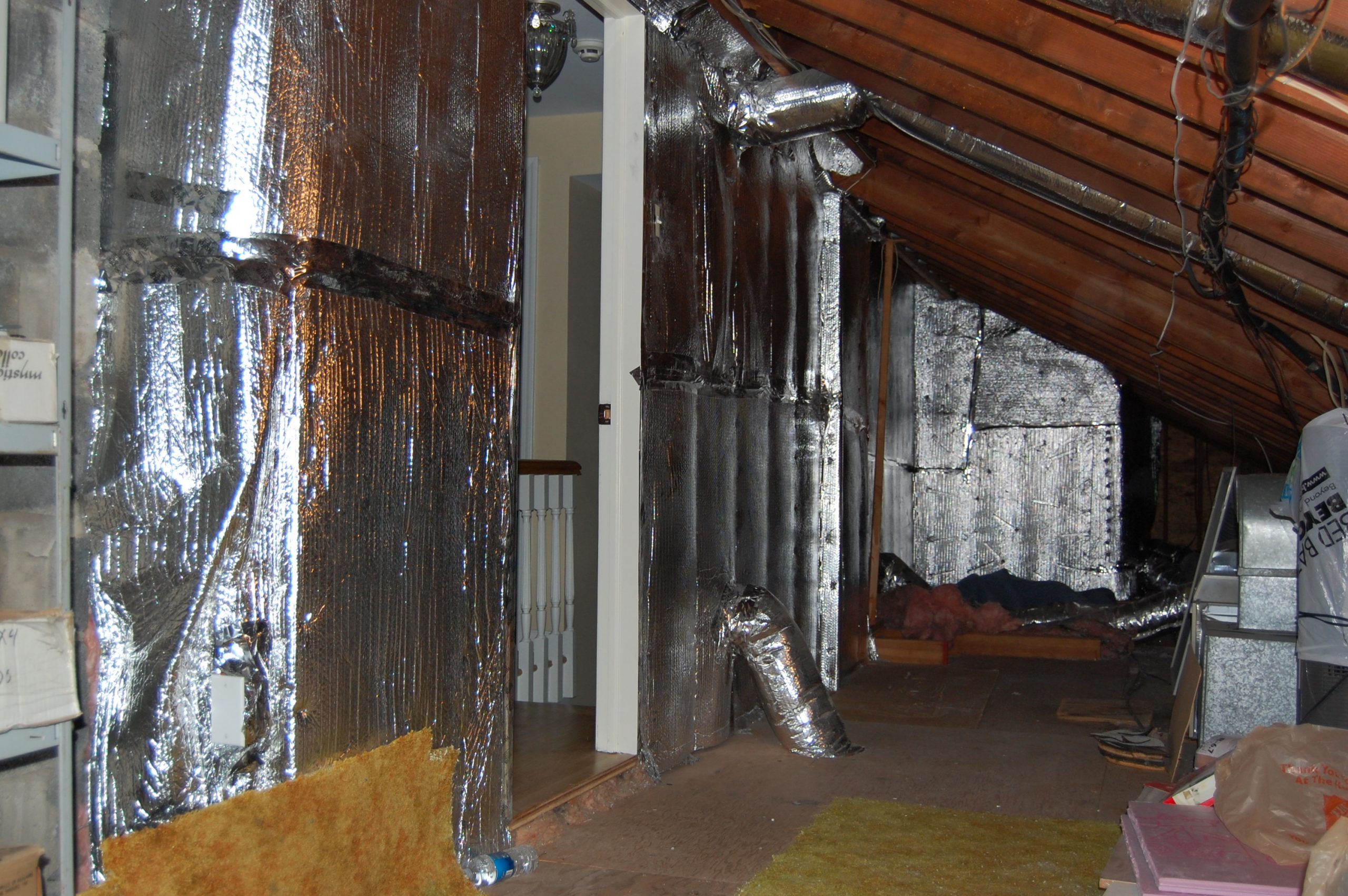
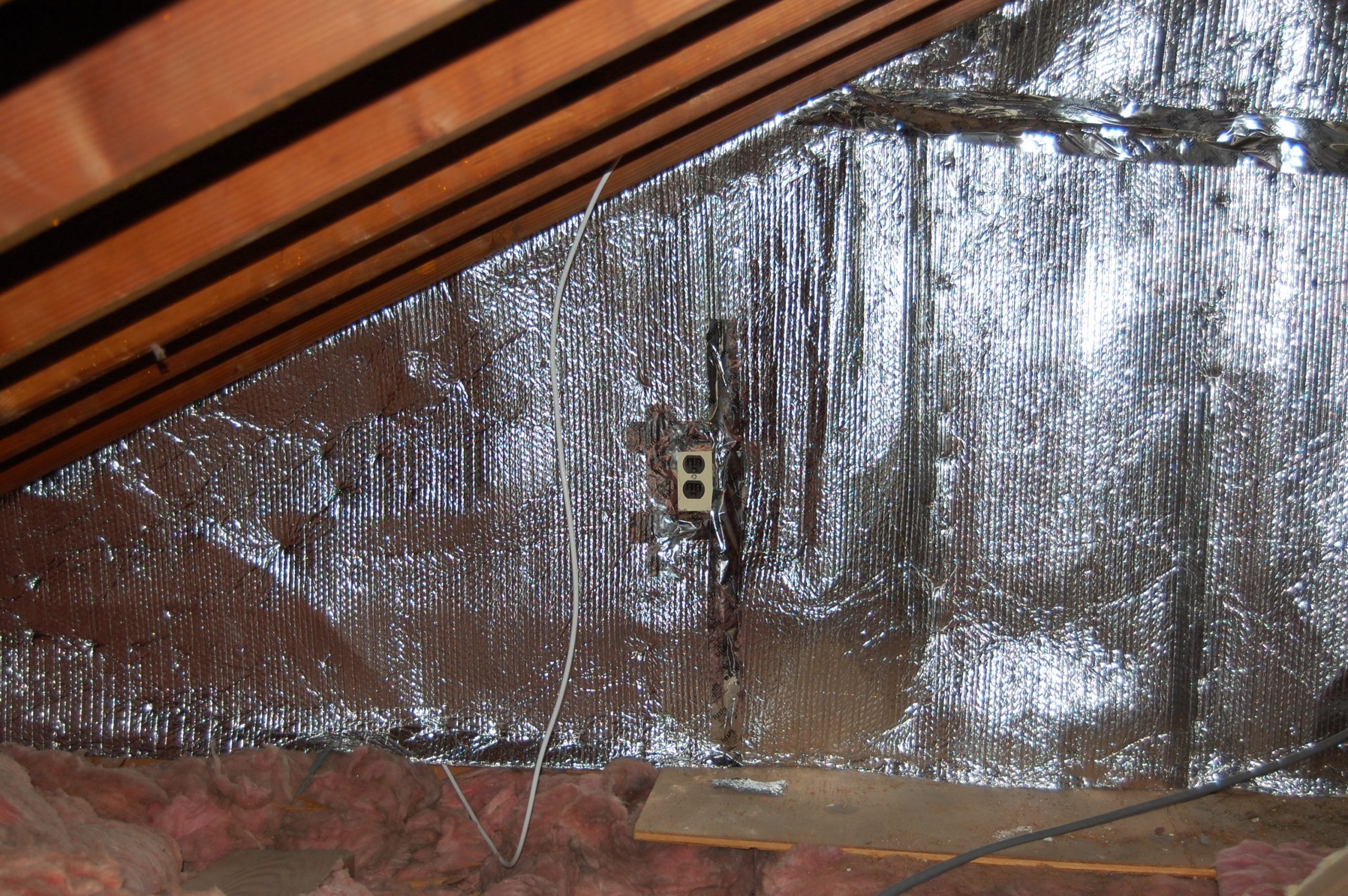
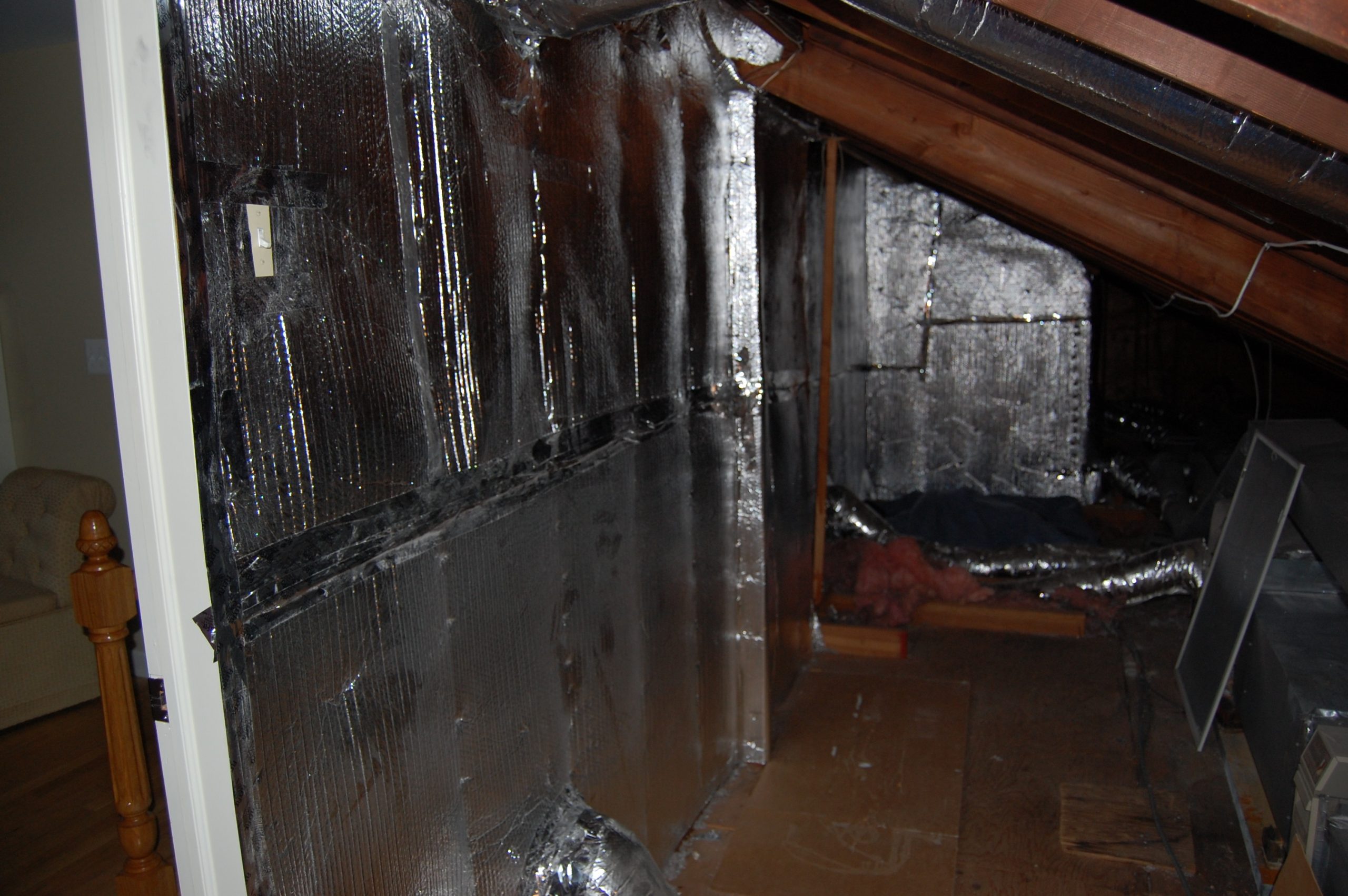
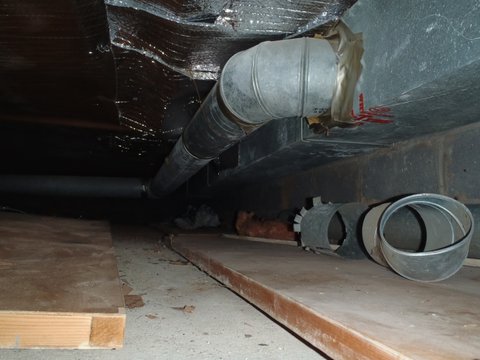
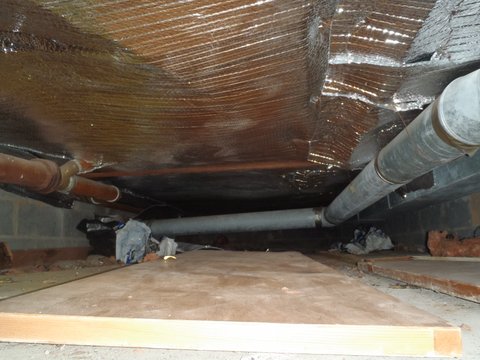
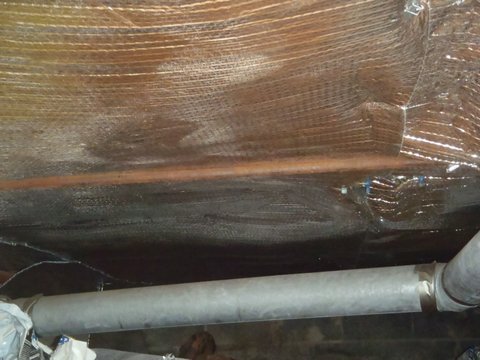
Our Expert Radiant Barrier Projects



What Homeowners Ask Before Installing a Radiant Barrier
Is a radiant barrier worth it?
In our climate, yes — if you have a hot attic and run AC in summer. It pays back fastest on homes with finished/second-floor living space under the attic.
What are the disadvantages?
It does little for winter heating on its own, loses some effectiveness if dust builds on the foil over years, and only works with a proper air gap. It's a complement to insulation, not a substitute.
How much does it cost?
Most attic radiant barrier installs are a few hundred to a couple thousand dollars depending on attic size and access. We give a firm quote after a quick assessment.
Solid or perforated foil?
Perforated where we need vapor to pass (over insulation/rafters); solid where we also want a vapor barrier. We pick per location.
Will it help in winter too?
Somewhat — the low-emissivity surface reflects some heat back inside — but winter comfort comes mainly from R-value insulation. Best paired.
What Our Customers Say
Serving Westchester & New Jersey Homes Since 2005
Metro NY Insulation is a participating NYSERDA contractor serving homeowners across the lower Hudson Valley and northern New Jersey.
Frequently Asked Questions
Is radiant barrier insulation worth it?add
What are the disadvantages of a radiant barrier?add
Where should a radiant barrier be installed?add
Does a radiant barrier need an air gap?add
Does radiant barrier insulation have an R-value?add
Schedule A Home Assessment With Our Insulation Experts
Find Out if a Radiant Barrier Will Cool Your Home
A quick home energy assessment tells us whether a radiant barrier — or a combination of air sealing, insulation, and foil — is the right fix for your hot upstairs.
Serving NJ & Westchester · BPI Accredited · NYSERDA Participant · Family-Owned Since 2005