What Is Air Sealing?
This is how air sealing works. Air sealing stops the invisible air leaks that let warm air escape and cold air rush in.
Even high-quality insulation can’t work effectively if air is freely moving through gaps, cracks, and hidden openings. That’s why air sealing is a core part of weatherization—and one of the fastest ways to improve comfort and lower heating bills in NY and NJ homes.
Why It Matters More Than Insulation Alone
If your home still feels drafty—even after adding insulation—you’re not alone.
We hear this from homeowners across New Jersey and Westchester County all the time:
“We upgraded insulation… but some rooms are still cold.”
“The heat runs constantly, yet the house never feels comfortable.”
The missing piece in many homes isn’t more insulation.
It’s air sealing.
Air sealing is one of the most important — and most overlooked — steps in weatherization. And without it, insulation simply can’t do its job properly.
Let’s break it down in plain English.
Why Homes Stay Cold Even With Insulation
Insulation slows down heat transfer.
But air movement bypasses insulation entirely.
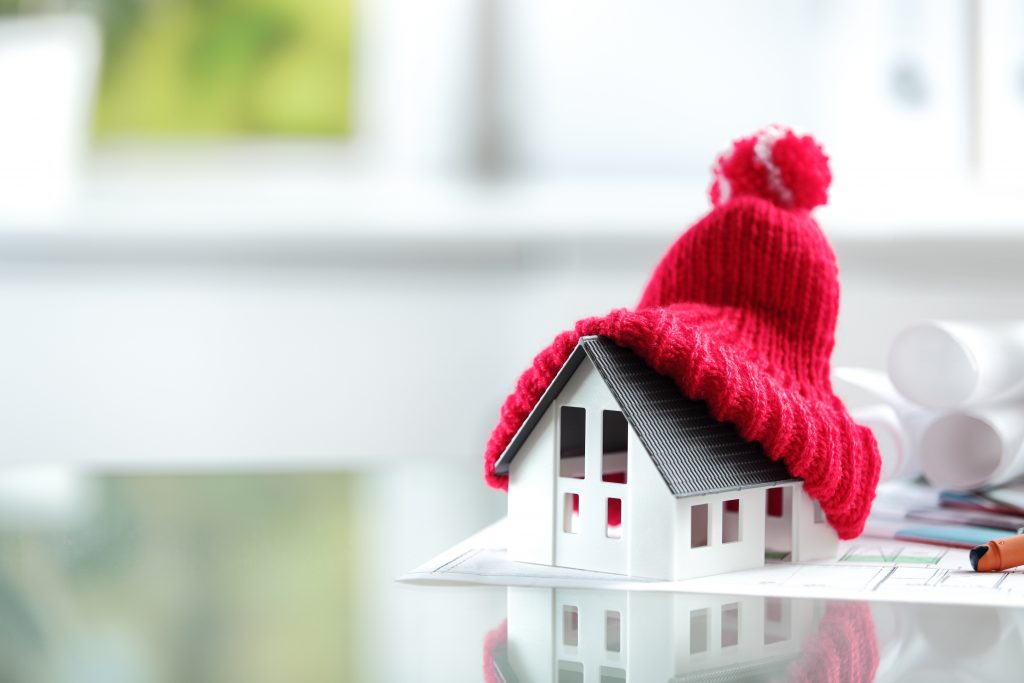
Think of it like wearing a winter coat with the zipper open. The coat itself is fine—but cold air still gets in, and warm air escapes.
That’s exactly what happens in many homes:
Warm air leaks out through the attic and upper levels
Cold air gets pulled in from basements, crawl spaces, and wall cavities
Your heating system works overtime trying to keep up
Without air sealing, insulation can only do so much.
What Is Air Sealing, Exactly?
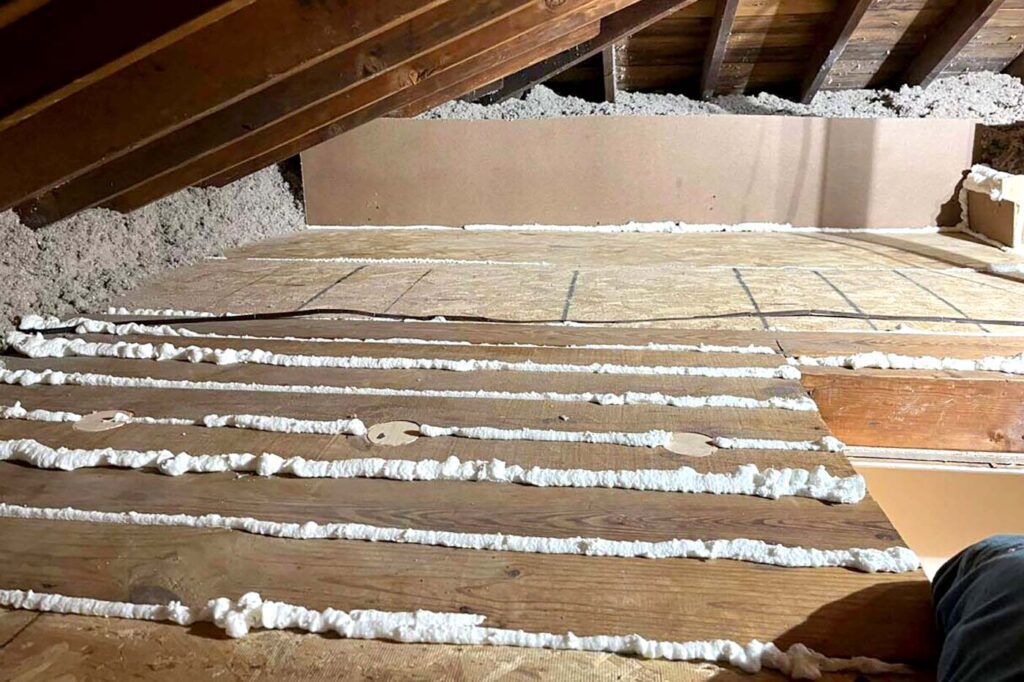
Air sealing means blocking uncontrolled airflow through your home’s structure.
This includes sealing:
Gaps
Cracks
Open penetrations
Hidden bypasses
These leaks are usually found in:
Attics
Basements
Crawl spaces
Walls and ceilings
The goal is simple:
Keep conditioned air inside and outdoor air where it belongs.
Why Insulation Alone Isn’t Enough
Insulation and air sealing work best together.
Insulation:
Slows heat loss through materials
Air sealing:
Stops heat loss through air movement
If air is leaking:
Warm air escapes before insulation can help
Cold drafts sneak into living spaces
Heating bills climb faster than expected
This is why NYSERDA and home energy audits often recommend air sealing first, followed by insulation upgrades.
Common Places Homes Lose Air (That Homeowners Never See)
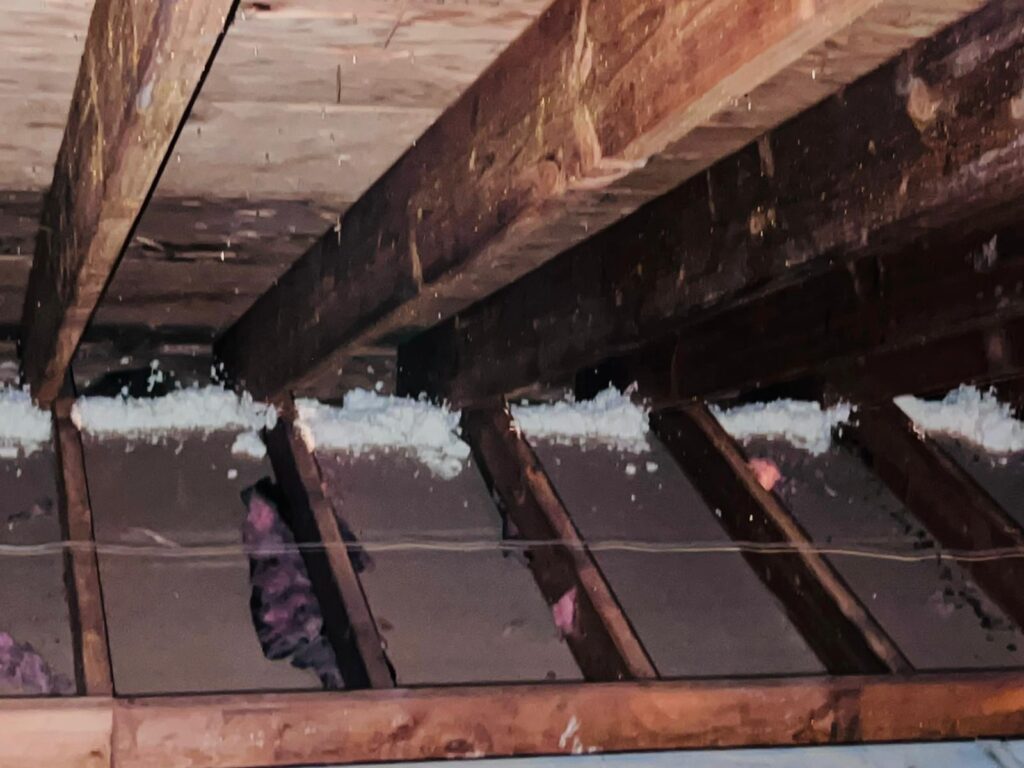
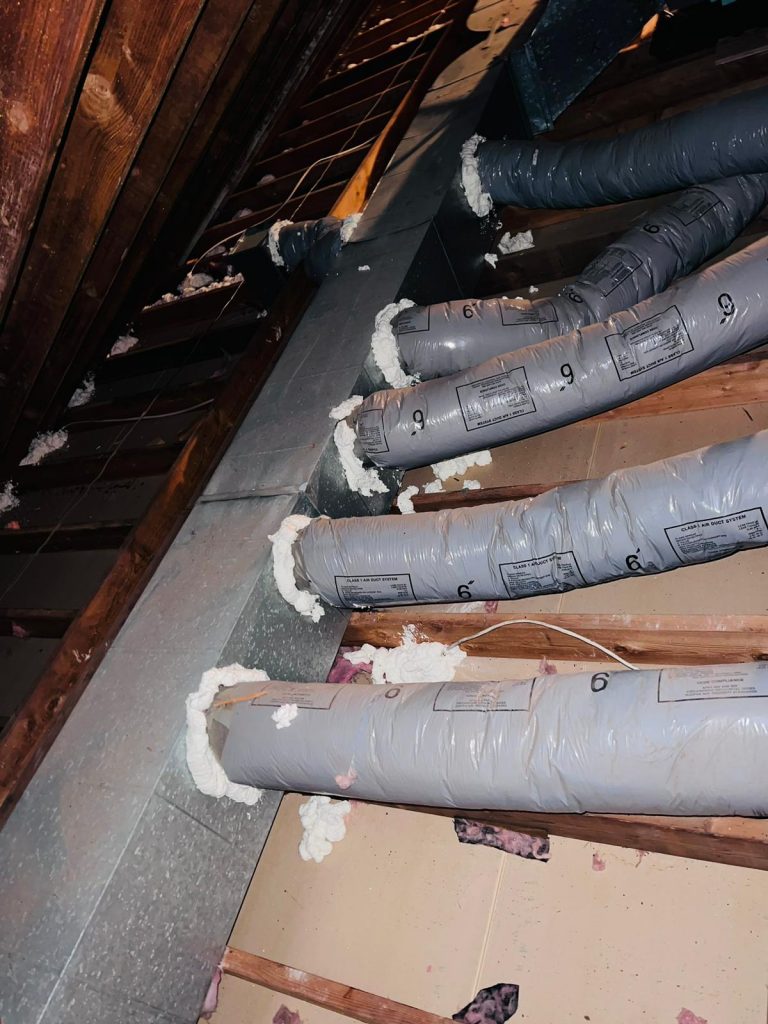
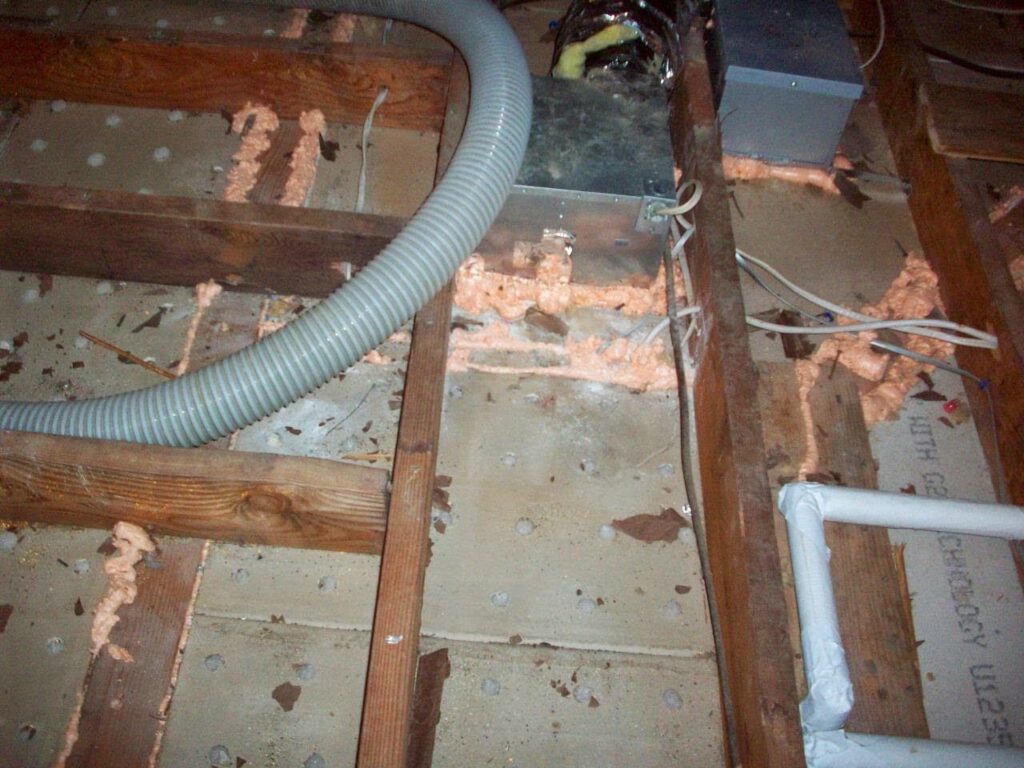
Some of the worst air leaks are completely hidden. We commonly find leaks at:
Attic bypasses
Recessed lighting fixtures
Plumbing and electrical penetrations
Chimney and flue chases
Rim joists
Basement sill plates
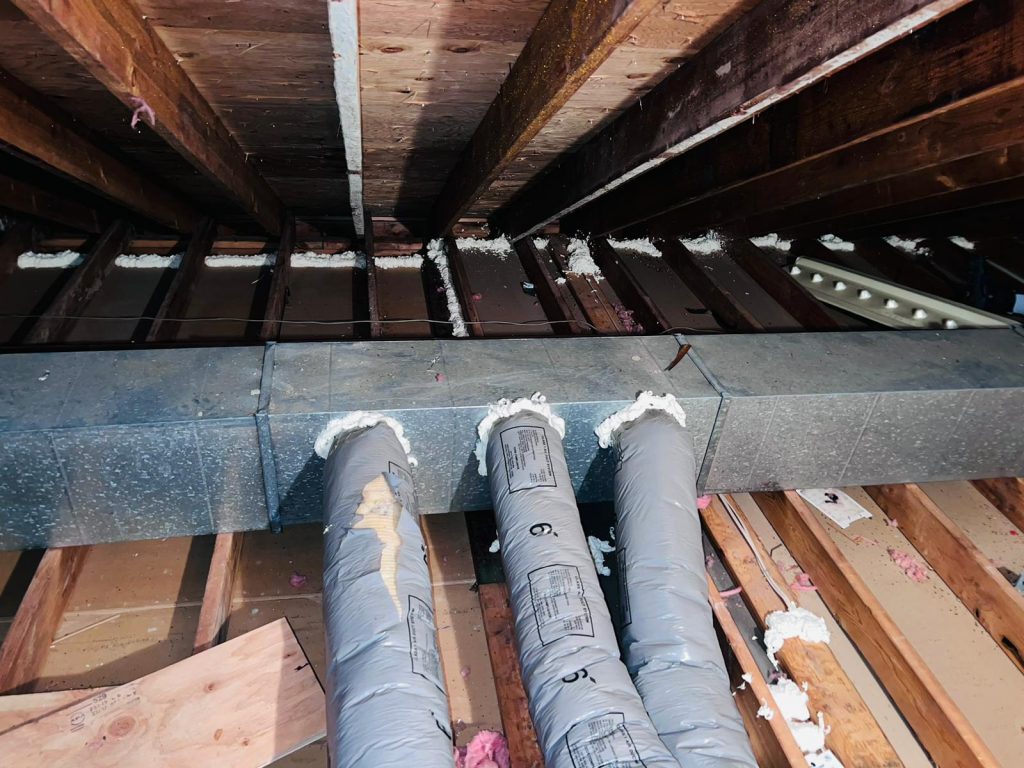
Duct penetrations
Wall top plates
These small openings add up quickly—especially in older homes.
Signs Your Home May Need Air Sealing
If any of these sound familiar, air leakage is likely part of the problem:
Drafty rooms
Cold floors in winter
Uneven temperatures between floors
The furnace or boiler running nonstop
High winter heating bills
Ice dams forming along the roof
Excess dust buildup
Many homeowners assume these are “just normal winter issues.”
They’re not—and they’re fixable.
How Air Sealing Fits Into Weatherization
Weatherization isn’t one single upgrade. It’s a whole-home approach.
A proper weatherization plan includes:
That’s why air sealing plays such a big role in NYSERDA-supported energy upgrades. When leaks are sealed, everything else—from insulation to heating systems—works better.
👉 If you haven’t already, read our guide on What Is Weatherization? to see how these upgrades work together.
How Air Sealing Is Done (What to Expect)
Professional air sealing isn’t guesswork. It follows a clear process:
Home energy assessment
Blower door testing to measure air leakage
Thermal imaging to spot hidden problem areas
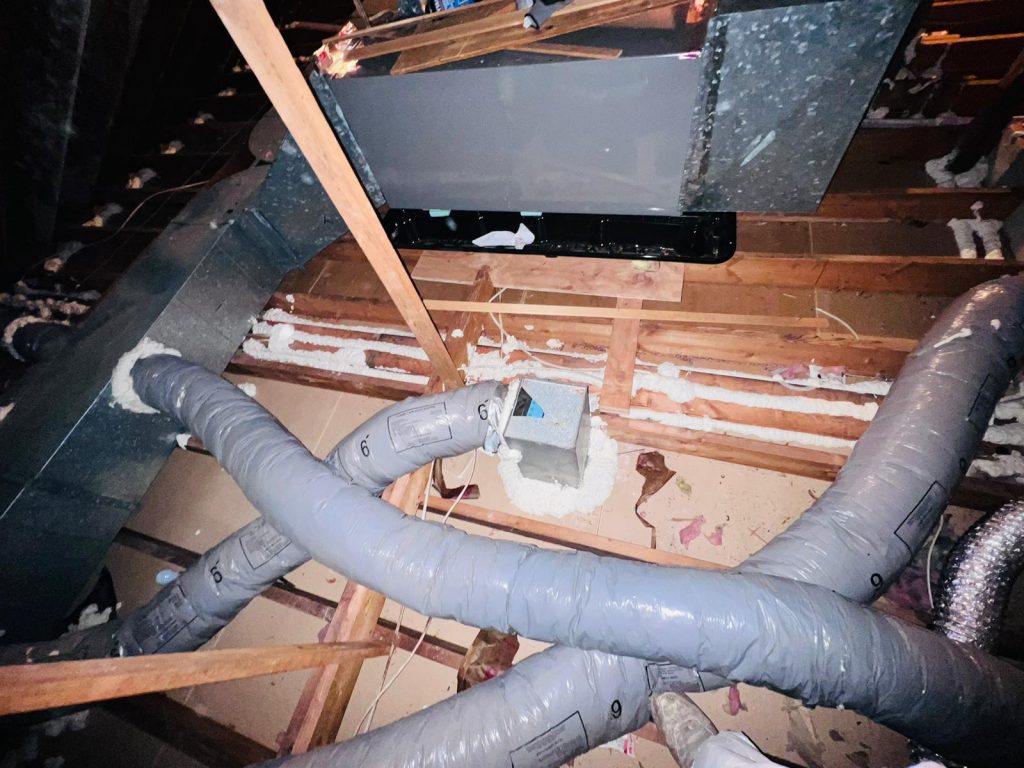
Targeted sealing using foam, caulk, gaskets, and weatherstripping
Final testing to confirm improvements
This approach ensures leaks are addressed properly—without sealing the home too tightly.
Air Sealing + Insulation = Maximum Comfort and Savings
Once air leaks are sealed:
Insulation performs as designed
Rooms warm up faster
Heating systems cycle less
Indoor comfort becomes more consistent
Indoor air quality improves
Energy bills drop
That’s why we often recommend pairing air sealing with:
Attic insulation
Spray foam insulation
Cellulose insulation
The combination delivers the best long-term results.
Does Air Sealing Qualify for Rebates in New York?
In many cases, yes.
Through NYSERDA, air sealing is often included as part of approved weatherization upgrades—especially when combined with insulation improvements.
We help eligible New York homeowners:
Understand available incentives
Maximize rebate eligibility
Handle the paperwork
(Incentives apply to NY homeowners only.)
Is Air Sealing Worth It in Older NY & NJ Homes?
Absolutely.
Older homes in areas like:
often have:
Settled or missing insulation
Unsealed wall cavities
Open chases between floors
Air sealing addresses these issues directly—without major renovations.
When Is the Best Time to Air Seal a Home?
Any time of year—but winter makes leaks easier to detect.
Sealing now:
Improves winter comfort
Reduces heating costs
Prepares your home for summer cooling efficiency
It’s one upgrade that pays off year-round.
No. Proper air sealing improves control, not ventilation problems. Homes still breathe—just more efficiently.
Not at all. Most work is done in attics, basements, and utility areas.
When done professionally, air sealing improvements last for decades.
Yes. Insulation works best when air movement is controlled.
Savings vary, but many homeowners see noticeable reductions—especially when combined with insulation upgrades.
Let’s Make Your Home Comfortable Again
If your home still feels drafty or your heating bills keep climbing, air sealing could be the missing piece.
At Metro NY Insulation, we’ve been helping homeowners stay comfortable and energy-efficient since 2005. We’re:
Woman-owned
Family-run
BPI Accredited
A NYSERDA participant
We serve homeowners across:
New Jersey: Bergen, Essex, Passaic, Hudson Counties
New York: Westchester, Rockland, Dutchess, Orange, Ulster, Sullivan Counties
👉 Schedule a home energy assessment today and find out where your home is losing comfort—and money.
We’d be happy to help.