
Why Pipes Freeze Even When the Heat Is On
BPI Accredited • NYSERDA Contractor • Family-Owned Since 2005 – Serving New Jersey & Westchester County
Why Do Pipes Freeze?
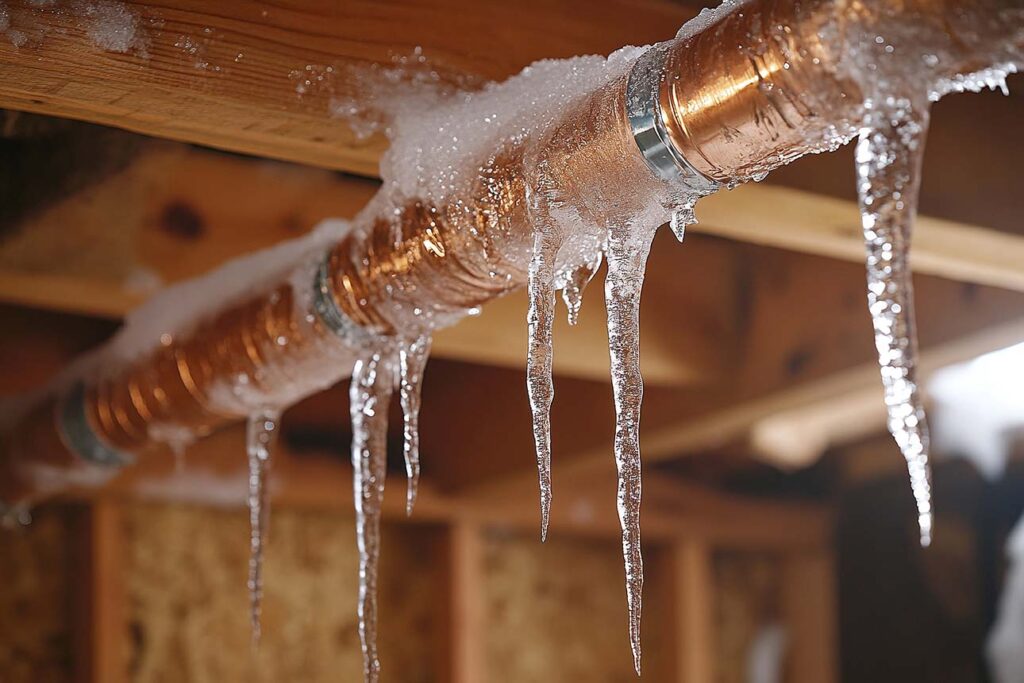
Frozen pipes often occur when water lines run through cold exterior walls, basements, or uninsulated cavities.
If those wall spaces drop below freezing during a cold snap, the pipes inside can freeze, even if the rest of your home feels warm.
Proper wall insulation helps stabilize those hidden temperatures and reduce the risk.
When the Heat Is On, But Pipes Still Freeze
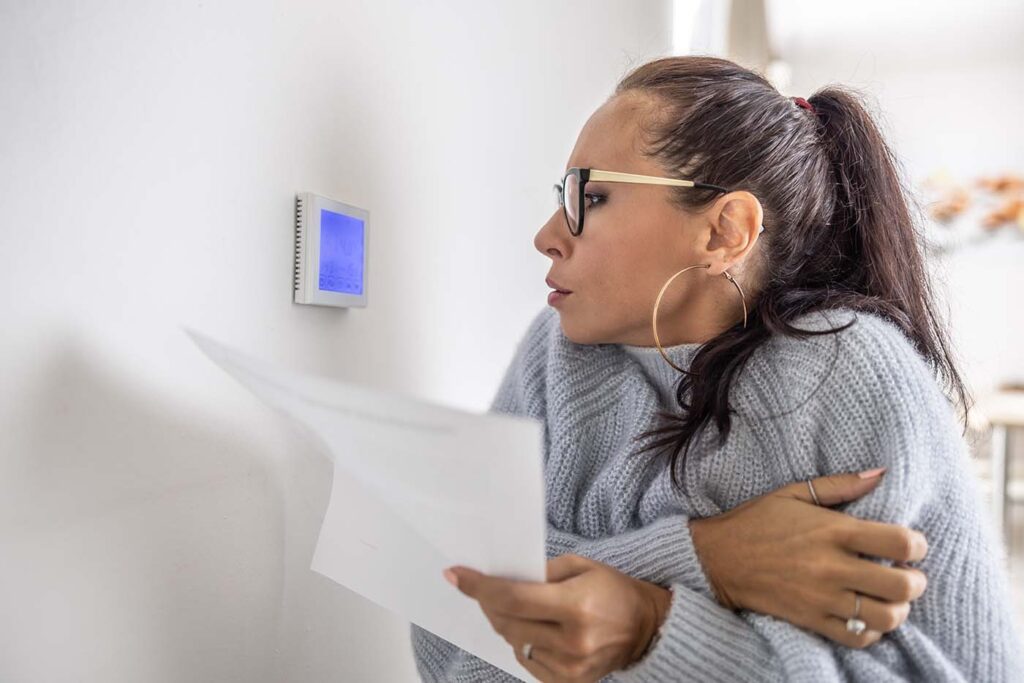
Many homeowners are surprised when a pipe freezes even though the heat has been running all night.
The thermostat is set where it should be, the house feels comfortable, and yet a pipe inside the wall still freezes or bursts. It feels confusing and frustrating, especially when you have done everything you thought was necessary to protect your home.
In many Westchester homes, particularly older homes, this situation is more common than most people realize. The issue is often not the plumbing itself, but the insulation surrounding it.
Why Frozen Pipes Are Often an Insulation Problem
Frozen pipes are rarely caused by a plumbing defect alone. In many cases, the underlying issue is heat loss inside exterior walls or other exposed areas.
We frequently see frozen pipes in homes with:
Poorly insulated exterior walls
Older framing with empty or settled wall cavities
Finished basements that conceal cold wall sections
Cantilevered floors or overhangs
Air leaks around rim joists and pipe penetrations
The temperature you feel inside a room does not always reflect the temperature inside the wall cavity. If cold air enters those hidden spaces and the insulation is insufficient, the temperature inside the wall can fall below freezing even while the room itself feels warm.
Why Turning the Heat Up Is Not Enough
When pipes freeze, many homeowners respond by raising the thermostat. While this may help in some cases, it does not always address the real issue.
Heat does not always move evenly into wall cavities. Cold air can enter through small gaps and air leaks, and wind-driven cold can push freezing air deeper into under-insulated spaces. If the wall itself cannot maintain a stable temperature, pipes inside that wall remain vulnerable.
Protecting pipes requires stabilizing the environment around them, not simply increasing the temperature in the living space.
Temporary Fixes vs. Long-Term Protection
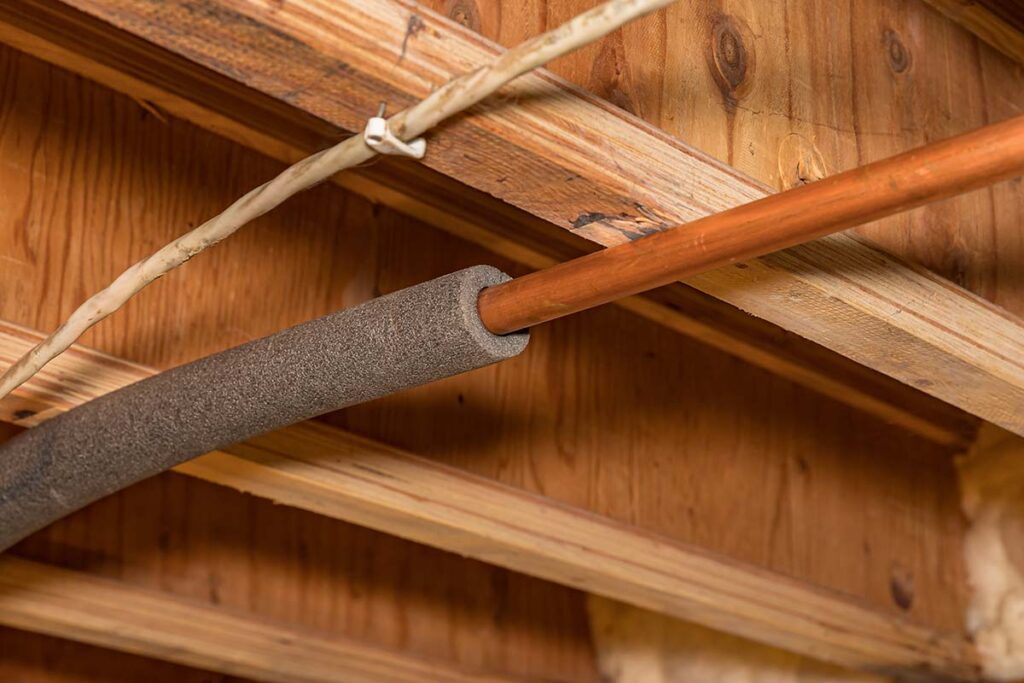
There are several common temporary measures people use during cold weather, including letting faucets drip, opening cabinet doors, wrapping pipes with foam sleeves, or using space heaters near vulnerable areas.
These methods can provide short-term protection, but they do not address cold air infiltration or insufficient insulation inside the wall cavity. If pipes freeze repeatedly, it is often a sign that the surrounding structure is not properly insulated.
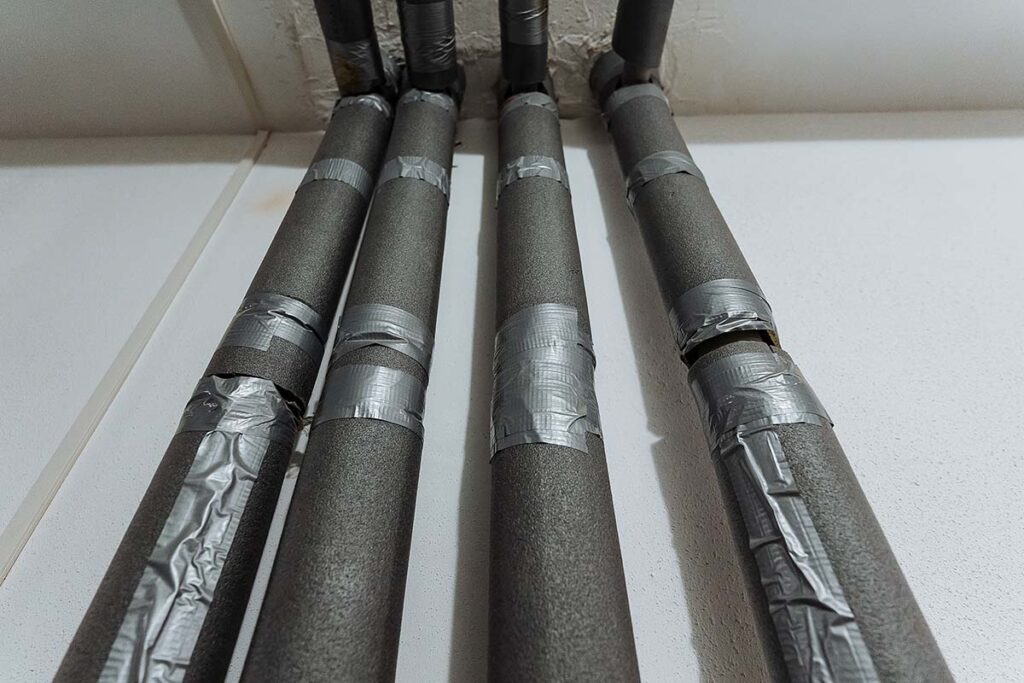
Wall insulation works differently. It helps keep the entire cavity warmer, reduces air movement, and protects not only the pipe but the structure around it.
The Most Effective Wall Insulation Options
Every home is built differently, and the right solution depends on construction type and pipe location.
Spray foam is often one of the most effective solutions for preventing frozen pipes because it both insulates and seals air leaks. By closing gaps where cold air enters, spray foam helps maintain more consistent temperatures inside exterior walls and rim joists.
Cellulose insulation can also help stabilize wall temperatures and reduce overall heat loss. In some homes, it provides meaningful improvement. In higher-risk areas or during extreme cold, spray foam may offer stronger protection.
We do not recommend a single solution for every home. We inspect first, explain what we see, and recommend what truly makes sense for your specific situation.
Is Wall Insulation Worth It to Prevent Frozen Pipes?
In many cases, improving wall insulation is far less costly than repairing a burst pipe and the water damage that follows.
In many cases, improving wall insulation is far less costly than repairing a burst pipe and the water damage that follows.
Frozen pipes can lead to damaged drywall, flooring, insulation, and even mold concerns if moisture remains trapped. Beyond preventing damage, proper wall insulation also improves comfort throughout the home and can help reduce heating costs.
Addressing insulation gaps is not just about solving one winter issue. It is about strengthening your home’s ability to handle cold weather year after year.Frozen pipes can lead to damaged drywall, flooring, insulation, and even mold concerns if moisture remains trapped. Beyond preventing damage, proper wall insulation also improves comfort throughout the home and can help reduce heating costs.
Addressing insulation gaps is not just about solving one winter issue. It is about strengthening your home’s ability to handle cold weather year after year.
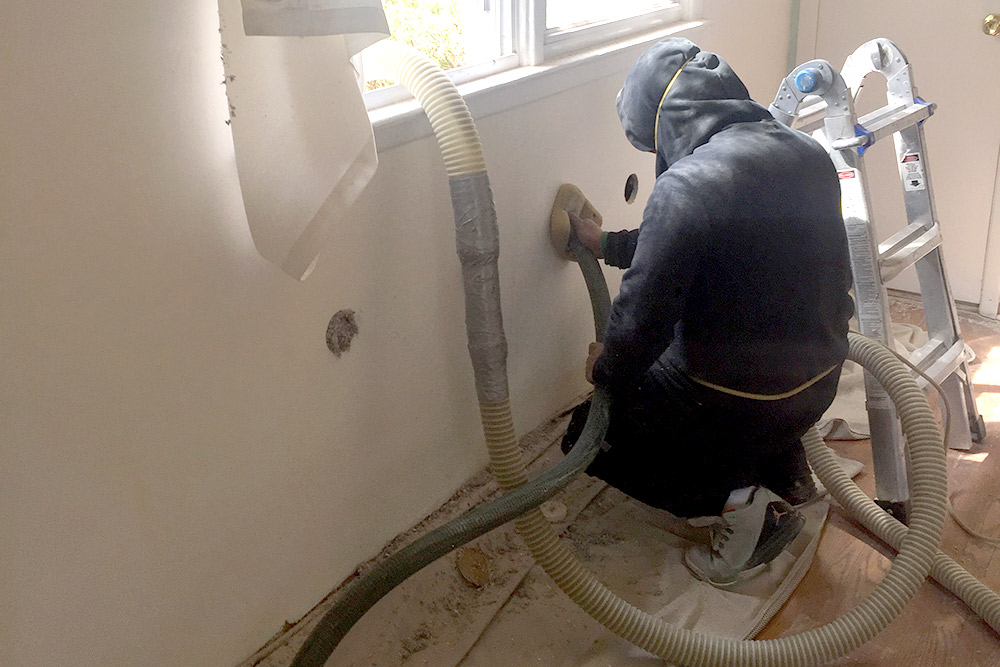
Why Older Homes Are Especially Vulnerable
Westchester has a large number of beautiful older homes that were built before modern insulation standards were established. Many of these homes were never designed to handle today’s extended cold spells and fluctuating winter temperatures.
Since 2005, we have been insulating homes throughout Westchester County and Northern New Jersey. Our experience in this region allows us to recognize the hidden problem areas that often contribute to frozen pipes.

How We Help Prevent Frozen Pipes
We begin with an assessment, not a sales pitch.
Professional Assessment
Spray foam is often one of the most effective solutions for preventing frozen pipes because it both insulates and seals air leaks. By closing gaps where cold air enters, spray foam helps maintain more consistent temperatures inside exterior walls and rim joists.
BPI Accredited Team
Metro NY Insulation is a woman-owned, family-run company. We are not a multi-unit franchise. We are BPI Accredited and a NYSERDA participant, and we help homeowners understand available programs and incentives where applicable.
Our goal is to help you feel confident in your home during the winter, not anxious about what might happen when temperatures drop.
Schedule Your Wall Insulation Assessment
If you have experienced frozen pipes before, or if you want to reduce the risk before the next cold snap, now is the time to take a closer look at your exterior walls.
We proudly serve homeowners in:
Westchester County, NY
Bergen, Essex, Passaic, and Hudson Counties, NJ
Call 845-445-8255 to schedule your insulation assessment and learn how proper wall insulation can help protect your home this winter. Our top-rated team is ready to help.
Expert Insulation Services In New Jersey & Westchester Since 2005
Frequently Asked Questions
Wall insulation can significantly reduce the risk of frozen pipes, especially when water lines run through exterior walls.
By helping stabilize the temperature inside wall cavities and reducing cold air infiltration, proper insulation makes it much less likely that pipes will drop below freezing during cold weather.
Pipes often freeze inside exterior walls because those hidden spaces can become much colder than the rooms themselves.
If insulation is missing, settled, or poorly installed, cold air can enter the wall cavity and expose the pipe to freezing temperatures even when the home feels warm.
Pipe insulation sleeves can help slow heat loss, but they do not seal air leaks or warm the surrounding wall cavity.
In many cases, improving the insulation in the wall itself is a more effective long-term solution than relying on pipe wraps alone.
Spray foam insulation is often very effective because it both insulates and seals air leaks around pipes and framing.
Cellulose insulation can also help stabilize wall temperatures in certain homes. The best option depends on how your home is built and where the pipes are located.
Yes. Many older homes in Westchester were built before modern insulation standards were in place. Exterior walls may have little or no insulation, which increases the likelihood of frozen pipes during extended cold spells.
Both can be effective. Spray foam is often used for air sealing, while cellulose provides excellent thermal coverage. The best option depends on your attic layout.
If pipes freeze repeatedly, especially along exterior walls, and you notice drafts or uneven temperatures in certain rooms, insulation may be contributing to the issue.
An insulation assessment can help determine whether wall cavities are properly protected.
In many cases, yes. If a pipe has already frozen or burst, it may indicate that the surrounding wall is not properly insulated. Addressing insulation gaps can help reduce the risk of future incidents and improve overall comfort and energy efficiency.
Yes. We begin with an assessment to identify where pipes run, where cold air may be entering, and how the existing insulation is performing. We explain our findings clearly and recommend a solution that makes sense for your home.
Proper wall insulation not only helps protect pipes, but also reduces heat loss throughout the home. Many homeowners notice improved comfort and lower heating costs after addressing insulation gaps.