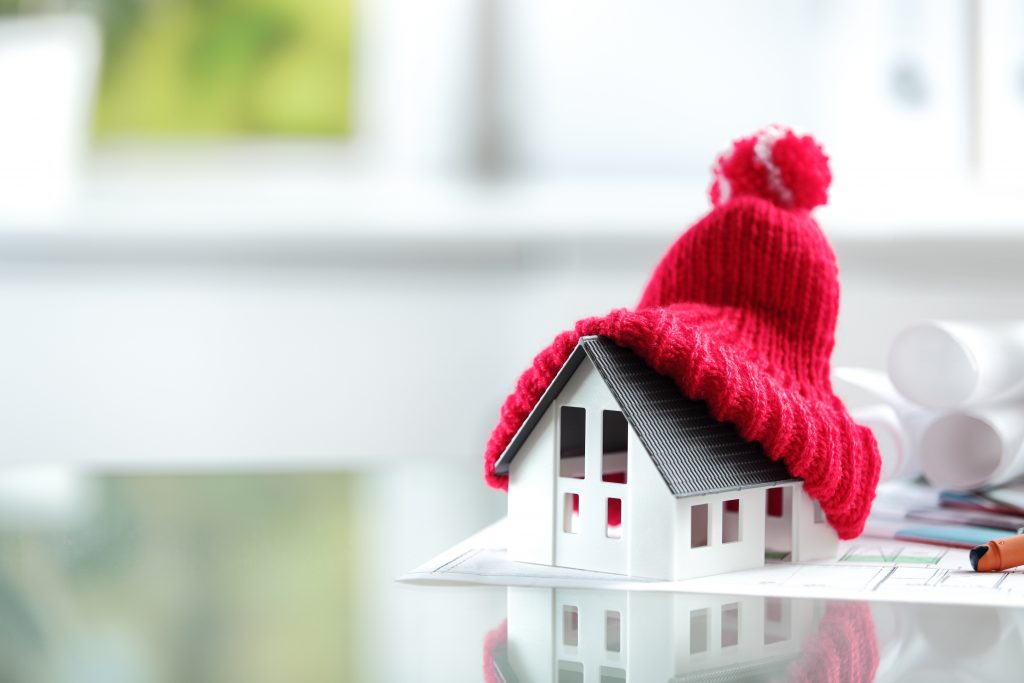

Uneven room temperatures are usually caused by heat loss, not the heating system itself.
Warm air escapes through poorly insulated or leaky areas of the home, especially the attic, making some rooms colder than others. Addressing insulation gaps and air leaks helps balance temperatures and improve comfort.
You’re not imagining it.
One room feels comfortable, while another feels freezing. Bedrooms are cold at night. Floors feel chilly. Some rooms never seem to warm up no matter how high you turn the thermostat.
We hear this all the time from homeowners across New Jersey and New York, especially during the winter months. The heat is running. The system seems fine. And yet, comfort feels uneven and frustrating.
The truth is, uneven room temperatures are rarely a heating system problem. In most cases, they’re a heat loss problem, and once you understand why it’s happening, it becomes much easier to fix.
Why Uneven Room Temperatures Happen in the First Place
Heat doesn’t stay where you want it to. It moves.
Warm air naturally rises. Cold air sinks. And your home will lose heat wherever it has weak spots, gaps, or insufficient insulation. When that heat escapes faster in some areas than others, you end up with hot and cold rooms throughout the house.
This is especially common in older homes, but we see it in newer construction too, particularly when insulation and air sealing weren’t done correctly from the start.
The Most Common Causes of Uneven Room Temperatures
Attic Heat Loss
Your attic is one of the biggest sources of heat loss in your home.
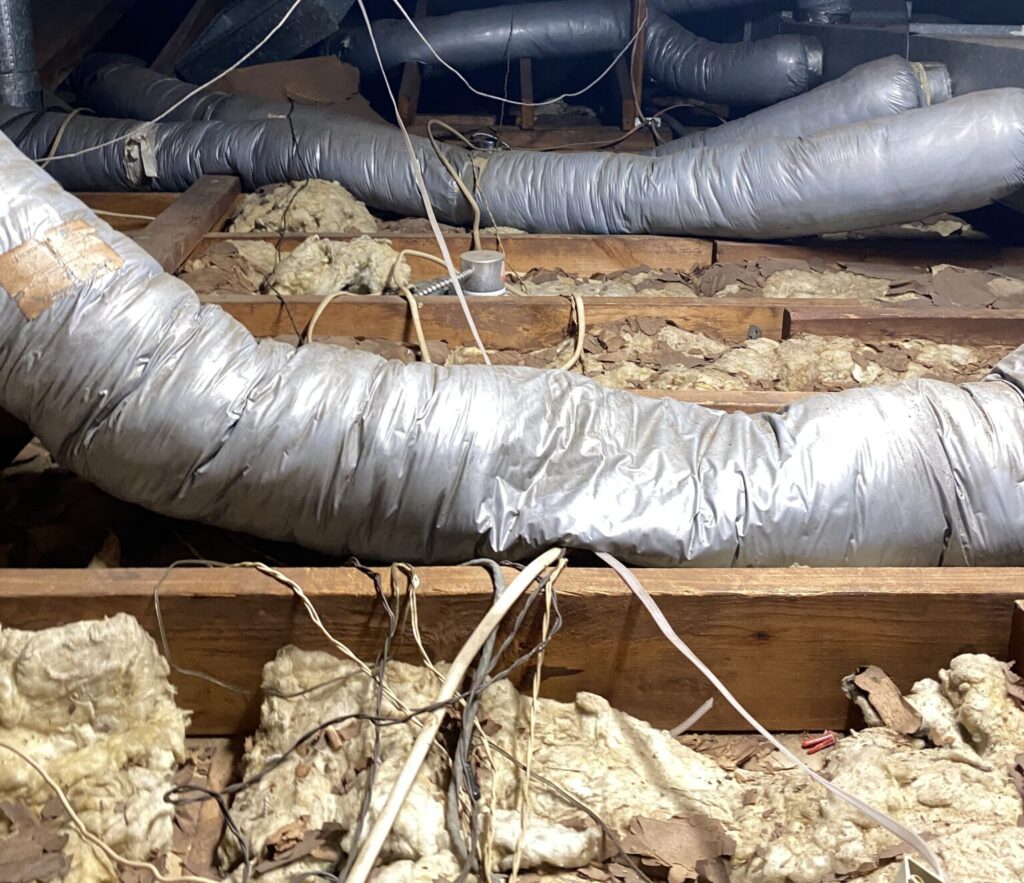
When insulation is missing, thin, outdated, or unevenly installed, warm air escapes upward instead of staying inside your living space. Rooms below an under-insulated attic often feel colder, especially upstairs bedrooms.
This is why attic insulation is often the first place we look when homeowners complain about uneven temperatures.
Air Leaks and Drafts
Even small gaps can make a big difference.
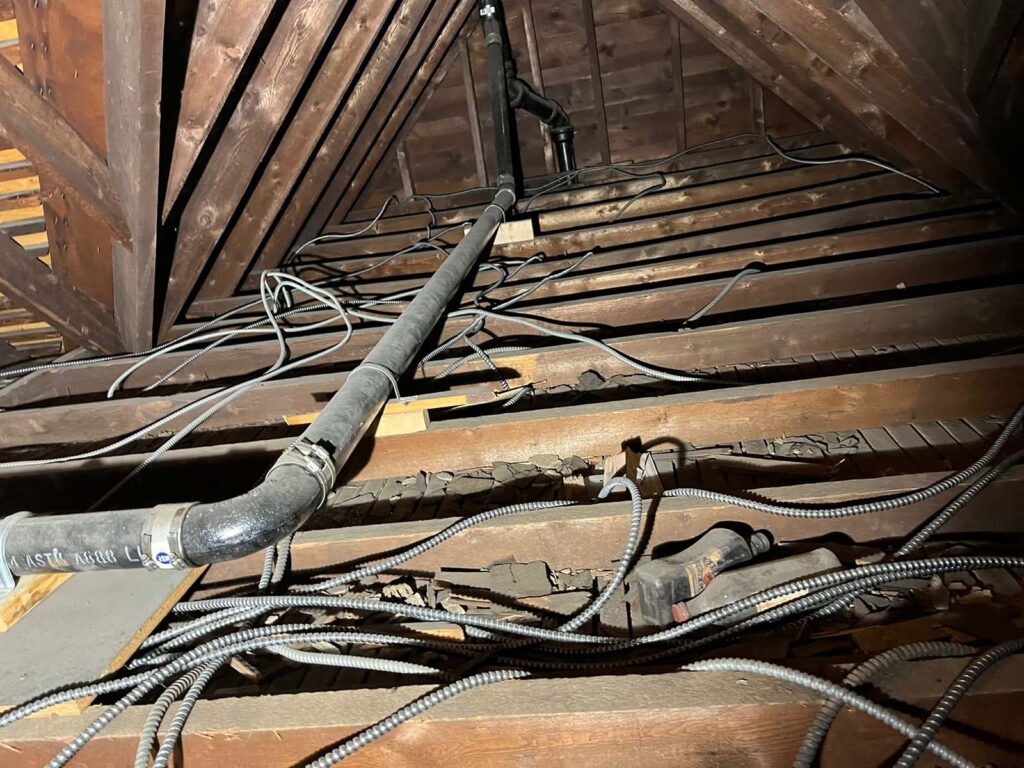
Air leaks around attic penetrations, wall openings, plumbing chases, recessed lights, and framing gaps allow warm air to escape and cold air to enter. These leaks disrupt temperature balance and make some rooms feel drafty while others stay warm.
Air sealing is a critical step that many homes are missing, even when insulation is present.
Stack Effect, Why Upper Floors Feel Colder
During winter, warm air rises and escapes through the top of the home. As it does, it pulls cold air in from lower levels.
This natural movement of air, known as the stack effect, is a major reason why:
Upstairs bedrooms feel colder
Lower floors feel drafty
The house never seems to balance out
Without proper air sealing and insulation, the stack effect works against you all winter long.
Signs Your Uneven Temperatures Are an Insulation Problem
If any of these sound familiar, insulation and air leakage are likely playing a role:
Certain rooms are always colder than others
Floors feel cold even when the heat is on
You notice drafts with no obvious source
Heating bills keep climbing without added comfort
Bedrooms never feel comfortable at night
These are classic signs that heat is escaping faster than your home can retain it.
Why Turning Up the Heat Doesn’t Fix Uneven Temperatures
It’s a common reaction, turn the thermostat higher and hope the problem goes away.
Unfortunately, this usually leads to higher energy bills without solving the real issue. When heat loss isn’t addressed, you’re essentially paying to heat the outdoors. The system runs longer, but the comfort imbalance remains.
The key isn’t producing more heat. It’s keeping the heat you already have inside your home.
How to Fix Uneven Room Temperatures, The Right Way
Identify Where Heat Is Escaping
The first step is understanding what’s actually happening inside your home.
This often includes:
Inspecting attic insulation levels
Checking for visible air leaks
Evaluating how heat moves between floors
Looking for problem areas that aren’t visible from living spaces
A proper assessment focuses on the building itself, not just the heating equipment.
Contact Our Insulation Experts
Seal Air Leaks First
Air sealing is often the missing piece.
By sealing gaps and penetrations, you prevent warm air from escaping and stop cold air from being pulled in. This stabilizes indoor temperatures and allows insulation to perform the way it’s supposed to.
Air sealing is most effective when done before adding or upgrading insulation.
Upgrade Insulation Strategically
Once air leaks are addressed, insulation upgrades become far more effective.
In most homes, the priority areas are:
Attics
Rim joists
Crawl spaces
Select wall cavities when accessible
The goal isn’t to add insulation everywhere blindly, it’s to improve performance where it matters most.
Why a Whole-Home Assessment Matters
Every home is different.
Two houses on the same street can have completely different comfort issues depending on construction, age, insulation quality, and air leakage. That’s why a one-size-fits-all approach rarely works.
At Metro NY Insulation, we focus on understanding why your home feels uncomfortable before recommending solutions. As a family-run, woman-owned company serving New Jersey and New York since 2005, we’ve seen firsthand how small improvements can make a big difference when they’re done correctly.
You Don’t Have to Live With Uneven Temperatures
Uneven room temperatures are frustrating, but they’re also fixable.
Once heat loss is properly addressed, homes feel more comfortable, energy bills stabilize, and rooms finally warm up the way they should. If your house never seems to feel balanced, it may be time to look beyond the thermostat and address the real cause.
We’re here to help you understand what’s happening and guide you toward the right solution for your home.
Contact us at (845) 445-8255 to schedule an assessment at your home or business. Our top-rated team is ready to help correct uneven room temperatures, and improve your efficiency.
Frequently Asked Questions
Uneven insulation, air leaks, and natural airflow patterns are usually the cause. Heat escapes faster in some areas than others.
Yes. When paired with proper air sealing, insulation upgrades can dramatically improve comfort and temperature balance.
Very common, but we also see it in newer homes where insulation or air sealing was rushed or incomplete.
It can contribute, but in many cases the root problem is heat loss through the building envelope, not the heating system itself.
Cold upstairs rooms, high heating bills, and visible insulation gaps are common signs. An assessment can confirm what’s happening.