Why Pipes Freeze Inside Homes
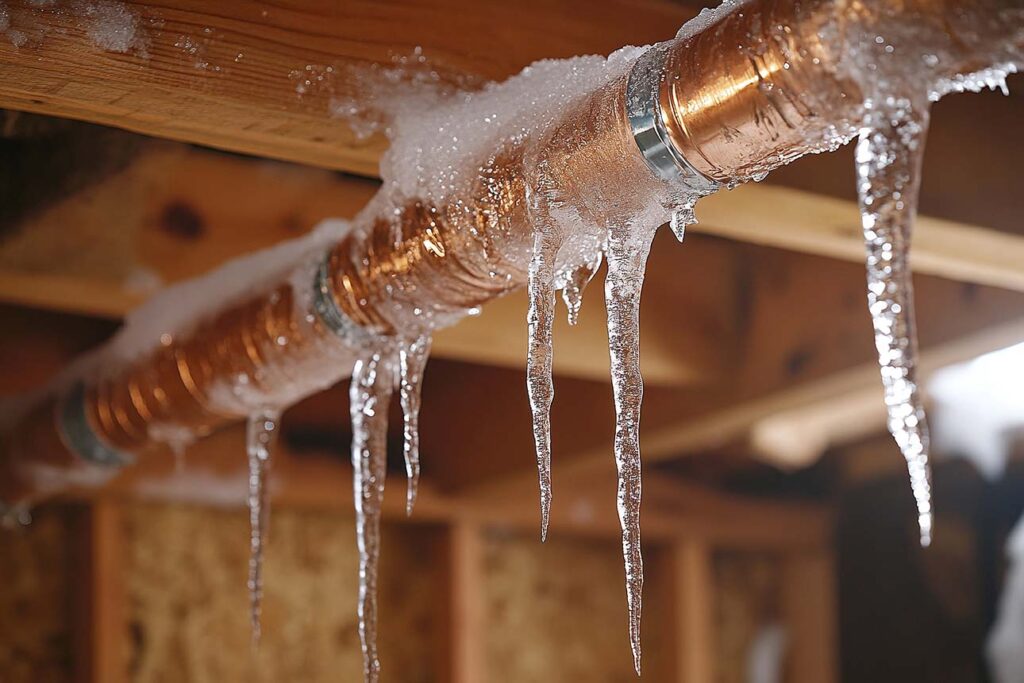
Pipes often freeze even when the heat is on because they run through cold exterior walls, basements, or uninsulated cavities. If those wall spaces drop below freezing, the pipes inside can freeze, even if the rest of your Westchester home feels warm.
You’re Not Imagining It — This Happens All the Time
We hear this every winter.
The thermostat is set to 70 or higher.
The heat is running constantly.
The house feels mostly comfortable.
And then suddenly, a pipe freezes.
It feels confusing. Maybe even frustrating. You did what you were supposed to do. You kept the heat on. So why did it still happen?
In many Westchester homes, especially older homes, this is more common than people realize.
And it’s usually not a plumbing issue.
Where Pipes Actually Freeze
Most frozen pipes don’t freeze in the middle of a warm room.
They freeze inside:
Exterior walls
Garage-adjacent walls
Basement ceilings
Rim joists
Cantilevered floors
Uninsulated wall cavities
Here’s the part most homeowners don’t see:
The heat you feel in the room doesn’t always reach inside the wall cavity.
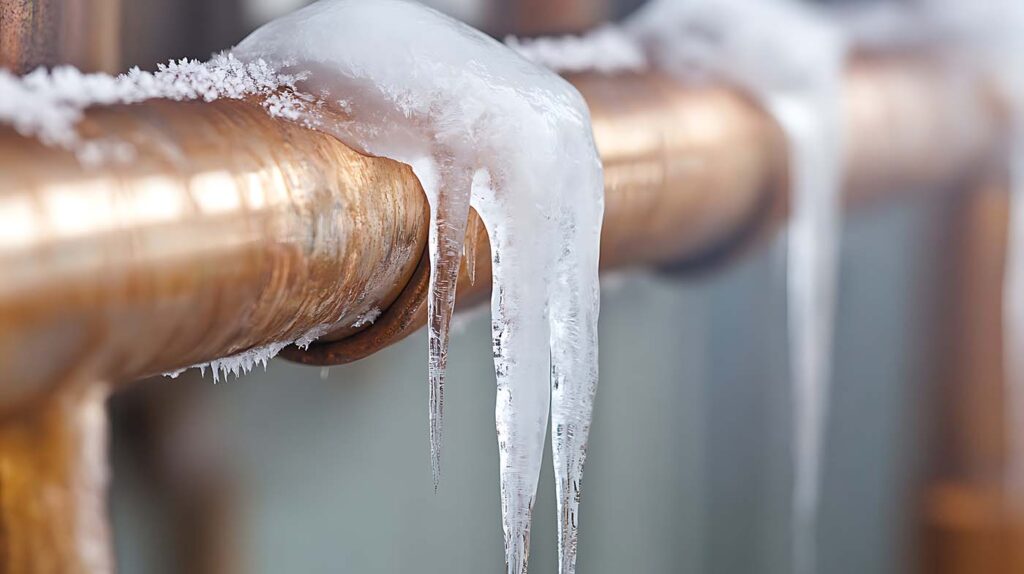
If a water line runs through an exterior wall that isn’t properly insulated, that space can drop below freezing during a Westchester cold snap. Even while your living room feels perfectly warm.
That’s when pipes freeze.
Why Turning the Heat Up Doesn’t Solve the Problem
It’s natural to respond by raising the thermostat. But that often doesn’t fix the issue.
Why?
Because:
Heat rises and doesn’t evenly fill wall cavities
Cold air can leak into walls through small gaps
Wind pushes freezing air into poorly sealed areas
Older insulation may have settled or degraded
So even if your heating system is working hard, certain hidden areas of your home may still be exposed to freezing temperatures.
It’s not about how warm your house feels.
It’s about how warm the wall cavity stays.
Temporary Fixes That Only Buy Time
There are a few things homeowners commonly try:
Letting faucets drip
Opening cabinet doors
Wrapping pipes with foam sleeves
Using space heaters
These methods can help temporarily. They may slow down freezing in mild situations.
But they don’t address the real issue, which is cold air and poor insulation inside the wall.
If pipes are freezing repeatedly, the problem is usually deeper than the pipe itself.
The Real Issue Is Often Inside the Walls
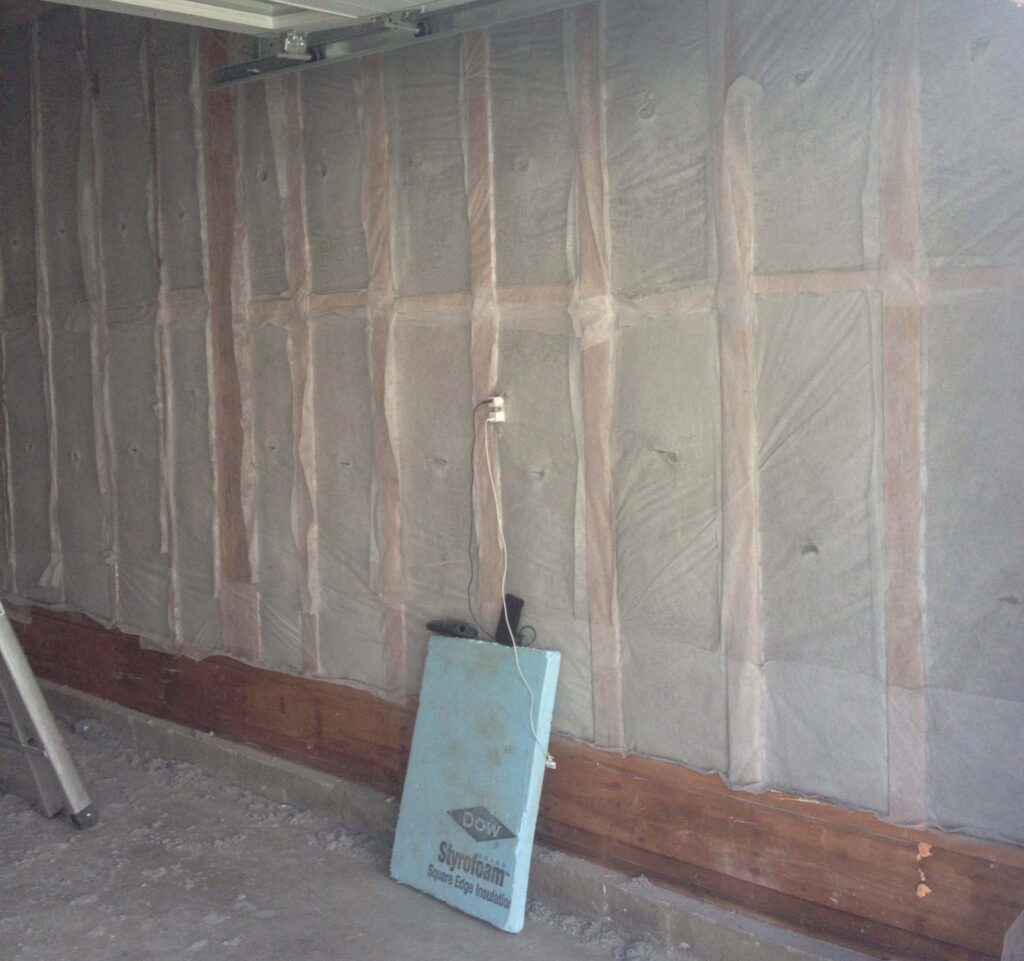
In many cases, frozen pipes are a symptom of insufficient wall insulation.
When exterior walls lack proper insulation, the temperature inside those cavities can fall below freezing during prolonged cold weather.
That’s when pipes inside the wall are exposed to temperatures they were never meant to handle.
Proper wall insulation helps:
Stabilize wall cavity temperatures
Reduce cold air infiltration
Protect plumbing inside exterior walls
Improve overall home comfort
If you’ve experienced frozen pipes before, it may be worth exploring whether your walls are properly insulated.
How to Know If Your Home Is at Risk
You may be at higher risk if:
Your home was built before modern insulation standards
Pipes run along exterior walls
You’ve had frozen pipes before
Rooms feel drafty or uneven in temperature
Heating bills keep climbing every winter
Westchester has many beautiful older homes, but they weren’t all built with today’s insulation expectations.
Since 2005, we’ve helped homeowners throughout Westchester and Northern New Jersey identify hidden insulation gaps that contribute to comfort issues and frozen pipe risks.
What We Do Differently
We don’t guess.
We inspect.
We look at:
Where your pipes run
Where cold air may be entering
How your wall cavities are insulated
Whether spray foam or cellulose makes sense
We’re a woman-owned, family-run company. Not a franchise.
We’re BPI Accredited and a NYSERDA participant.
And we walk you through the process clearly and honestly.
Sometimes insulation is the right fix.
Sometimes there’s another contributing factor.
Our goal is to help you understand what’s happening in your home, so you can make the right decision.
Contact Our Insulation Experts
Stop Worrying Every Time Temperatures Drop
If you’ve dealt with frozen pipes before, you know how stressful it feels.
You shouldn’t have to wonder every time the forecast dips below freezing.
If you’re concerned about pipes running through exterior walls, we can take a look and help you understand what’s going on behind them.
Our top-rated team serves homeowners throughout:
Westchester County, NY
Bergen, Essex, Passaic, and Hudson Counties, NJ
Call 845-445-8255 or schedule your insulation assessment today.
Let’s help you protect your home before the next cold snap.
Pipes can freeze even when your thermostat is set to 70 degrees if they run through cold exterior walls or uninsulated spaces. The room may feel warm, but the wall cavity where the pipe is located can still drop below freezing during extreme Westchester cold weather.
Yes. Poor or missing wall insulation is one of the most common causes of frozen pipes in older homes. Without proper insulation, cold air can enter exterior wall cavities and expose water lines to freezing temperatures.
Turning the heat up may help temporarily, but it does not always prevent frozen pipes. If the pipe is located in an exterior wall with air leaks or insufficient insulation, the temperature inside that wall can still fall below freezing.
Pipe insulation sleeves can slow down heat loss, but they do not seal air leaks or warm the wall cavity. In many cases, improving wall insulation is a more effective long-term solution.
Yes. Many Westchester homes were built before modern insulation standards. Exterior walls, basements, and rim joists may not be properly insulated, increasing the risk of frozen pipes during winter cold snaps.
If pipes freeze repeatedly, especially along exterior walls, and you notice drafts or uneven room temperatures, poor insulation may be contributing to the issue. An insulation assessment can help identify whether cold wall cavities are the root cause.
Spray foam insulation is often highly effective because it seals air leaks and provides strong thermal protection. Cellulose insulation may also help stabilize wall temperatures, depending on the home’s construction.