
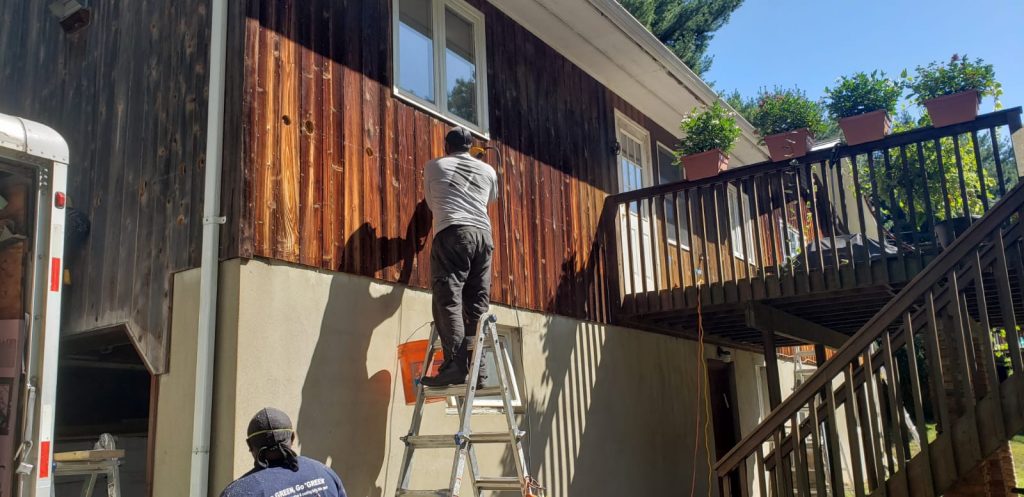
Let’s explain how wall insulation is installed without opening walls. Cellulose insulation can be added to existing homes by drilling small access holes and filling the wall cavity with insulation. This process allows homeowners to improve comfort and energy efficiency without removing drywall or opening walls. Most installations are completed from the exterior with minimal disruption to the home.
If your home feels cold no matter how much you turn up the heat… you’re not alone.
Many homeowners assume fixing this problem means tearing open walls, dealing with dust, and living through a renovation.
We understand how stressful that can feel.
The reality is, most homes can be insulated without opening walls at all.
And once you understand how the process works, it becomes a lot less overwhelming.
What Homeowners Usually Expect (And Why It Stops Them)
When people first hear “wall insulation,” they often picture:
drywall being removed
rooms turned into construction zones
furniture being moved out
days of disruption
That assumption alone stops many homeowners from moving forward.
But in most cases, none of that is necessary.
What Actually Happens During Wall Insulation
Instead of opening your walls, the process is designed to work inside the wall cavity with minimal disruption.
Here’s what the process looks like from a homeowner’s perspective.
Step 1: Small Access Points Are Created
We create small, controlled access points into the wall.
These are typically made:
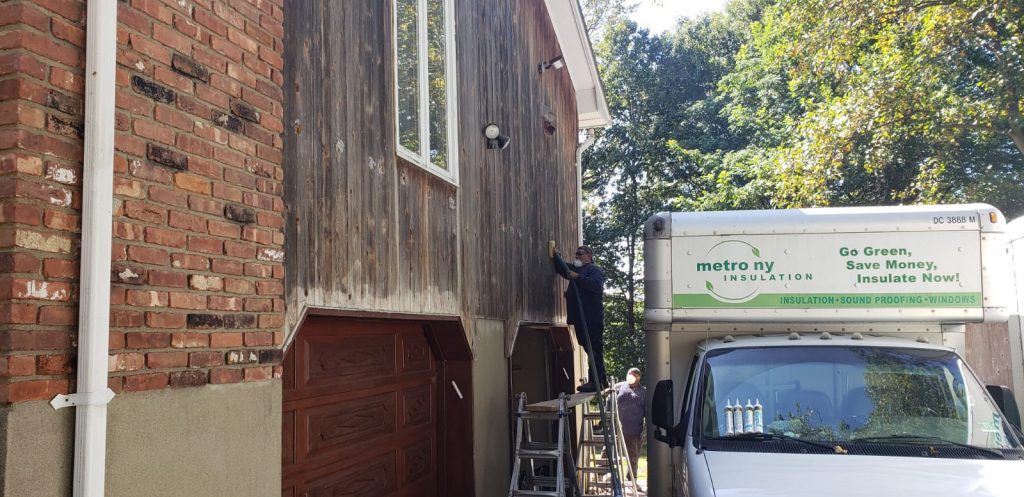
from the outside of the home
or in discreet interior locations if needed
The openings are small and precise — not large demolition cuts.

Step 2: The Wall Cavity Is Carefully Filled
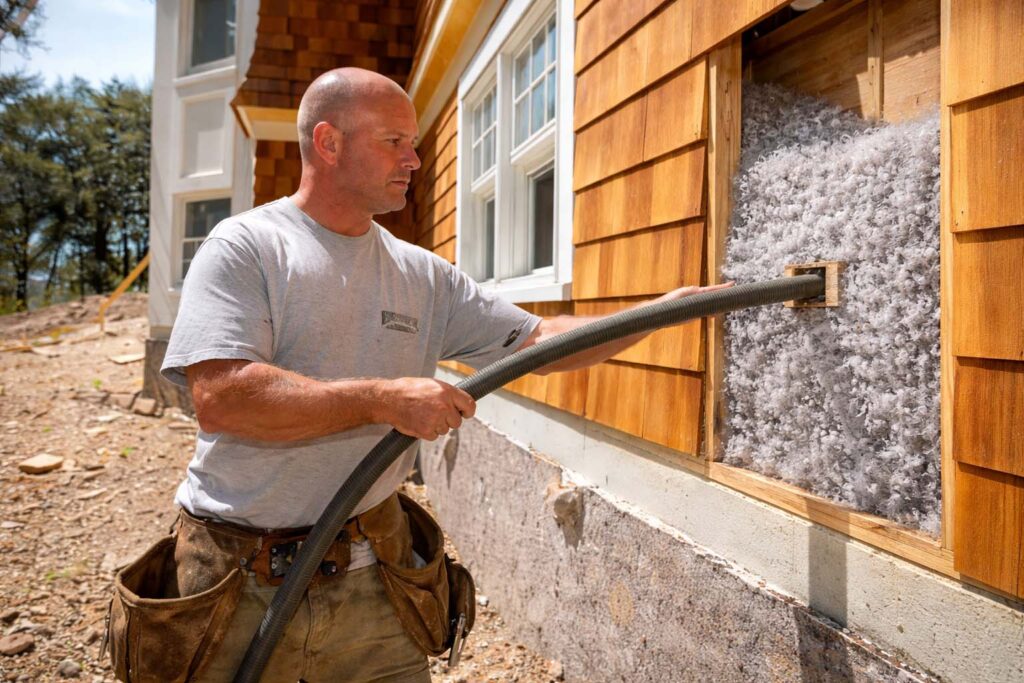
A hose is inserted into the wall cavity.
Insulation is then installed into the empty space inside the wall.
The goal is simple:
👉 Fill the entire cavity evenly from top to bottom
This is done in a controlled way to ensure complete coverage.
Step 3: The Insulation Is Densely Packed Into Place
The material is installed under controlled pressure so it:
fills gaps inside the wall
reduces air movement
creates a consistent thermal barrier
This step is what makes the biggest difference in comfort.
Step 4: The Openings Are Sealed and Restored
Once the wall is fully insulated:
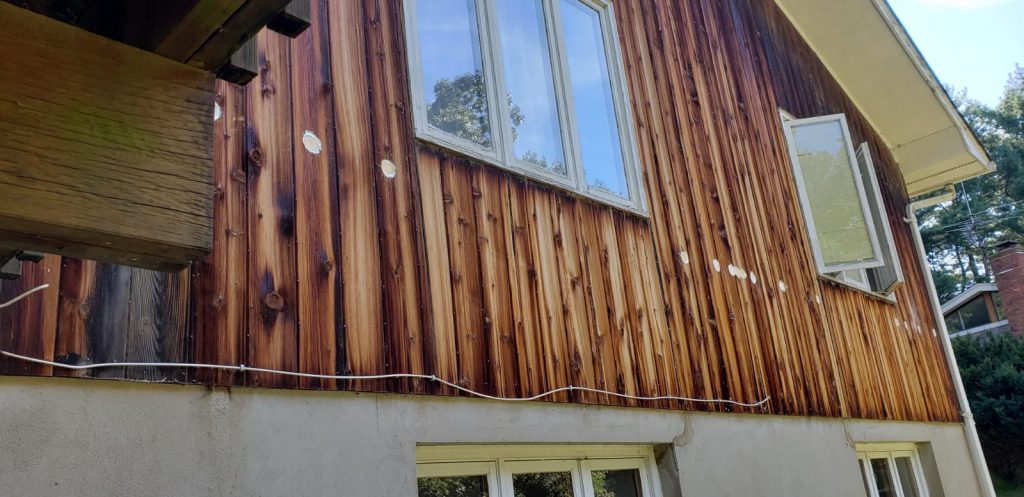
the access holes are sealed
siding or surfaces are restored
the work area is cleaned
In most cases, you would never know the work was done.
Exterior Installation: The Least Disruptive Option
In many homes, wall insulation is installed from the exterior.
This means:
no drywall is removed
no furniture needs to be moved
no disruption inside your home
This method is commonly referred to as an exterior wall insulation installation, and it’s one of the most efficient ways to upgrade older homes.
How Long Does the Process Take?
Most homeowners are surprised by how quick the process is.
Depending on the size of the home:
many projects are completed in a single day
larger homes may take slightly longer
There’s no extended construction timeline or drawn-out disruption.
Will This Make a Mess Inside My Home?
This is one of the most common concerns.
The answer is: In most cases, no.
Because the work is typically done from the exterior:
your interior space remains untouched
there’s no demolition inside the home
cleanup is minimal
Our goal is to improve your home — not disrupt it.
What Changes After the Walls Are Insulated
This is where homeowners really feel the difference.
After installation, many people notice:
rooms feel more even in temperature
less drafty walls
improved comfort in winter and summer
heating and cooling systems run less often
It’s not just about insulation — it’s about how your home feels every day.
Why This Method Works Well for Older Homes
Many homes in New Jersey and Westchester were built before insulation was standard
That means:
empty wall cavities
inconsistent indoor temperatures
ongoing energy loss
This installation method is specifically designed to improve those homes without changing how they’re built.
Contact Our Insulation Experts
Why This Method Works Well for Older Homes
Many homes in New Jersey and Westchester were built before insulation was standard
That means:
empty wall cavities
inconsistent indoor temperatures
ongoing energy loss
This installation method is specifically designed to improve those homes without changing how they’re built.
If your home feels cold in the winter or too hot in the summer, the problem may be inside your walls.
The good news is — fixing it doesn’t require tearing your home apart.
We’ll evaluate your home, show you what’s happening inside your walls, and explain the best way to improve comfort.
Schedule your home insulation assessment today and take the first step toward a more comfortable home. Have questions? Our top-rated team can explain how insulation is installed, call (845) 445-8255 today or request an appointment.
Yes. In most cases, insulation can be added through small access points without removing drywall or opening walls.
No. When installed from the exterior, there is little to no disruption inside the home.
Most homes can be completed in one day, depending on size and layout.
No. Most homeowners remain in the home during the process.
Yes. Many homeowners notice more even temperatures and improved comfort almost immediately after installation.