
Reduce Utility Bills With Insulation
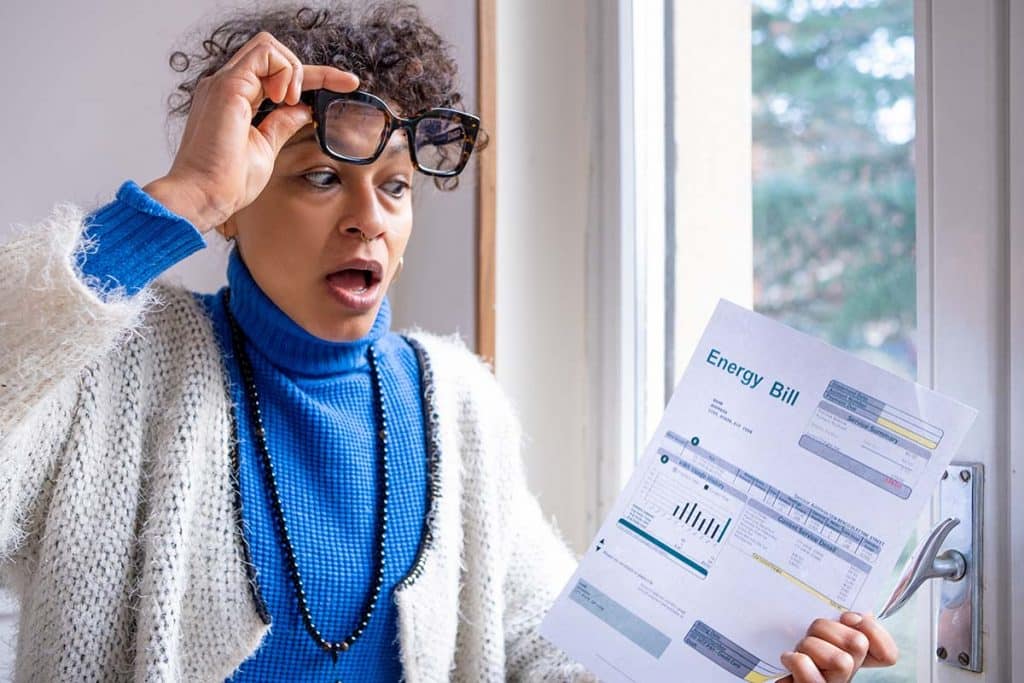
Utility bills can be a significant expense for homeowners, and finding ways to reduce these costs is always a priority. One effective method to lower utility bills is through better insulation. Insulation plays a vital role in keeping your home comfortable and energy-efficient by reducing heat loss in winter and heat gain in summer. This article will explain how you can reduce utility bills with insulation.
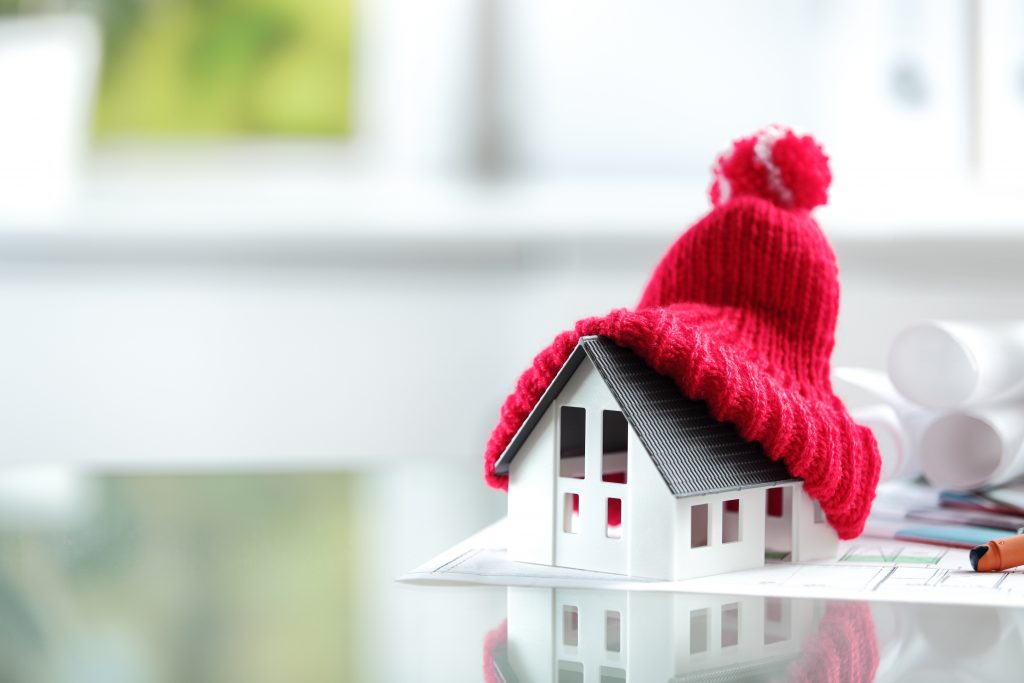
Insulation is a material that reduces the flow of heat between two surfaces. In your home, insulation can be found in the walls, floors, attic, and roof. The primary purpose of insulation is to keep the heat inside during winter and outside during summer, reducing the need for heating and cooling systems. According to the U.S. Department of Energy, a well-insulated home can save up to 30% on heating and cooling costs. It’s possible to improve comfort and reduce utility bills with insulation.
Here are some ways to reduce utility bills with insulation:
- Add insulation to your attic
The attic is often the most significant source of heat loss in a home. Adding insulation to your attic can significantly reduce heat loss and lower your heating bills. The recommended R-value for attic insulation is R-49, which means that you need at least 16 inches of insulation. However, you may need more depending on your location and climate. - Seal air leaks
Air leaks can significantly impact your energy bills by allowing hot or cold air to enter or escape your home. Common air leaks occur around doors, windows, and electrical outlets. Sealing these leaks with weatherstripping, caulk, or foam can significantly reduce your energy bills. - Insulate your walls
Insulating your walls can also reduce heat loss and lower your energy bills. The recommended R-value for wall insulation depends on the type of insulation, but it typically ranges from R-13 to R-21. Insulating your floors can also reduce heat loss and lower your energy bills. If you have a basement or crawlspace, you should insulate the walls and floor. The recommended R-value for floor insulation is R-25. - Upgrade your windows
Older windows are often not energy-efficient, and they can allow hot or cold air to enter or escape your home. Upgrading to energy-efficient windows can significantly reduce your energy bills by reducing heat loss and heat gain. - Insulate your doors
Doors are another common source of air leaks. Adding weatherstripping to your doors can help reduce air leaks and lower your energy bills.
In conclusion, better insulation can significantly reduce your utility bills by keeping your home comfortable and energy-efficient. Adding insulation to your attic, sealing air leaks, insulating your walls and floors, upgrading your windows, and insulating your doors are effective ways to improve your insulation and lower your energy bills. By investing in better insulation, you can save money on your utility bills while also reducing your carbon footprint.
Have questions? Our top rated insulation team is available to discuss ways to reduce utility bills with insulation. We provide state of the art home energy audits to locate areas around your home that are energy inefficient. Best of all, we also participate in NYSERDA programs in New York State. Contact Metro NY Insulation today and reduce your utility bills with insulation.
Schedule A Home Assessment With Our Insulation Experts